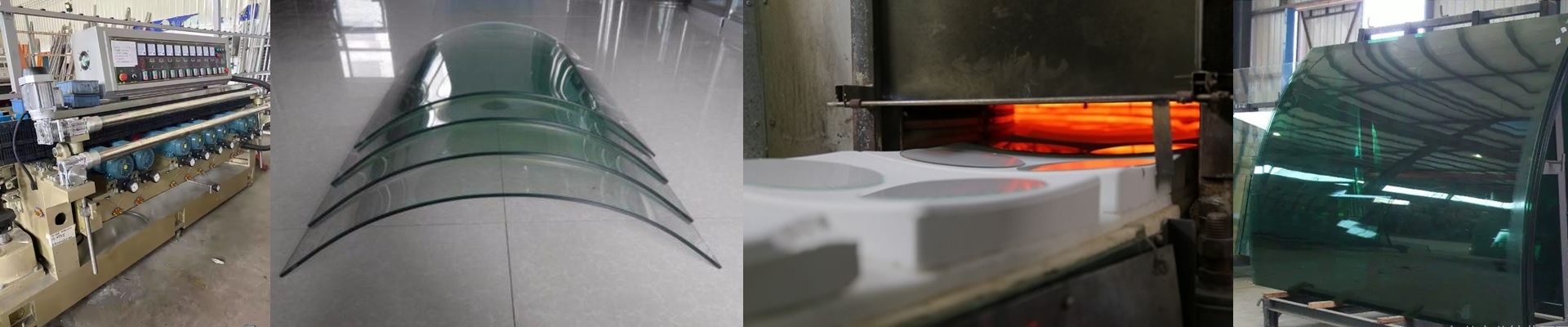
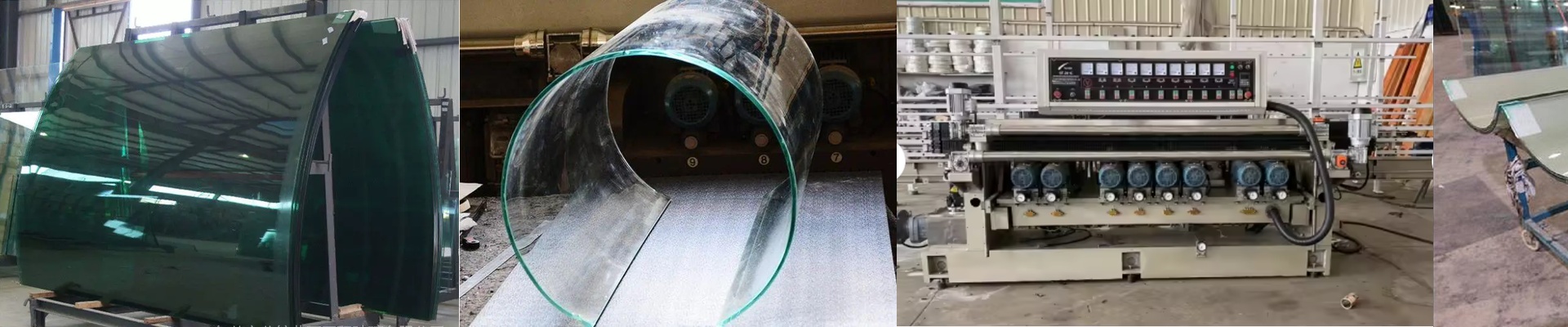


On a tempering line, the oven is where yield gets decided. Let the heating profile drift, and you’ll pay for it with optical distortion, thermal stress cracks, and glass that never makes it off the line. We designed our OEM infrared heating element for glass to keep that profile steady under constant duty, so the line keeps moving and the glass keeps passing.
What matters under the hood
Our NIR quartz element comes up fast—typically 2–3 seconds from ambient—so you’re not stuck waiting after a line stop. Uniformity across the active zone stays within ±3% (blackbody reference), and that matters when the slightest hot spot shows up on glass. Power density is set at 30–60 W/cm²: enough flux to deliver energy quickly without pushing the substrate past its thermal limit. The emitters are rated to 1,200 °C, and the filament layout is tight enough to keep the thermal field predictable across the full heating width.
In tempering and bending, the heating stage has to hit temperature fast, hold it even, and respond cleanly when the setpoint changes. That’s what buys you shorter cycles, fewer rejects from uneven sag or stress, and repeatable optical quality.
For lamination and coating drying, the same controlled radiant heat speeds throughput by cutting dwell time while keeping convection airflow from messing with the process. Energy use comes down because the element heats on demand and holds temperature with minimal overshoot. And as an OEM drop-in module, it fits into existing press and oven setups with standard mounting and termination.
Here’s what to watch on install
Clearance to the glass and reflector alignment matter. If you mis-space anything, uniformity goes sideways and you’ll create thermal gradients. Output tracks emissivity, so keep the reflectors clean. Plan for controlled cooling—rapid quenching will shorten element life.
In typical tempering duty, expect peak life around 5,000–8,000 hours, depending on voltage swings and ambient conditions. Match voltage and connector specs to your control cabinet, or the control loop will spend all day chasing the wrong response.