


The Power Behind the Warmth: How It Works
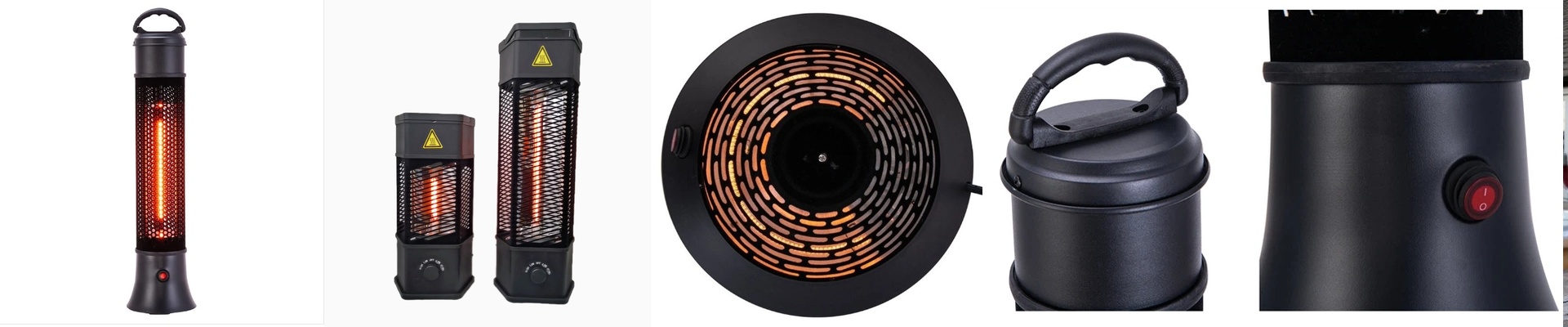
Here’s the thing—we didn’t just throw this foot warmer together. We built it around a specific need: packing a lot of heat into a small space. It runs at 400 volts and 2500 watts, which is a lot of punch in a compact package. That wattage, spread across a 300mm tube, creates a focused hot zone. It gets the job done without pushing the quartz tube past its limits. And that 400V rating? It lines up perfectly with standard industrial power, so the wiring stays simple and you don’t get voltage drop over the run. The 300mm length is intentional, too. It’s the sweet spot for fitting into tight spots where bigger heaters just can’t go.
The Inside Story: What Makes It Tick
At the heart of it is a halogen-filled quartz tube. The halogen chemistry keeps the filament stable, even when things get seriously hot. That means no blackening and steady heat output, shift after shift. Quartz handles the thermal shock like a champ and lets infrared energy through without wasting it. And the connector? It’s an R7s, a bi-pin setup that snaps in fast. No extra adapters needed—it just carries the full load cleanly. We also added a reflective coating on the outside. It pushes the heat forward, so less warmth goes to waste and more of it lands where you need it.
Real-World Use: Heat on Demand
In practice, this setup slides right into foot warmer stations on packaging lines and assembly cells. The shortwave infrared heat kicks in fast—no long waits. Operators get heat when they need it, right away. When it’s time to replace the unit, the R7s connection makes it quick, so downtime stays short. Now, the trade-off is real: 2500 watts of density means you need good airflow and proper thermal management around the fixture. Spec out the right guard and cooling, and you’re set. Then it just delivers reliable warmth, again and again.