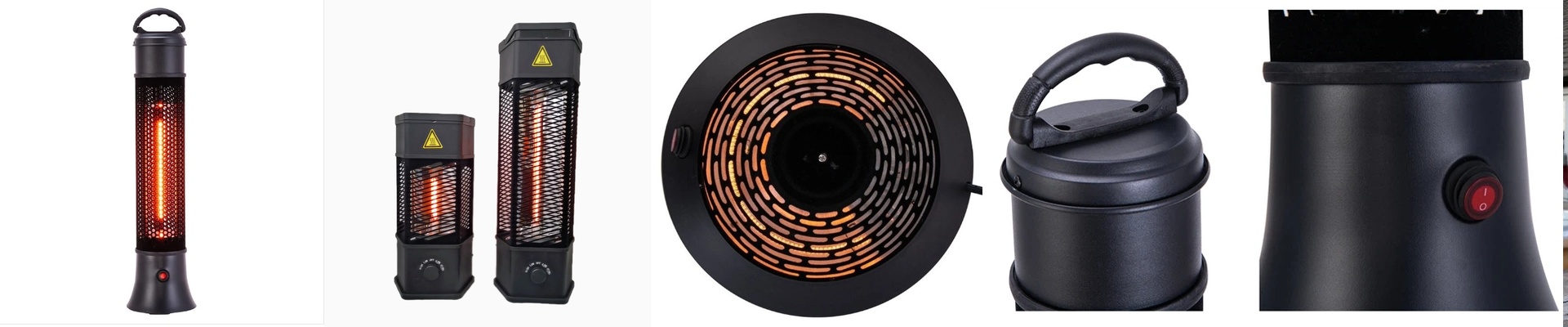
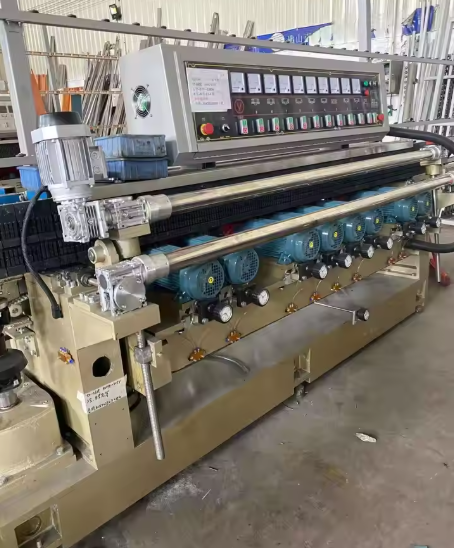
On the lamination line, PVB film cutting has to heat fast, even, and the same every time. If the heat isn’t uniform, you’ll see edge wrinkles, trapped air, and optical distortion after autoclave. Hit the temperature wrong, and you’re throwing away glass, film, and labor. We built our heating modules to snap the film up to setpoint, hold it steady, and keep the thermal profile consistent shift after shift. What matters under the hood We run short-wave quartz heating, tuned to match PVB emissivity. That puts the energy into the film, not the surroundings. Power is sized for typical cutting zones, with a fast ramp and a stable dwell under PLC control. The heaters are built for industrial duty cycles, with solid terminals, standard connectors, and a compact footprint that drops right into existing tooling. Temperature repeatability stays tight, so the same film thickness gives you the same tack window, shot after shot. Why it plays well on the floor Shortening the heating segment tightens the whole lamination cycle and boosts throughput without adding floor space. Energy drops because heat comes on demand and cuts off when idle, so you’re not bleeding power like you do with convection-heavy systems. Yield climbs because uniform heating cuts film shrinkage and edge stress, which means fewer optical defects and less rework. Maintenance stays low, too—swap the module in, fewer moving parts to baby. The practical bits Installation is straightforward, but the heater has to be aligned to the cutting zone and matched to film thickness and line speed. Expect a quick tune-up run to set dwell time and keep film edges from overheating. Keep the quartz surface clean—dust or film residue will shift emissivity and drift the profile. Once you calibrate it, the process holds steady, and the energy and yield gains show up clear on the daily production sheet.