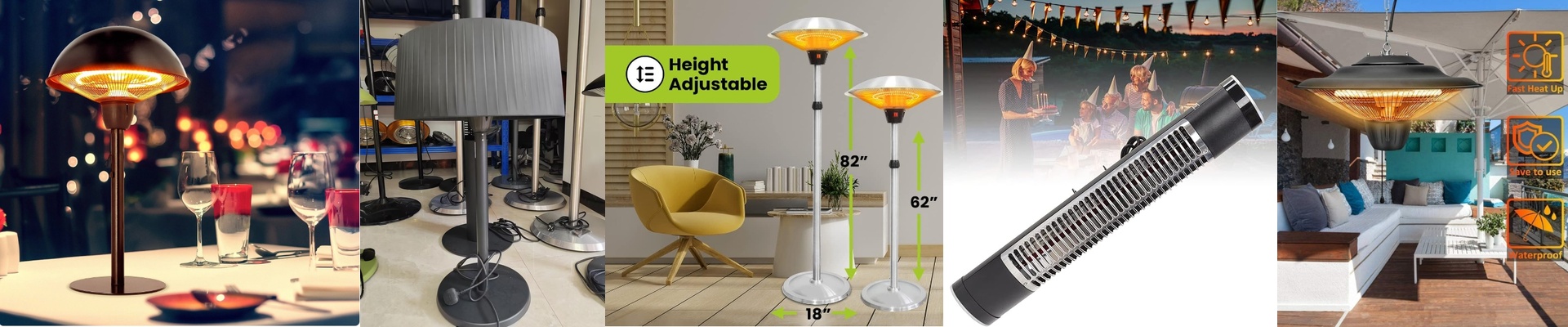

Stepping out of the shower into a cold bathroom isn’t just uncomfortable—it’s a reminder that old bulb-style “heat lamps” were built for a different time. They scorch at the surface but don’t deliver even warmth, and in a humid room, electrical safety should never be an afterthought. That’s why serious, waterproof infrared heaters are becoming the baseline in modern bathroom upgrades.
What matters, technically
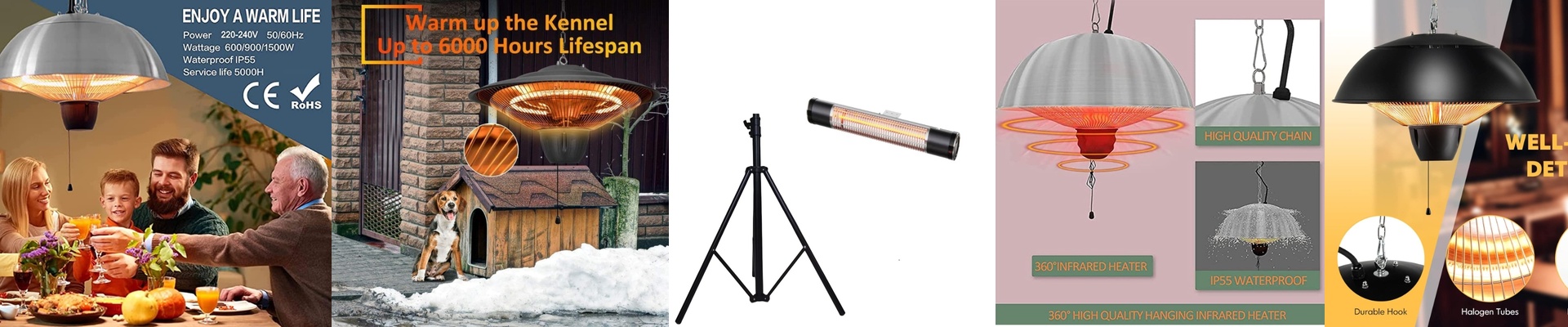
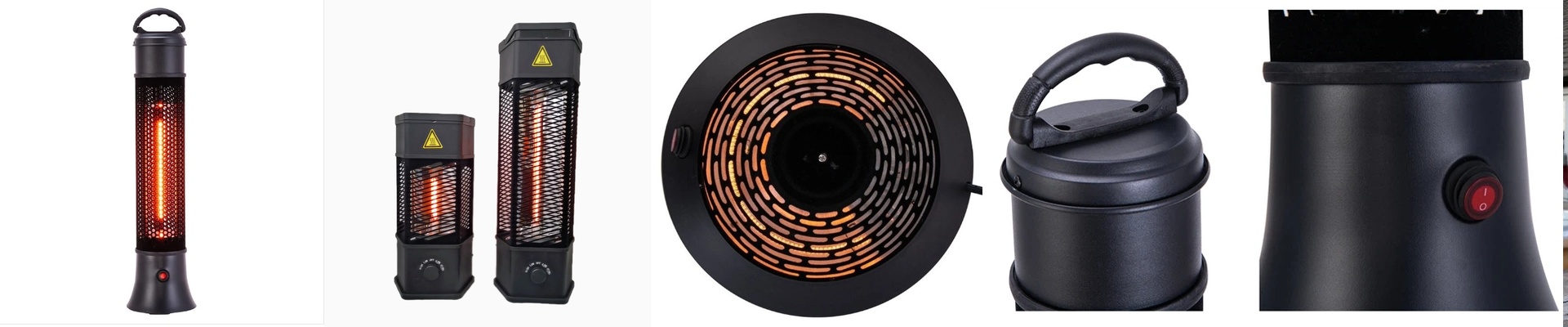
We design bathroom infrared heaters around radiant heat, not hot glass. Quartz or carbon fiber elements send warmth outward, hitting people and surfaces directly—much like the sun warming your skin on a cool day. The payoff is steadier, more even comfort, without waiting around for the room air to turn over. Safety gets built in, not bolted on. Tip-over protection shuts the unit down the moment it’s knocked off its mounting plane. In wet zones, the IP rating isn’t a checkbox—we design for high waterproof levels so moisture and steam stay out of the electrical core. Add a thermostat, and you get consistent comfort instead of temperature swings.
Why this works in a bathroom
A bathroom upgrade is about feel, not just looks. Waterproof infrared heaters cut the time it takes to feel warm after a shower, and because the heat is directional, you don’t have to overheat the whole room to get relief. In practice, that can mean using less energy during the minutes that matter most. Renovators like the clean install, too. These units go in with fewer visible elements than older lamp setups, and the materials stand up to steam without corroding. For households, tip-over protection is the kind of feature you appreciate—especially when kids, pets, or tight spaces are part of everyday life.
What to watch for
Plan the installation up front. Mount the heater in the correct dry zone, respect the clearances, and put it on a dedicated circuit to avoid nuisance tripping. With infrared heat, comfort comes down to positioning—too high and the warmth misses the floor, too low and it can feel too intense. Get the angle right early, and you’ll end up with the soft, even warmth that makes a bathroom feel finished—without cutting corners on safety.