
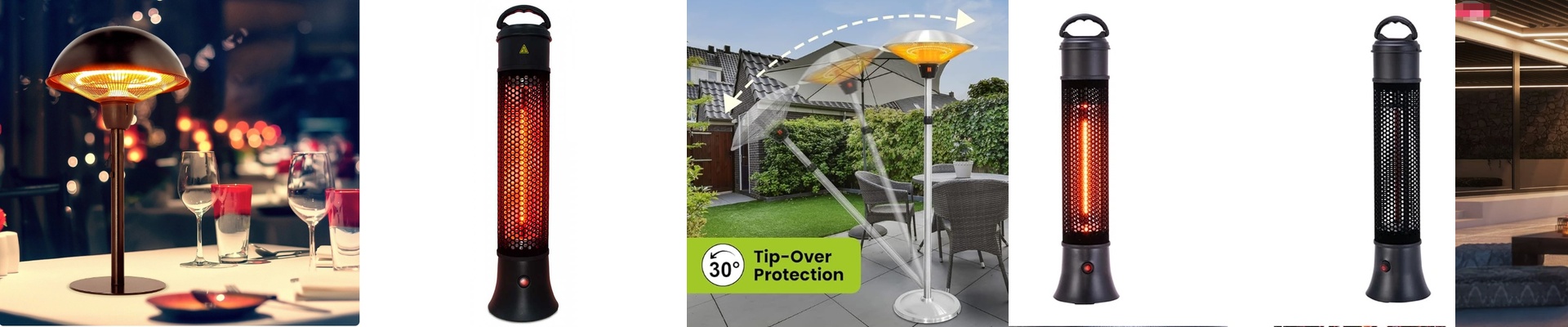
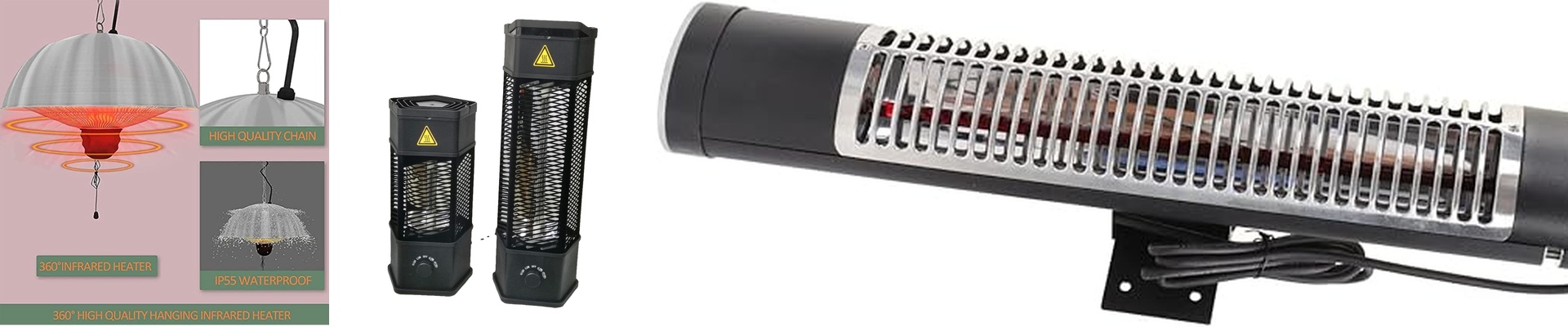

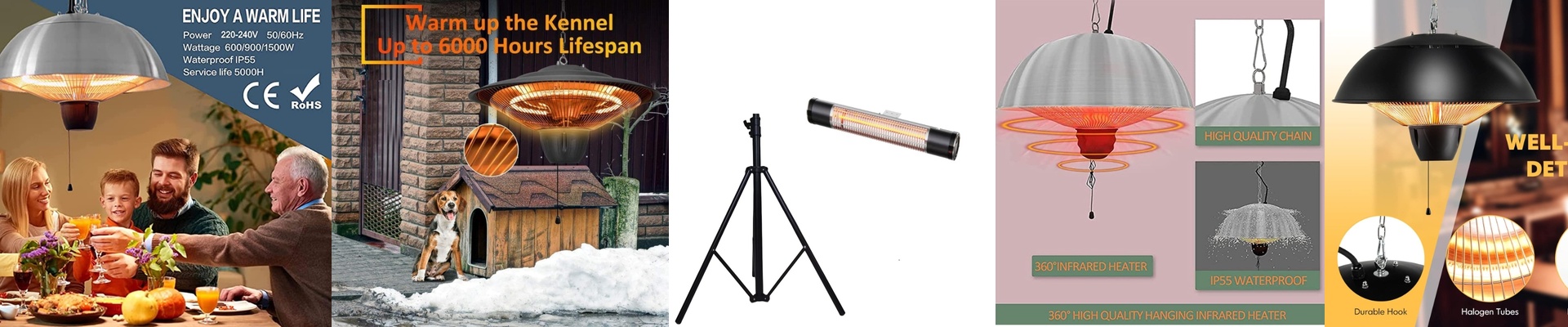

Out on the glass line, heat isn’t just heat—it’s control. If your tempering furnace or bending oven can’t hold a uniform temperature across the glass, you’re buying optical distortion, thermal stress fractures, and perfectly good glass that should have shipped ending up as scrap. We built our carbon fiber infrared heaters around that reality, not around what looks good in a brochure.
What actually matters, technically
Carbon fiber infrared elements put heat where you need it—fast, direct radiant heat, with high emissivity and a response time measured in seconds, not minutes. That gives you a tight thermal profile across the glass and helps you avoid the hot spots that convection-heavy systems tend to create. You can keep up with high-speed tempering and bending cycles without overshoot, and the housings run cooler, so you’re not dumping extra heat into the cell and putting your operators closer to the heat.
In lamination, that same control translates to repeatable, uniform heating across the stack—exactly what you need for clean EVA and SGP bond lines without bubbles or voids.
Why this works in real production
You’re measured on yield and uptime. Carbon fiber infrared heating shortens warm-up and stabilizes the thermal window quickly, which trims cycle time and lowers energy per part. The even heat field cuts down on edge stress and optical defects, so first-pass yield goes up.
For insulating glass sealing and coating drying, the focused heat keeps convection turbulence from messing with the process, so you get consistent curing without pinholes or uneven film formation. In practice, that means fewer rejects, fewer line stoppages, and a production plan that doesn’t have to be rewritten every shift.
The things you’ll want to get right
These heaters are built for industrial glass equipment, but alignment and mounting still matter. Surface clearance and angle have to match the glass path and oven geometry if you want the intended heat distribution. They work with standard connections, but if you’re retrofitting an older oven, expect minor bracket changes and a bit of control tuning to match the faster thermal response.
Schedule the install during a planned maintenance window, and make sure your control strategy can handle the shorter ramp times.