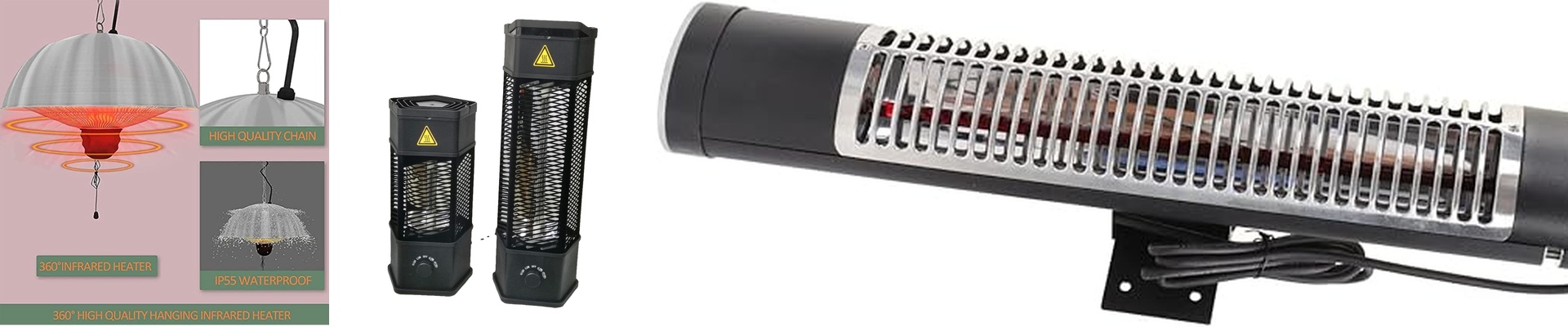

Out on the glass line, heat isn’t just heat—it’s control. If your tempering furnace or bending oven can’t hold a uniform temperature across the glass, you’re buying optical distortion, thermal stress fractures, and perfectly good glass that should have shipped ending up as scrap. We built our carbon fiber infrared heaters around that reality, not around what looks good in a brochure.
What actually matters, technically
Carbon fiber infrared elements put heat where you need it—fast, direct radiant heat, with high emissivity and a response time measured in seconds, not minutes. That gives you a tight thermal profile across the glass and helps you avoid the hot spots that convection-heavy systems tend to create. You can keep up with high-speed tempering and bending cycles without overshoot, and the housings run cooler, so you’re not dumping extra heat into the cell and putting your operators closer to the heat. In lamination, that same control translates to repeatable, uniform heating across the stack—exactly what you need for clean EVA and SGP bond lines without bubbles or voids.
Why this works in real production
You’re measured on yield and uptime. Carbon fiber infrared heating shortens warm-up and stabilizes the thermal window quickly, which trims cycle time and lowers energy per part. The even heat field cuts down on edge stress and optical defects, so first-pass yield goes up. For insulating glass sealing and coating drying, the focused heat keeps convection turbulence from messing with the process, so you get consistent curing without pinholes or uneven film formation. In practice, that means fewer rejects, fewer line stoppages, and a production plan that doesn’t have to be rewritten every shift.
The things you’ll want to get right
These heaters are built for industrial glass equipment, but alignment and mounting still matter. Surface clearance and angle have to match the glass path and oven geometry if you want the intended heat distribution. They work with standard connections, but if you’re retrofitting an older oven, expect minor bracket changes and a bit of control tuning to match the faster thermal response. Schedule the install during a planned maintenance window, and make sure your control strategy can handle the shorter ramp times.
ความร้อนบนสายการผลิตแก้วไม่ได้เป็นเพียงความร้อนเท่านั้น—แต่เป็นการควบคุม หากเตาอบเทมเปอร์หรือเตาอบดัดของคุณไม่สามารถรักษาอุณหภูมิให้สม่ำเสมอทั่วทั้งแผ่นแก้วได้ คุณกำลังเผชิญกับความเพี้ยนของภาพ รอยแตกจากความเค้นความร้อน และแก้วที่ยังใช้งานได้ดีแต่กลับต้องกลายเป็นเศษซาก เราออกแบบฮีตเตอร์อินฟราเรดคาร์บอนไฟเบอร์โดยยึดตามความจริงนี้ ไม่ใช่ตามสิ่งที่ดูดีในโบรชัวร์
สิ่งที่มีความสำคัญทางเทคนิคจริงๆ
องค์ประกอบอินฟราเรดคาร์บอนไฟเบอร์ส่งความร้อนไปยังจุดที่ต้องการอย่างรวดเร็ว เป็นความร้อนแบบรังสีโดยตรง มีค่าการแผ่รังสีสูง และตอบสนองในเวลาเป็นวินาที ไม่ใช่นาที ซึ่งช่วยให้โปรไฟล์อุณหภูมิบนแผ่นแก้วมีความแน่นและสม่ำเสมอ และช่วยหลีกเลี่ยงจุดร้อนที่ระบบที่เน้นการพาหะความร้อนมักสร้างขึ้นได้ คุณสามารถรองรับรอบการเทมเปอร์และดัดที่ความเร็วสูงโดยไม่เกิดการเกินอุณหภูมิ และตัวเรือนฮีตเตอร์ก็มีอุณหภูมิต่ำกว่า จึงไม่เพิ่มความร้อนเกินไปในพื้นที่ทำงานและไม่ทำให้ผู้ปฏิบัติงานต้องรับความร้อนมากขึ้น
ในกระบวนการลามิเนชัน การควบคุมแบบเดียวกันนี้ช่วยให้ความร้อนกระจายสม่ำเสมอและทำซ้ำได้ทั่วแผ่นซ้อนกัน ซึ่งเป็นสิ่งที่จำเป็นสำหรับการเชื่อมต่อ EVA และ SGP ที่สะอาด ปราศจากฟองอากาศหรือช่องว่าง
เหตุผลที่วิธีนี้ใช้ได้ผลในการผลิตจริง
คุณถูกวัดผลจากอัตราผลผลิตและเวลาทำงาน ฮีตเตอร์อินฟราเรดคาร์บอนไฟเบอร์ช่วยลดเวลาอุ่นเครื่องและทำให้อุณหภูมิคงที่ได้อย่างรวดเร็ว ซึ่งช่วยลดเวลารอบการผลิตและพลังงานต่อชิ้น ความร้อนที่สม่ำเสมอยังลดความเค้นที่ขอบและข้อบกพร่องทางแสง ทำให้อัตราผลผลิตผ่านรอบแรกสูงขึ้น
สำหรับการปิดผนึกแก้วฉนวนและการอบแห้งฟิล์มเคลือบ ความร้อนที่มีจุดโฟกัสช่วยลดความปั่นป่วนของการพาหะความร้อนที่อาจรบกวนกระบวนการ จึงได้การบ่มที่สม่ำเสมอโดยไม่มีรูพรุนหรือฟิล์มที่ไม่สม่ำเสมอ ในทางปฏิบัติหมายถึงการลดของเสีย ลดการหยุดสายการผลิต และแผนการผลิตที่ไม่ต้องแก้ไขบ่อยในแต่ละกะ
สิ่งที่ควรทำให้ถูกต้อง
ฮีตเตอร์เหล่านี้ออกแบบมาสำหรับอุปกรณ์แก้วในโรงงาน แต่การจัดตำแหน่งและการติดตั้งยังคงเป็นเรื่องสำคัญ ระยะห่างจากผิวและมุมต้องสอดคล้องกับเส้นทางแก้วและรูปร่างเตาอบ หากต้องการการกระจายความร้อนตามที่ตั้งใจไว้ พวกมันรองรับการเชื่อมต่อมาตรฐาน แต่ถ้าคุณกำลังติดตั้งทดแทนในเตาอบรุ่นเก่า ควรเตรียมการเปลี่ยนแปลงขาแขวนเล็กน้อยและปรับจูนการควบคุมเพื่อให้สอดคล้องกับการตอบสนองความร้อนที่เร็วขึ้น
ควรนัดหมายติดตั้งในช่วงเวลาบำรุงรักษาที่วางแผนไว้ และตรวจสอบให้แน่ใจว่าแนวทางการควบคุมของคุณรองรับเวลาช่วงเพิ่มอุณหภูมิที่สั้นลงได้