
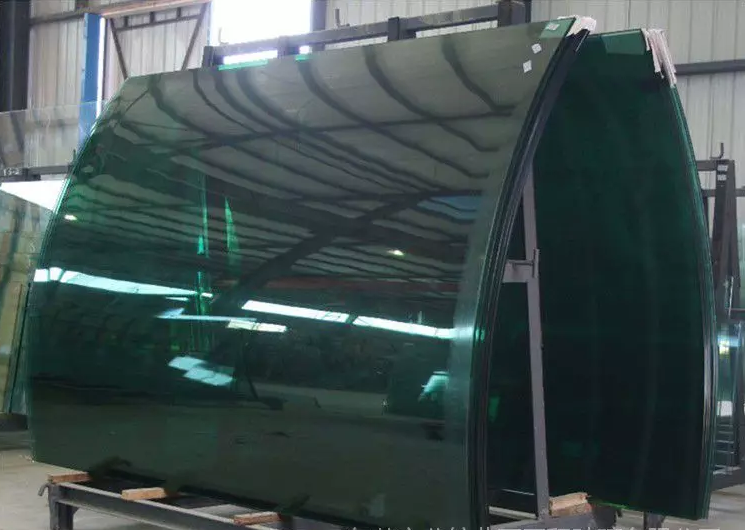
Stop the Cracks: Getting Glass Tempering Right with Fast IR
Tempering glass is a bit of a tightrope walk. You need the heat to ramp up exactly right. If you’re too aggressive, the glass snaps. Too slow? You’ve got internal stress that’ll haunt you later. We use shortwave infrared radiators to fix this. Why? Because they react almost the instant you tell them to. The trick is in the speed. Most heating elements are just too bulky. They hold onto heat, which creates this annoying lag between when you turn the dial and when the temperature actually changes. Shortwave IR is different. It uses radiation, not convection. When you tweak the power via your controller, the heat drops in milliseconds. It’s nearly instant. This lets you play with the temperature curve in real-time. You can hit that peak tempering heat and then kill the intensity the moment the glass hits the quench tank. No more “hot spots,” no more thermal shock. Just clean glass. What’s under the hood? We build these tubes with high-purity quartz and fill them with halogen gas to really crank up the wattage. The best part is that shortwave light actually sinks deep into the glass. It doesn’t just toast the surface; it gets right into the core. On the hardware side, we use R7s or SK15 connectors. I won’t bore you with the specs, but basically, they let you swap tubes quickly without the housing melting under high current. Just a heads-up: if you’re running a high-voltage setup to keep line loss down, double-check that your cabling can actually handle the peak amp draw. You don’t want a meltdown on your hands. The reality check Now, look—this isn’t magic. It’s high-intensity heat. If your conveyor timing is off by even a fraction of a second, you’re going to over-bake your glass. You’ve got to make sure your PLC logic and the lamp’s power cycle are perfectly in sync. And please, keep an eye on your cooling fans. These tubes run incredibly hot. If the fans quit, your reflectors will warp, and your heat distribution will go completely sideways.