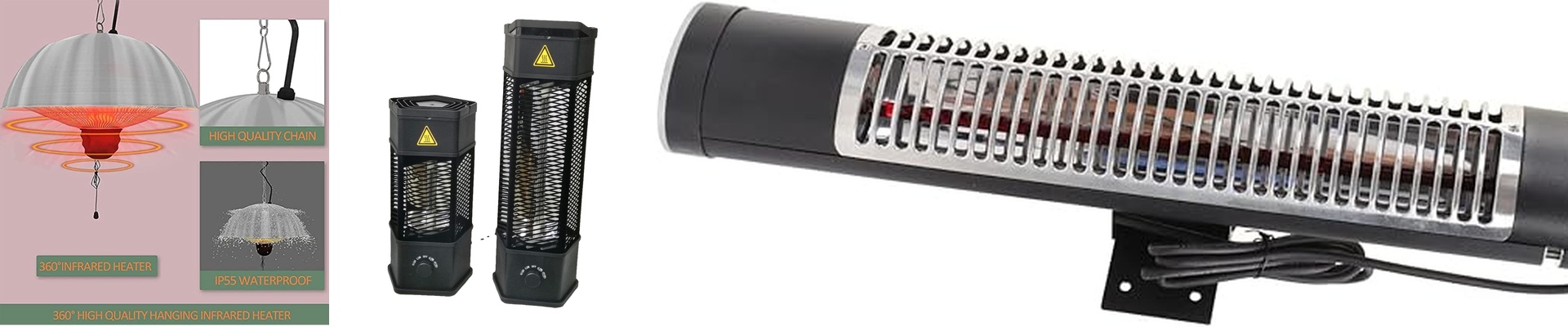

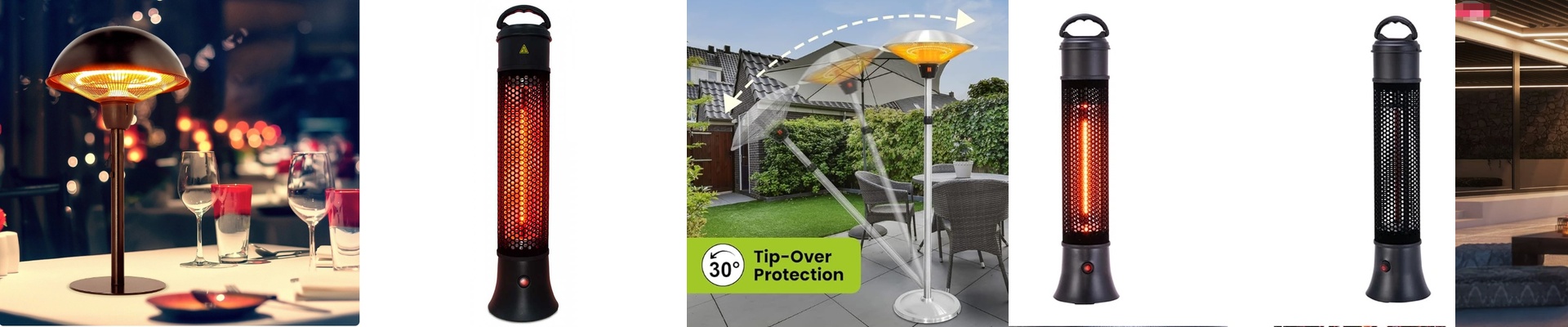

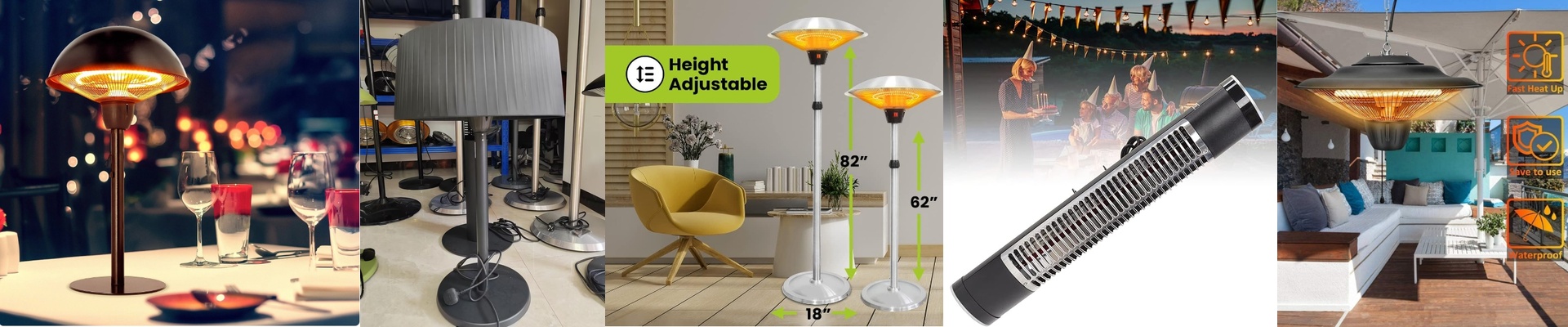
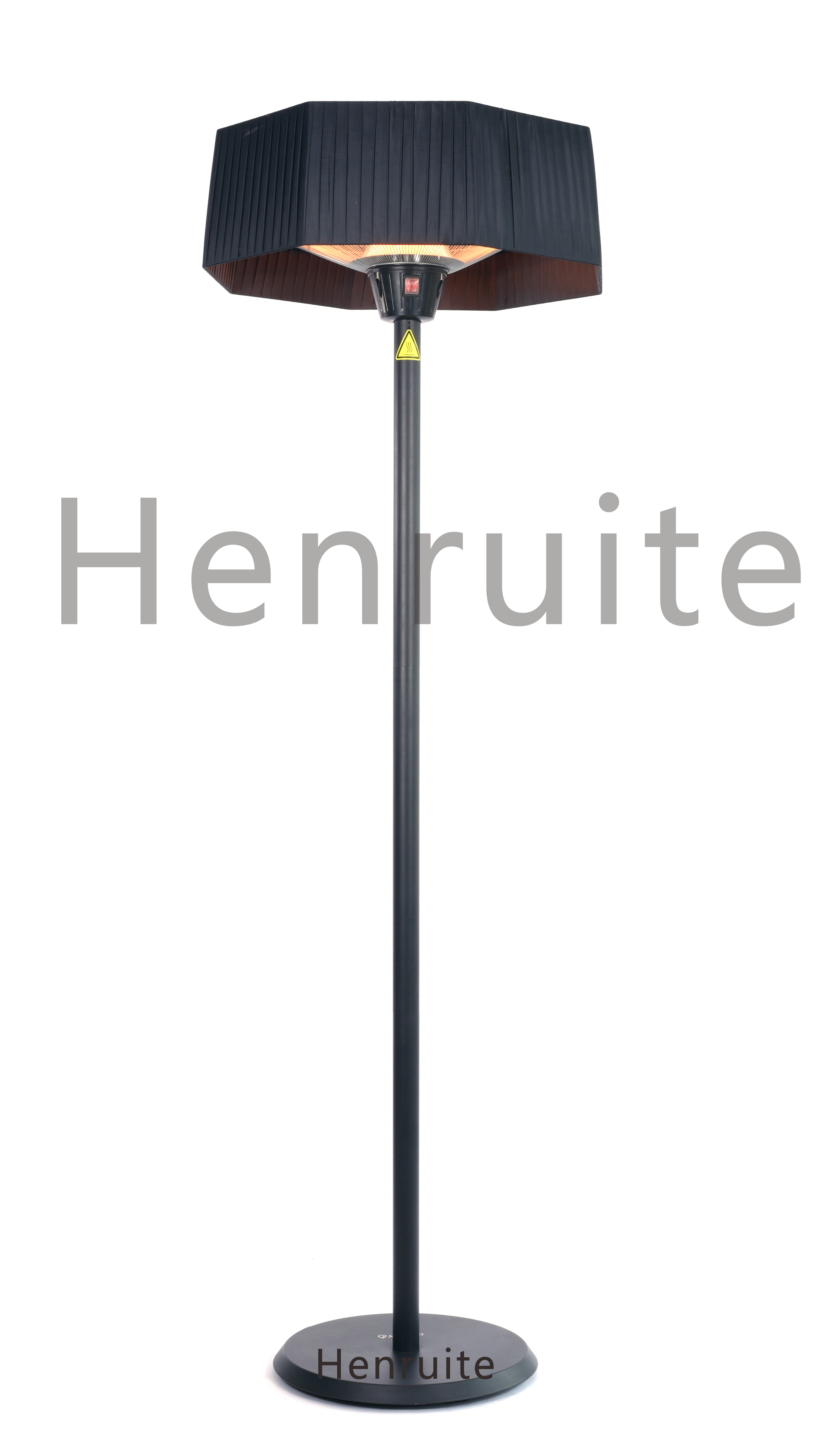
A warm bathroom starts with matching the heater to the room, not crossing your fingers and hoping. Damp air and cold tile will expose an undersized unit—it runs forever and never gets the job done. Go too big, and you’re just burning power for no reason. Get a high-power infrared heating lamp sized to the actual square footage, and the room finally behaves. What matters, technically Infrared bathroom heaters deliver radiant heat—they warm people and surfaces directly, not the air in between. In wet spaces, look for an IPX4 rating or higher, a solid quartz or carbon fiber element, and a built-in safety thermostat. Power is the lever: a 1500W unit typically covers 6–8 m², while a 2000W unit handles 9–12 m². You’ll see 120V and 240V options; 240V wiring pulls less current for the same output, which often means lower operating cost and less strain on the circuit. Why it works in a bathroom Comfort here comes down to speed and dryness. A properly sized infrared heater hits you with warmth on contact, so you feel it almost immediately. Since it isn’t trying to fight humidity by heating the air, the space feels drier and cozier with fewer on/off cycles—and that tends to translate into lower energy use over time. Cold spots shrink, too, so the floor isn’t such a shock when you step out of the shower. The practical details you can’t skip Match the lamp to the circuit, and use a ceiling or wall mount rated for wet locations. Most infrared heaters need a dedicated circuit, and in high-moisture areas, hardwired units are cleaner and safer than plug-in options. Expect the surface to get hot—maintain clearances, and don’t mount directly above a shower where steam is constant. When it’s sized right and installed properly, this upgrade makes the bathroom feel steady, warm, and welcoming, even on the coldest mornings.