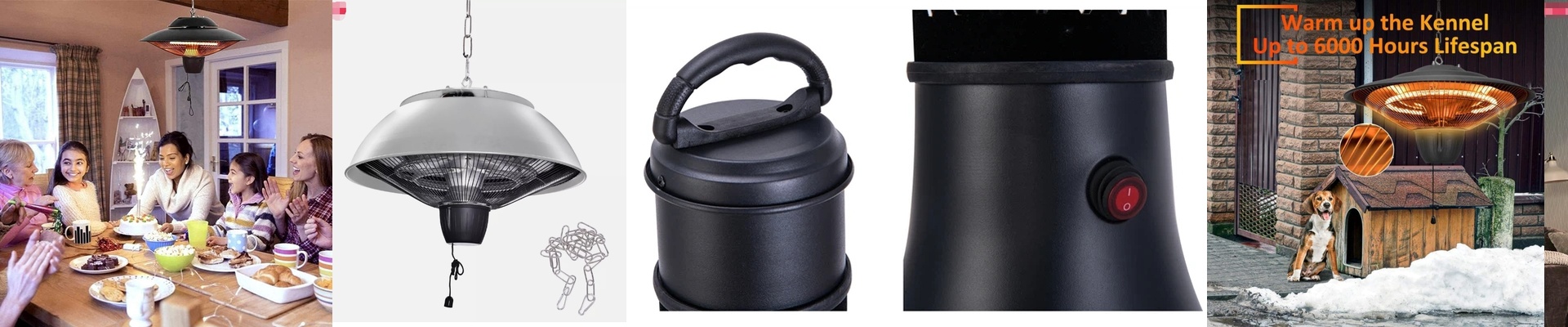
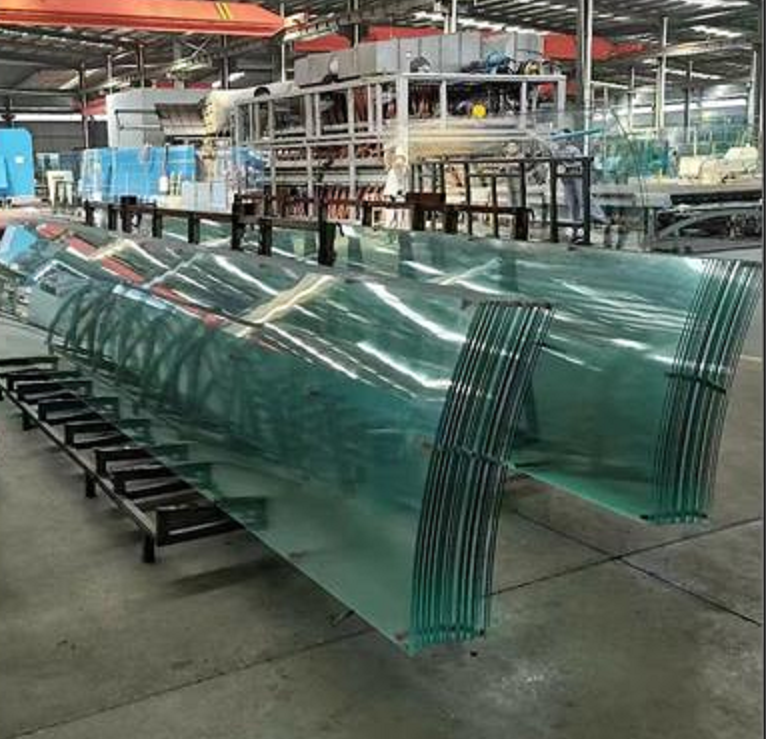
On the glass line, the heating step is where thermal stress cutting either makes it or breaks it. If the quartz element can’t hit setpoint fast, the glass sees a lag. The score line wanders, micro-cracks seed, and you’re throwing away sheets that should’ve shipped. We built a heating module for that exact moment—tuned for the realities of tempering, bending, and coating lines. What matters, in practice, is control and repeatability. Our quartz short-wave heaters come back fast and hold tight thermal uniformity across the zone. That gives you a stable thermal front, predictable emissivity behavior, and less convection drift. The module drops into existing frames using common mounting patterns and power ranges, so you don’t have to re-engineer the line. In real terms, you get quicker ramp-to-setpoint, shorter dwell, and fewer temperature swings that push glass past its stress limit. Why it works in a plant comes down to uptime, yield, and cost. Faster heating shortens the cycle, so the same oven or furnace moves more glass per shift. Tighter uniformity cuts off-spec cuts, pushing finished yield up by a measurable margin. Energy use drops because the heater pulls only what it needs, with lower standby losses and less wasted heat bleeding into the plant. Maintenance takes a hit in the right direction, too. The design reduces hot-spot wear and makes replacement straightforward, so spare inventory and technician hours stay lean. Installation is simple, but plan for clearance and airflow. Keep the heater clear of moving fixtures and make sure cooling paths stay clean to protect the element. Match voltage and the connector to your cabinet, and confirm the control strategy lines up with your PLC logic. Once those details are handled, the module behaves like a standard component, not a special project.