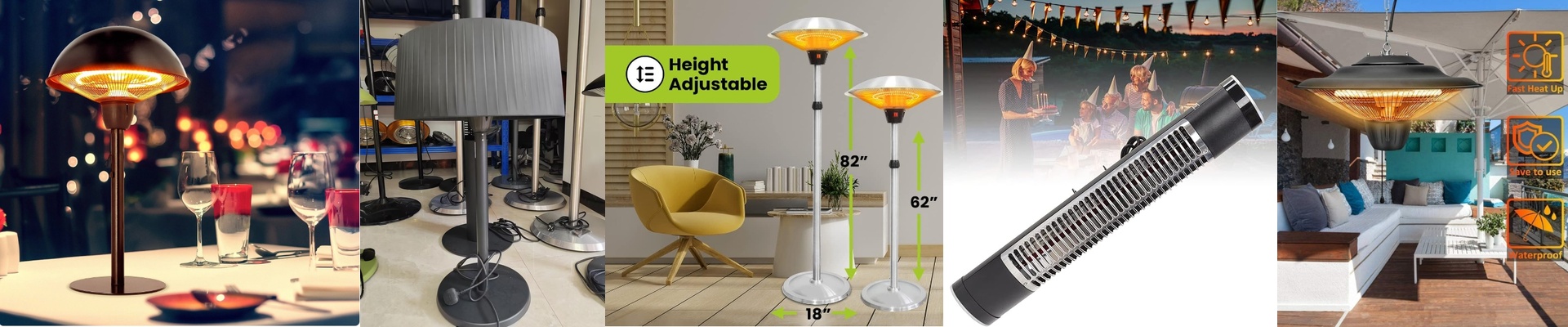
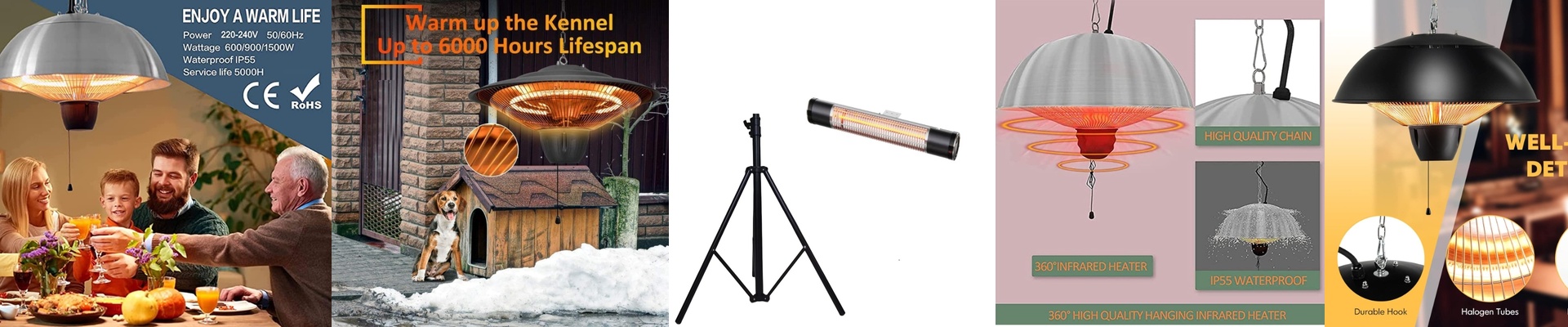
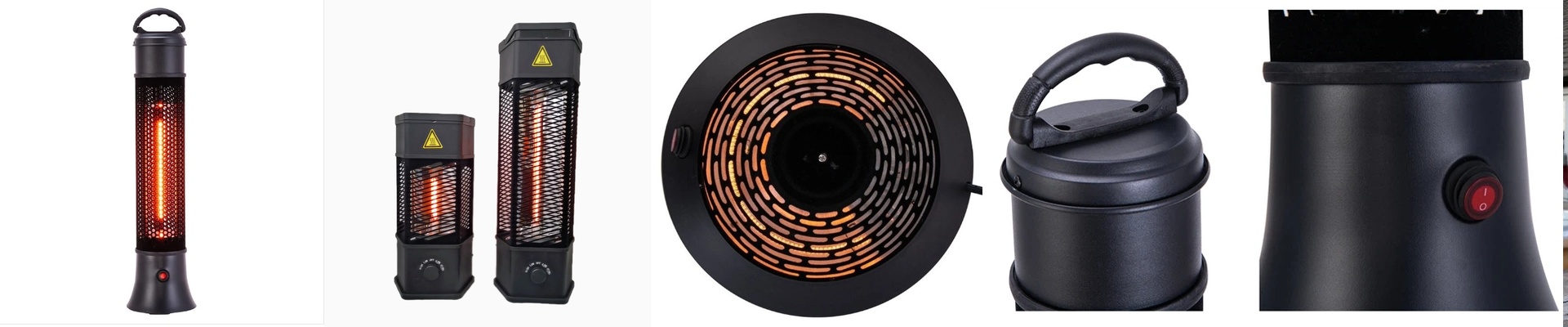

As 2026 heating designs lean toward smarter, cleaner, and more dependable comfort, the real question is straightforward: can your outdoor space stay warm without the hassle, the waste, and the compromises? We build our CE-approved electric heaters to answer that before winter shows up, because comfort should feel earned, not forced.
What matters under the hood
We lean on radiant warmth—directional heat that hits people and surfaces first, instead of wasting time heating air. Inside, a high-efficiency carbon fiber element keeps output steady and lifespan long, paired with a quartz tube that handles rapid cycling and rough outdoor conditions. You get heat the moment you flip the switch: no pilot light, no combustion. Each unit is built for real electrical setups: standard voltage options, grounded plugs, and built-in overheat protection. The thermostat holds the space at the temperature you pick, and tip-over protection shuts the heater down if it gets knocked over. For outdoor use, the IP rating means it resists dust and splashing water, so patio evenings don’t have to end when the weather turns.
Why this approach fits the real world
In 2026, design leadership shows up where it counts—less noise, fewer cold spots, and comfort that arrives faster. Our electric heaters make outdoor seating, dining, and conversation practical even when the air gets sharp. Because radiant heat warms objects directly, you feel it quickly, without waiting for the whole volume of air to warm up. Whether it’s a home patio or a commercial space, that means the area gets used more steadily, guests stay comfortable, and energy use stays predictable. The payoff is an outdoor living experience that stays consistent from early evening into night, without the drafty swings you get with air-based heating.
The practical details that make the difference
Placement matters. Radiant warmth performs best when the heater faces the seating area at a comfortable distance, with a clear line of sight to people—not blocked by furniture or walls. Also, these heaters are engineered for outdoor use, but they do best when protected from heavy rain and strong wind that can chill the outer surface and cut into perceived warmth. For full-season reliability, use an outdoor-rated extension cord if you need one, and keep the heater on a stable, level surface.