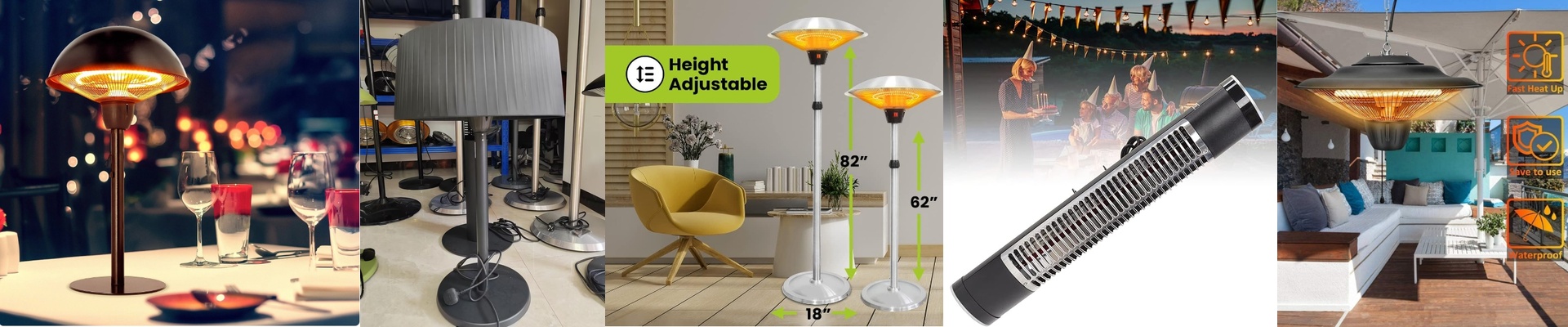

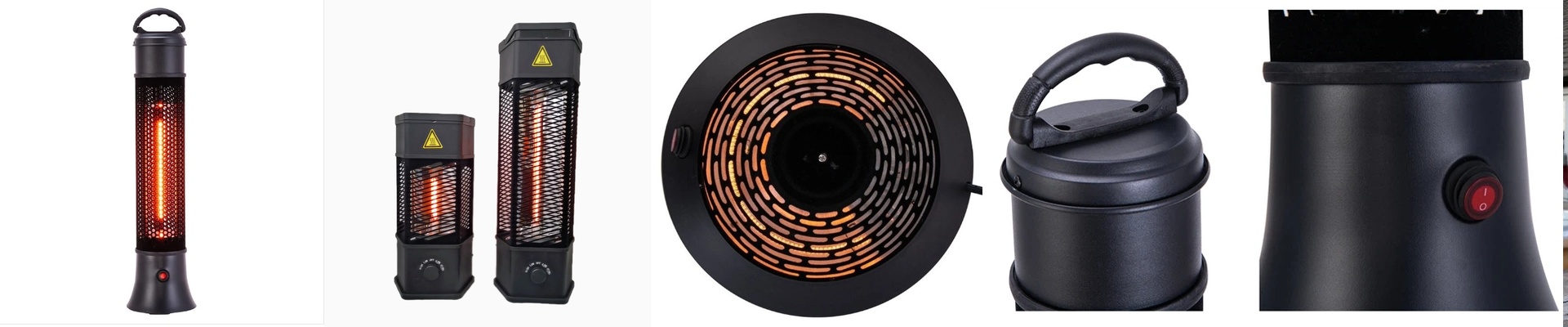

When winter really sets in, you feel it first in your hands and feet. Standard air heaters warm the room, but they don’t always get the warmth where circulation slows and the cold digs in. That’s the sweet spot for an infrared electric heater—delivering heat the way your body recognizes it: direct, comforting radiant warmth. What matters, technically Infrared shines because it sends energy straight to people and objects, not just the air around them. In a wholesale electric heater built for comfort, the core is usually a carbon fiber or quartz element that produces medium-wave infrared warmth. That wavelength gently penetrates the skin surface, helping muscles relax and supporting better local blood flow. For residential and light commercial use, output is typically in the 1–2 kW range, with 120V or 240V options depending on your circuit setup. The payoff isn’t a blast of hot air—it’s a steady, even warmth that feels immediate and natural. Why it works where it counts Cold hands and feet are often a sign of reduced peripheral circulation. Infrared gives you targeted relief by warming surface tissues first, which can ease stiffness and encourage microcirculation. Because the heat is directional, you feel it exactly where you need it—at your feet while reading, at your hands while working at a patio table, or near your legs during an evening outdoors. For wholesale buyers, it’s also a dependable, low-maintenance option: no open flame, no combustion fumes, and heat the instant the unit is switched on. Here are the practical details Infrared electric heaters do their best work in semi-enclosed or sheltered spots. Wind and drafts can strip away the warmed surface layer, so protection from cross-breezes matters. They’re designed to be plug-and-play, but placement still matters. Keep a clear distance from combustible materials, and use an outlet and extension cord rated for the wattage. If you want steady comfort, look for models with a built-in thermostat and safety features like tip-over protection. In colder months, pairing an infrared heater with a draft barrier—or a secondary air heater—can keep you cozy from head to toe.