
Stopping Glass from Cracking: Why Twin-Tube IR Heating Actually Works
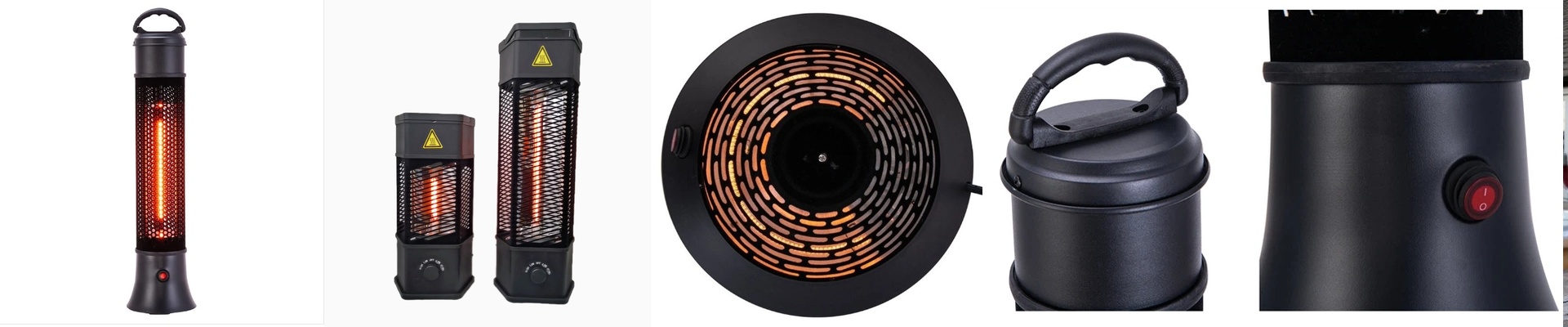
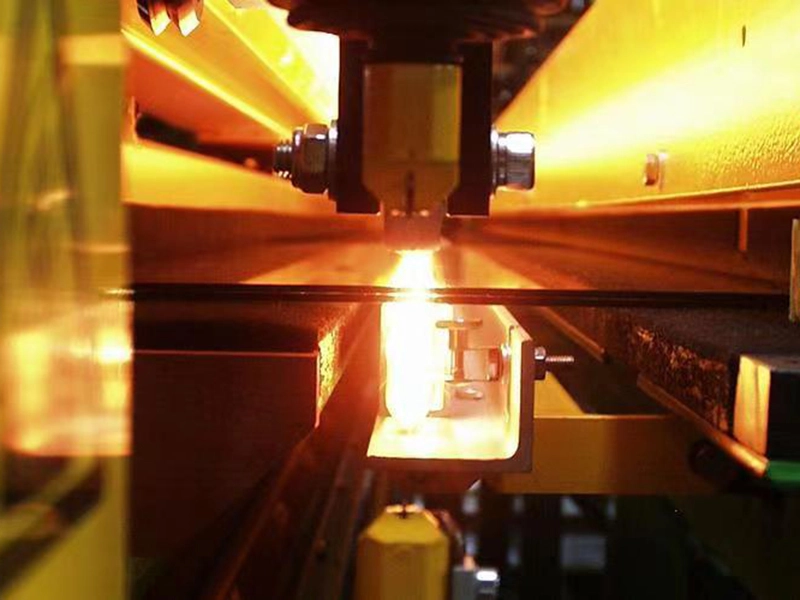
Making glassware is a bit of a tightrope walk. You have to heat things up fast, but if you do it too aggressively, the surface tension snaps and your piece ends up in a million shards. To stop that from happening, we use twin-tube shortwave infrared elements. Think of it as an “instant flash” of heat that protects the glass from thermal shock. The secret is in the power swing. Here’s the thing: the twin-tube design lets us pack way more wattage into a tiny space without making the heater itself bulky. But power isn’t everything—control is. When you move glass from cold to hot, it can crack if the outside gets scorched while the inside is still freezing. That’s where shortwave IR saves the day. It reacts almost instantly. The second your controller cuts the power, the heat drops. No lingering heat, no overheating, and way less breakage. Better heat, fewer hot spots. We use high-purity quartz tubes because they let the IR light through without blocking it. By using two tubes instead of one, the heat spreads out more naturally across the glass. You get a smooth, even glow instead of those nasty hot spots that usually lead to structural failure. The catch (because there’s always one). Now, look, these lamps put out a massive amount of heat in a very small area. It’s intense. If your cooling fans and housing aren’t up to the task, you’re going to have problems. We’re talking burnt-out sockets or warped reflectors. You have to make sure your ventilation can actually handle the total wattage, or you’re just building a very expensive oven that destroys itself. If you want this to work perfectly, wire these elements into a fast-acting SCR. It gives you that millisecond response time. It’s the difference between a perfect piece of glass and a pile of scrap.