


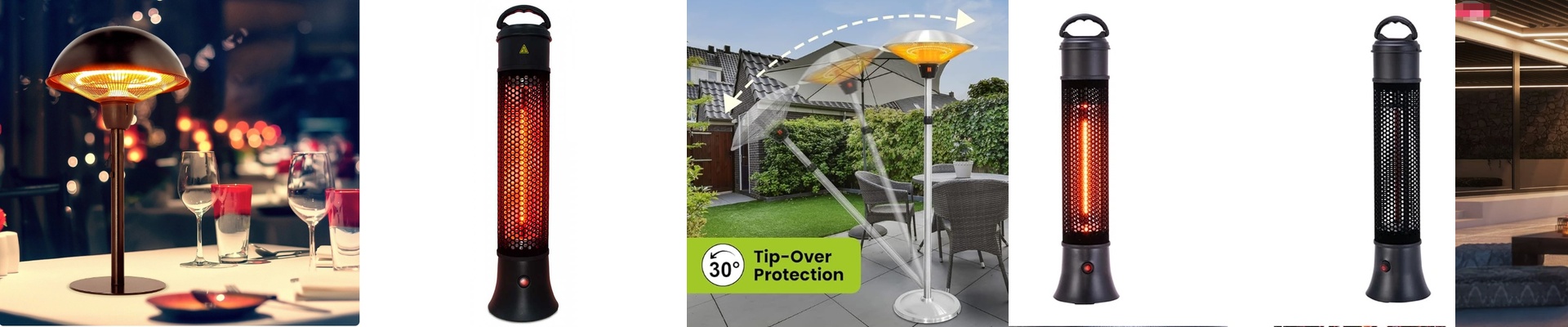
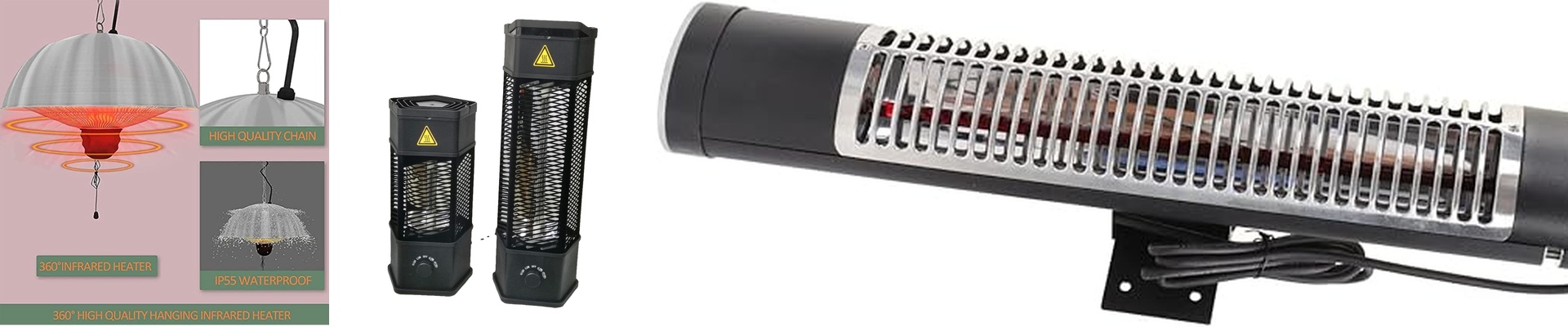
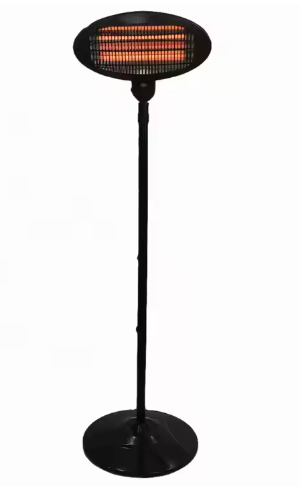
A damp, cold basement isn’t just uncomfortable. It drags down the whole house. You know the feeling—chilly floors, that musty edge in the corners, and a space that never really feels like part of the home. We built our basement electric heaters to fix that, starting with the reality on the ground. The goal is simple: steady radiant warmth, smart controls, and an install that stays clean.
What’s under the hood
We lean on electric radiant heat, delivered through a low-glare infrared element. It warms people and surfaces directly, instead of chasing the air temperature. In practice, you feel comfort faster, with less waiting around. Pick the power that fits the room: 120V models for standard circuits, or 240V versions when you need more output. A built-in thermostat holds the temperature steady, and the safety basics are covered—tip-over cutoff and overheat protection keep day-to-day use worry-free.
Why this approach fits basements
Basements sit at a steady low temperature, and all that exposed surface area holds onto cold. Radiant electric heat hits the problem where you actually feel it. Floors stop feeling like stone, seating areas become welcoming, and the room stops reading like a storage cellar. Because the warmth is directed where it’s needed, energy use stays focused. You don’t get noisy drafts—just quiet comfort you can rely on.
What to keep in mind
For the best result, place the heater where you actually spend time—near seating or along the main walkway. Most units plug into a dedicated outlet, but 240V models often need a hardwired connection by a qualified electrician. Keep clearances clear, and remember radiant heat works by line-of-sight. Obstructions can create warm patches and cooler zones. Pair it with solid insulation and ventilation, and that basement becomes a true extension of your living space.