
Keeping Things Safe: The Reality of Bathroom Infrared Heaters
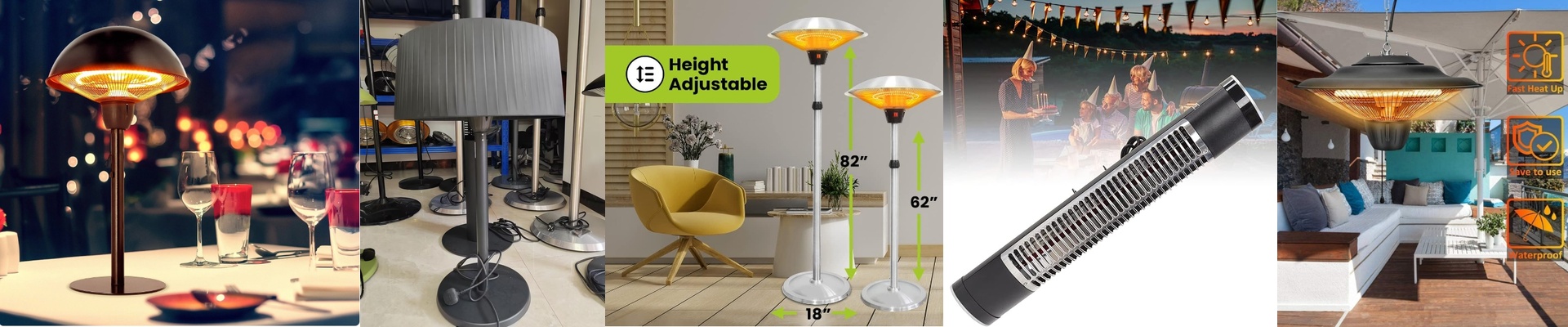
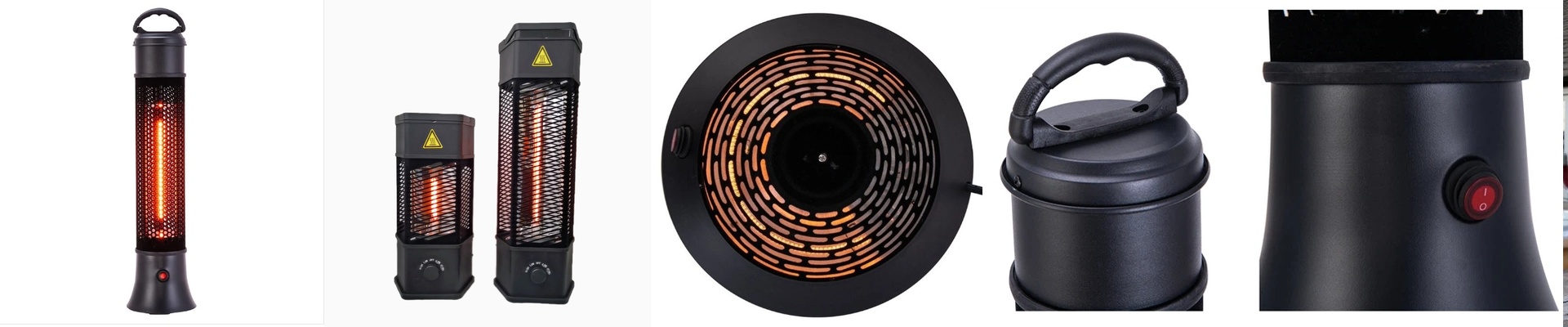
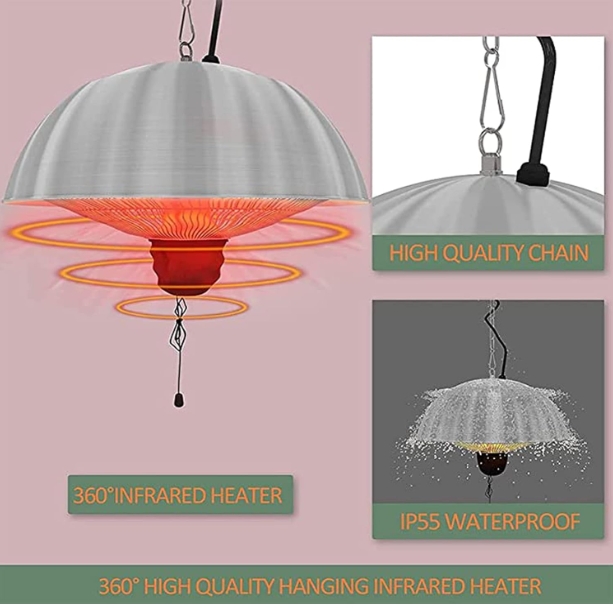
Putting an infrared heater in a bathroom is a bit of a balancing act. You’ve got high humidity, steam, and the occasional direct spray of water. In that environment, current leakage isn’t just a technical glitch—it’s dangerous. When someone is standing on a wet floor, you can’t afford any mistakes. Here is how we actually handle the insulation to make sure everything stays safe. The materials matter We start with high-purity quartz glass for the heating element. Quartz is great because it’s a natural insulator. Even when the heat kicks in and materials start to expand, the tungsten filament inside stays exactly where it should, never touching the outer housing. But the ends of the lamp are where things get tricky. Moisture loves to creep into terminals. To stop that, we seal the ends with high-temperature ceramics or glass-to-metal seals. It keeps the “live” electrical parts completely separate from the chassis. Where things usually go wrong If a heater fails, it’s almost always where the power cord meets the lamp. That’s the weak spot. We use IPX4 or IPX5 rated enclosures to keep water out. But we don’t just rely on the seals. The entire chassis has to be bonded to a dedicated earth ground. Think of the ground wire as your safety net. If a seal fails or a component pops, the ground wire trips the RCD (Residual Current Device) instantly. The power cuts out before anyone even realizes there was a problem. The trade-off with heat Shortwave lamps are amazing because they give you instant heat. The downside? They get incredibly hot in very specific spots. Cheap rubber gaskets can’t handle that. They’ll dry out, crack, and eventually let steam leak right into the electrical box. To avoid that, we use silicone-based gaskets. They handle the constant heating and cooling cycles much better. Still, it’s a good idea to check those seals every few years just to be sure. The bottom line? Use heat-resistant cabling and a GFCI outlet. It’s the only way to sleep easy knowing the bathroom is actually safe.