
Getting Heat Right in Humid Spaces
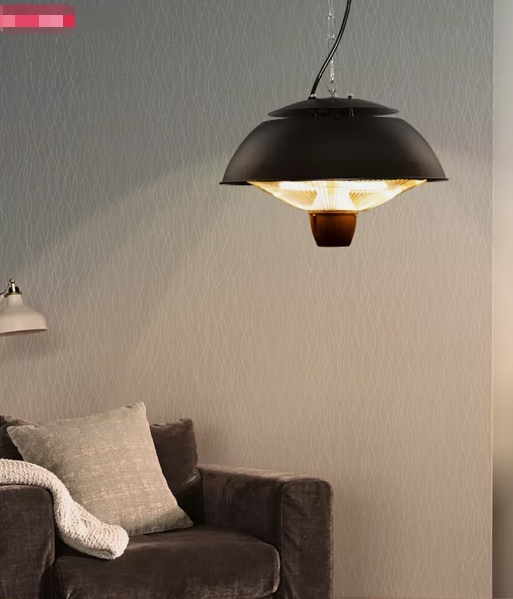
Anyone who’s ever stepped into a cold dressing room or a damp bathroom knows the struggle. You turn on the heater, you wait, and you wait… but the air stays chilly because the moisture just eats the heat. It’s frustrating. That’s why we stopped relying on traditional heaters and switched to shortwave infrared (SWIR). Here is the secret: we aren’t trying to warm up the air. That’s a losing battle in a drafty room. Instead, SWIR sends heat directly to your skin and the surfaces around you. You feel it the second you switch it on. No waiting, no shivering. Just instant warmth. How it actually works Inside these units, we use a tungsten filament tucked inside a high-purity quartz tube. When the power hits, it gets incredibly hot—so hot that it emits radiation in a very specific wavelength. The cool part? This heat travels right through the air without stopping to warm it up. It goes straight to the person standing under it. It’s fast. Really fast. Dealing with the damp Water and electronics are a nightmare pairing. Vapor gets in, things corrode, and then—pop—you’ve got a short circuit. To stop that from happening, we seal the electrical terminals with heavy-duty silicone or epoxy resins. We also use quartz for the tubing because it handles “thermal shock” like a pro. If a bit of cold water splashes onto a scorching hot element, the glass won’t crack. On the technical side, we stick with R7s or similar spring-loaded connectors. They keep the connection tight, which means no scary electrical arcing. Just a heads-up if you’re wiring these into a commercial building: make sure your breakers can handle that first big surge of power when they kick on. A few things to watch out for These lamps pack a punch, but that comes with a trade-off. Since the heat is so concentrated, you can end up with “hotspots” if you aren’t careful. Placement is everything here. If you hang the lamp too low, you’re looking at potential skin burns. Too high, and you lose that “wow” factor of the heat. We’ve found that keeping a clearance of at least 1.5 meters is the sweet spot. One last thing: quartz is tough against heat, but it’s still glass. If you’re installing these in a high-traffic area where things might get bumped or knocked over, just throw a tempered glass guard over the top. It’s a simple fix that saves you a lot of headaches later.