


Stop Letting Humidity Kill Your Infrared Heaters
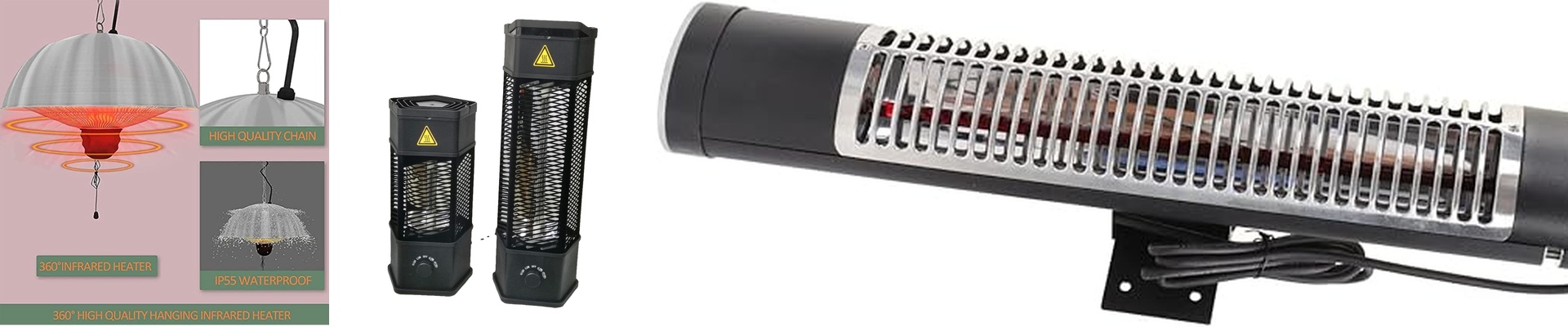
If you’ve ever put a standard infrared heater in a wash-down area or a damp zone, you already know how it goes. One day it’s working fine, and the next, it’s dead. Usually, it’s just moisture sneaking in, causing a short circuit or eating away at the heating element. It’s frustrating, and it’s expensive. We figured out a better way to handle this using IP65-rated enclosures and some clever anti-fogging seals.
What “IP65” actually means for you
In plain English? It means your heater is dust-tight and can take a direct hit from water jets without breaking a sweat. We make this happen with high-temperature silicone gaskets and sealed cable glands. This keeps the splashes far away from the electrical terminals. Here is the real danger: when water hits a scorching hot quartz tube, the glass suffers “thermal shock” and just cracks. A sealed housing stops that from ever happening.
Dealing with the “silent killer”
Condensation is a sneaky problem. When your unit cools down in a humid room, moisture settles on the lens or the reflector. This fogging acts like a curtain, blocking the heat from getting where it needs to go. Your system then has to work twice as hard—and run way longer—just to hit the right temperature. To fix this, we use hydrophobic coatings on the glass and a better venting system to keep everything crystal clear.
The honest trade-off
Look, nothing is perfect. Adding a waterproof shell means putting a physical barrier between the heat and your target. Because of that, the heat might spread a little differently than it would with an open-element heater. Just keep that in mind when you’re figuring out how far to place the heater from your workpiece. You might need to tweak the distance a bit.
Getting it installed
We designed these to be simple drop-in replacements. You shouldn’t need a degree in engineering to swap them out. We also used reinforced wiring so you don’t have to worry about seals pulling loose while you’re tugging them into place. One quick tip: if you’re wiring these into a high-moisture line, make sure your junction boxes are also IP65. Otherwise, you’ve got a waterproof heater plugged into a leaky box, which defeats the whole point.