Making Your Smart Home Actually Warm (Without the Headache)
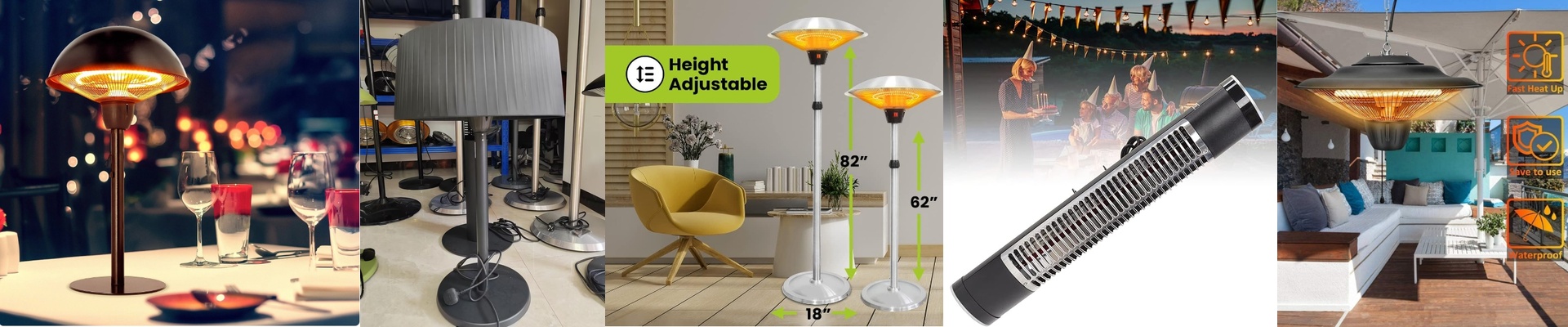
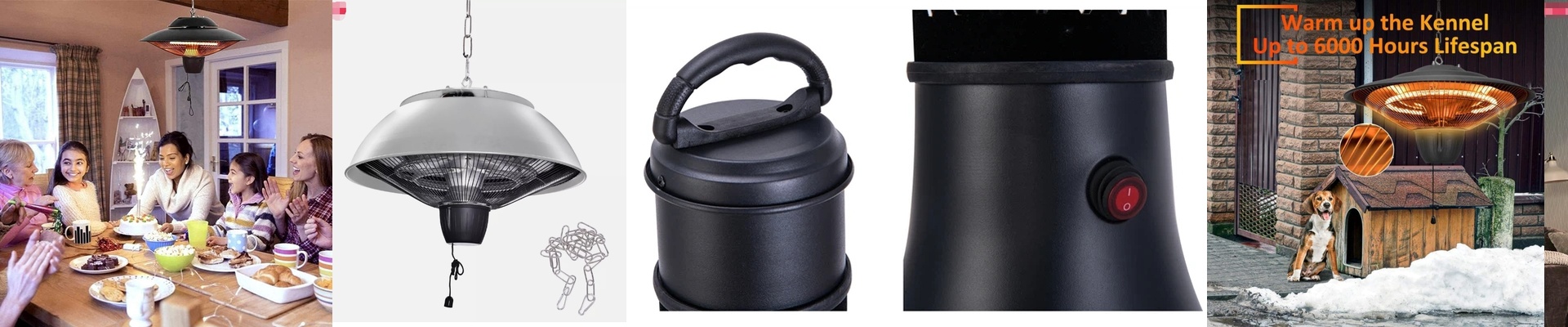
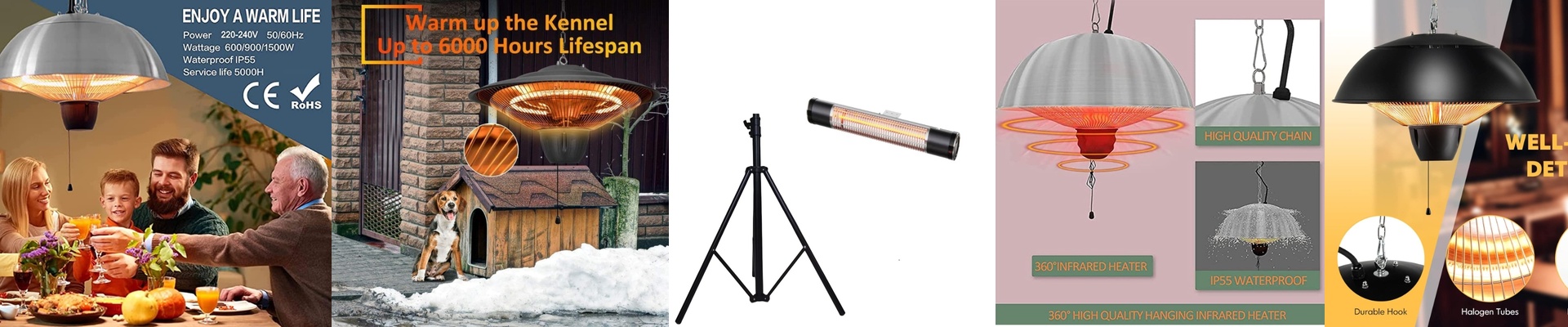
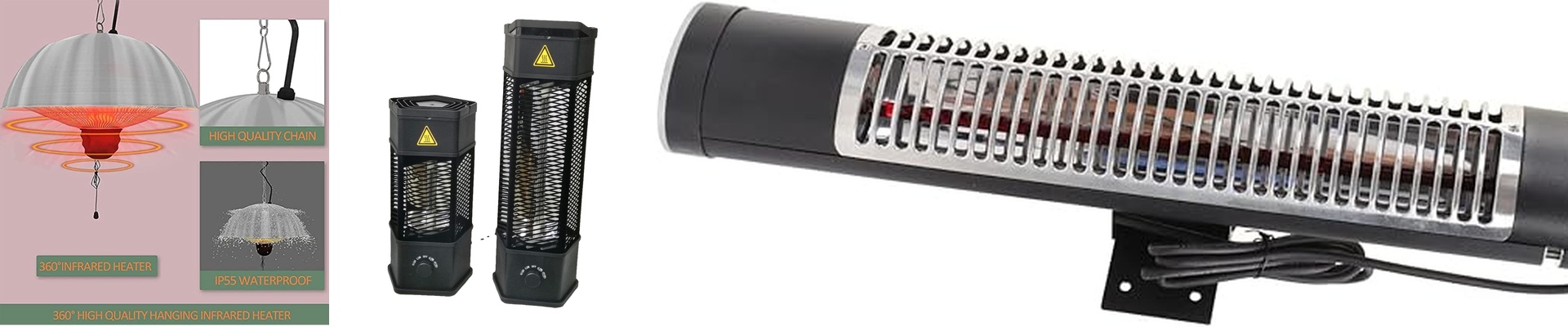
We build infrared heating tables that don’t freak out when things get a bit damp. They’ve got an IP44 rating, which is just a fancy way of saying they can handle splashes and a bit of dust without shorting out. If you’ve got a spot where water might fly or the air is humid, these are your best bet. Standard heaters would just give up in those conditions.
Heat, Right Now
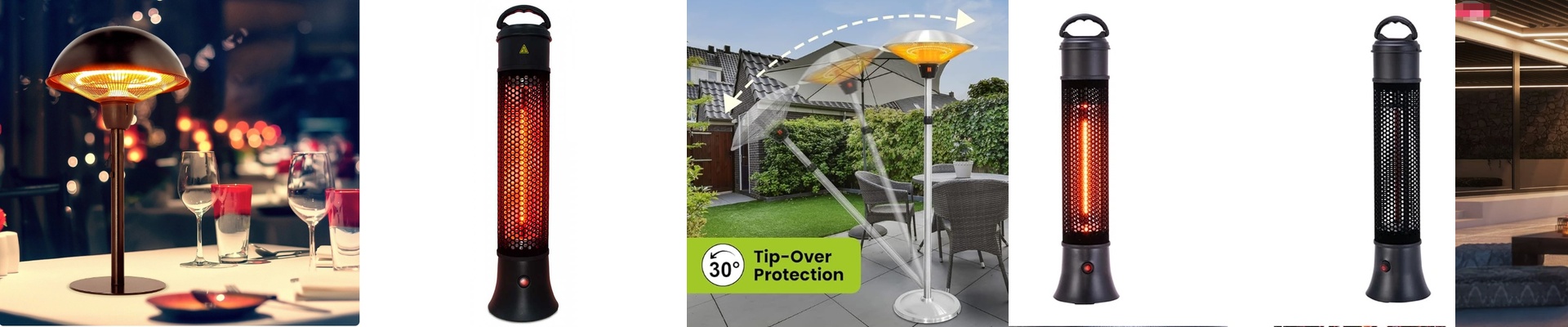
Most heaters try to warm up the air around you, which takes forever. These are different. They use short-wave radiation—basically the same way the sun warms your skin on a cold day. The second you flip the switch, the tungsten filament hits its peak temperature in a heartbeat. No waiting. No shivering while you wait for a fan to kick in. You just feel the heat immediately.
Getting it to “Talk” to Your Phone
If you want to control these with your phone or a voice assistant, you can’t just plug them into a cheap smart plug and call it a day. You need a solid relay or an IoT controller to act as the middleman. We set these up using a signal-to-power interface. You tap a button on your screen, the relay clicks shut, and the lamps fire up. It feels instant because there’s no oil to heat up or air to push around. It’s just direct energy.
A Few Things to Watch Out For
Here is the catch: these arrays pull a lot of power. If you’re hooking up a few of these tables to one smart hub, please check your circuit breakers. That initial surge of power can be brutal. If you use a cheap smart switch, the internal parts can actually weld themselves shut under the load. To avoid a meltdown, use a heavy-duty contactor. It keeps the high-voltage heavy lifting away from your delicate smart controller. And give them some breathing room. Even though they’re built for tough environments, the chassis still gets hot. If you cram the unit into a tight box, the thermal cutoff will kick in and kill the power to keep things safe. You’ll be left in the cold until the system cools down, which defeats the whole purpose.