


Shortwave Infrared: The Secret to Curing Hydrophobic Coatings on Glass
We built our shortwave infrared (SWIR) dryers for one reason: to cure hydrophobic coatings on glass the right way. Not just dry them. We’re talking about a true molecular bond that sticks—three times stronger than what you get with standard hot air. Here’s how it works. SWIR energy doesn’t just sit on top of the coating. It dives right in, heating the film from the inside out. No skinning. No uneven spots. Just a uniform cure, all the way through, which is exactly what you need for a coating that’s going to perform.
The Power Behind the Process
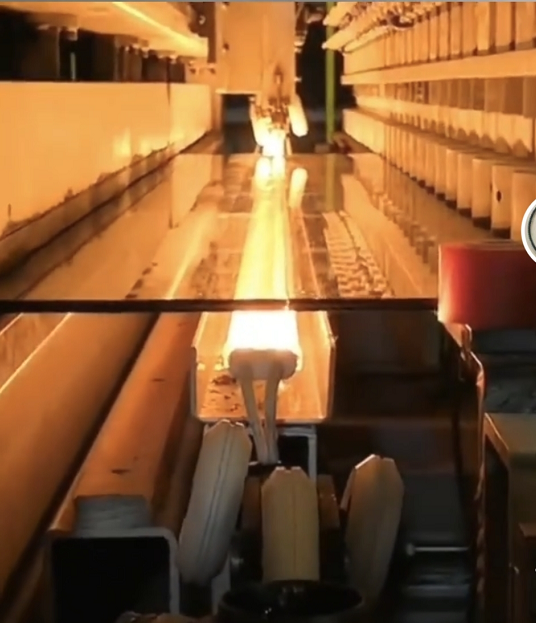
At the heart of the system is the SWIR heating lamp, built to handle the demands of a busy industrial line. We designed the tubes to pack a lot of heat into a small space. A standard setup runs on 400V, delivering the wattage needed across the tube. The length is typically 300mm, which is a sweet spot. It gives you the power density to hit the right cure temperature in seconds, not minutes. And that length? It lines up perfectly with standard glass panel widths, so integrating it into your line is straightforward. But with that kind of power comes a need to manage the heat. The output is intense, so we pair the lamp with a properly matched cooling circuit. That keeps everything running at a stable temperature and protects the electronics.
What the Lamp is Made Of
The lamp itself is a halogen-filled quartz tube. The halogen gas is a lifesaver for the filament. It recycles the evaporated tungsten, keeping the light output steady for thousands of hours. The quartz envelope is tough. It handles rapid heating and cooling cycles without breaking a sweat, and it’s brilliant at transmitting that SWIR energy. For the connection, we use the industry-standard R7s connector. It’s a high-temperature, secure link that’s simple to wire and easy to service when you need to. The magic, though, is in the physics. The coating on the glass is tuned to absorb the SWIR energy, while the glass itself stays relatively transparent to the wavelength. That selective absorption is the secret behind the stronger bond.
On the Floor, Where It Counts
Out on the shop floor, this setup makes curing hydrophobic coatings feel simple. The lamp cures the coating fast, so you’re no longer held back by line speed. Plus, it takes up way less space than a full hot-air oven. For the engineers, it means a process that’s solid and repeatable. You get tight control over the coating’s integrity, even when you’re running high volume. No more worrying about the variability that hot air brings. If you’re running a glass coating line, this is a direct upgrade. It cuts down cycle time and gives you a bond that’s stronger, every single time.