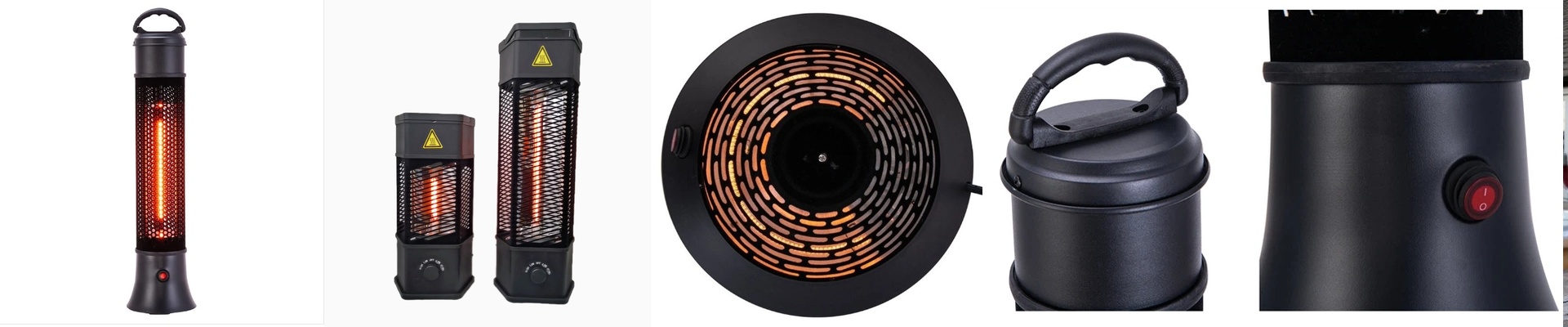

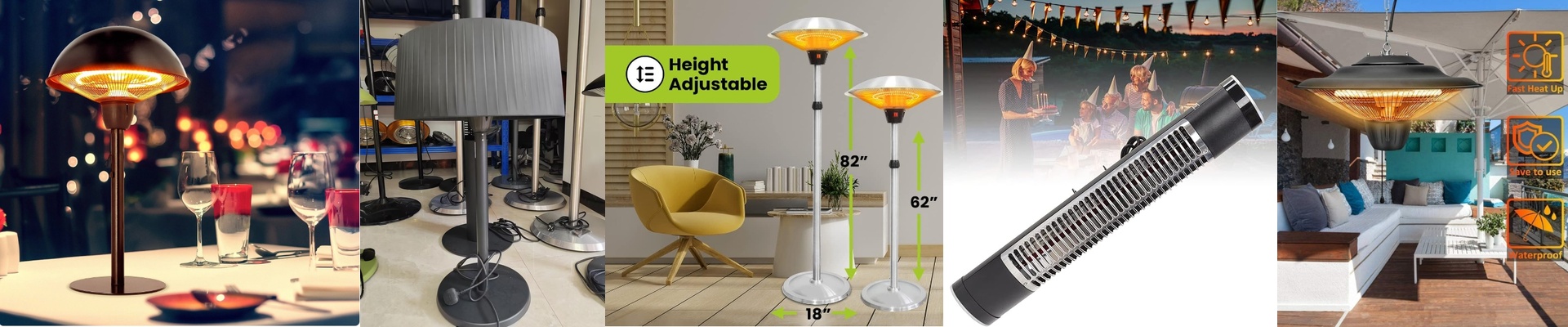

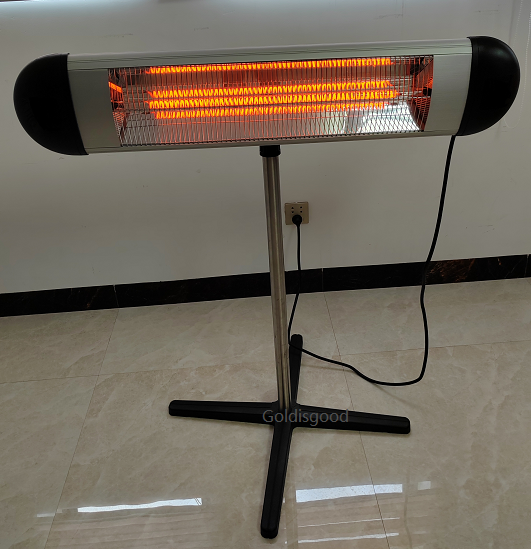
Stepping out of the shower into a bathroom that’s still damp and chilly isn’t just uncomfortable—it can set the wrong tone for the whole morning. But oversizing a heater just wastes energy, and undersizing leaves you cold. The fix is a room-specific approach to infrared heating that stays efficient without overthinking it. What matters technically We build our infrared heating lamps around radiant output, not just wattage. For bathrooms, we stick to 150W, 250W, and 350W models, using sealed quartz tubes and reflectors that put the heat where you actually need it. The circuitry is ERP-compliant, so standby losses stay low, and the response is instant—warmth hits within seconds. You get targeted heat without burning energy to warm the entire air volume. Why it works in practice A 150W unit is the right call for compact powder rooms up to 2 m²—quick comfort without overshooting. Medium bathrooms around 3–4 m² do best on 250W, balancing warmth and running cost. For larger family bathrooms or walk-in showers up to 6 m², 350W keeps walls and floors from stealing heat from your body. Right-sizing cuts energy use by avoiding unnecessary cycling and overheating, and that radiant warmth supports circulation and helps towels dry faster. Here’s what to keep in mind Infrared lamps deliver directional heat, so aim the beam toward the shower entry and any seating areas. They’re meant for supplemental, spot heating and perform best when paired with solid insulation and an ambient thermostat. For safety, hardwire the unit on a dedicated circuit near the shower zone and confirm local codes on electrical proximity in bathrooms. You’ll get a small amount of light during operation—handy for task illumination, but if you want it dimmer at night, a dimmer switch does the trick.