
Why it’s time to ditch those old bathroom lamp heaters
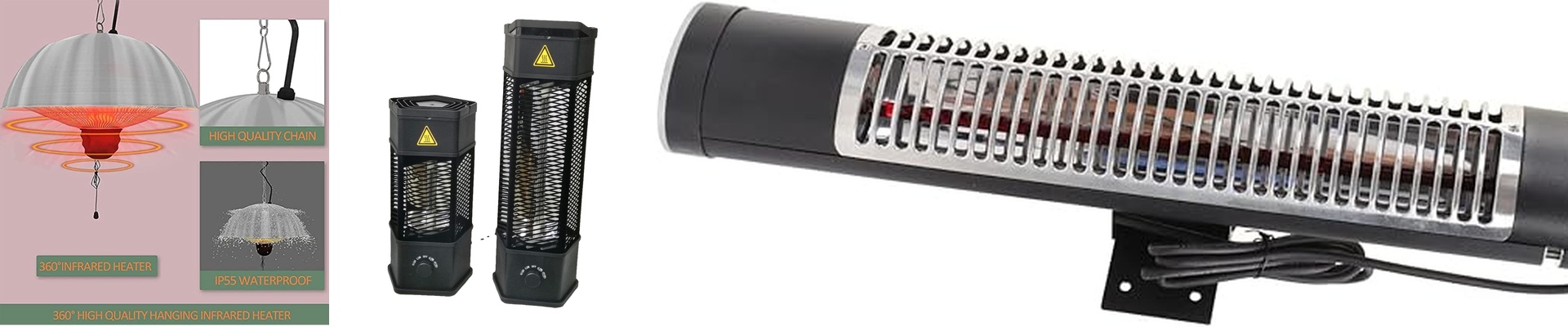
Most of us have seen those basic quartz lamp heaters in bathrooms. They do the job for a while, but they’re pretty flimsy. The problem is that bathrooms are basically steam rooms, and those old-school units just aren’t built for it. If you’ve got a modern wet-room setup where water is flying everywhere, those basic heaters are going to struggle. Let’s talk about the “IP” stuff. You’ll see “IP ratings” on the boxes. In plain English? It just means how well the heater keeps water out. Bathrooms are brutal on electronics. If you put a cheap unit in your ceiling, there’s a good chance it’ll short out in a few months. High-grade waterproof infrared heaters use sealed gaskets and housings that don’t rust. It keeps the moisture away from the wires so things don’t oxidize and burn out. It’s the difference between a heater that lasts a season and one that actually lasts years. That “instant” warmth feeling Ever notice how some heaters just make the ceiling hot while you’re still shivering? That’s because they’re trying to heat the air. Modern infrared is different. It uses radiant heat. Instead of warming up the room, it beams the heat directly onto you. The second you step out of the shower, you feel it. It’s immediate. No waiting around in a towel while the room slowly warms up. A few things to keep in mind for the install You can’t just plug these into a regular wall outlet. Since they pack a lot of power, you’ll need a dedicated circuit. And be careful with where you mount them. If they’re too low, you’re going to create a “hot spot” that feels like a heat lamp at a buffet—too intense and uncomfortable. Plus, you don’t want to scorch your ceiling. We usually suggest keeping them at least 2.1 meters above the floor. That way, the heat spreads out in a nice cone and covers the area comfortably. Sure, spending a bit more upfront feels like a sting. But these units can take a beating from humidity and temperature swings without quitting. You won’t be climbing a ladder to replace a blown-out bulb every six months.