

Stop Shivering in the Changing Room
Nobody likes that bone-chilling feeling of stepping into a freezing changing area. If you’ve ever tried to warm up a space like that with a standard heater, you know the struggle. You’re basically trying to heat the entire volume of air, which takes forever—especially when the wind is blowing right through the door. That’s why we stopped messing with forced air and switched to shortwave infrared.
Heat that hits instantly
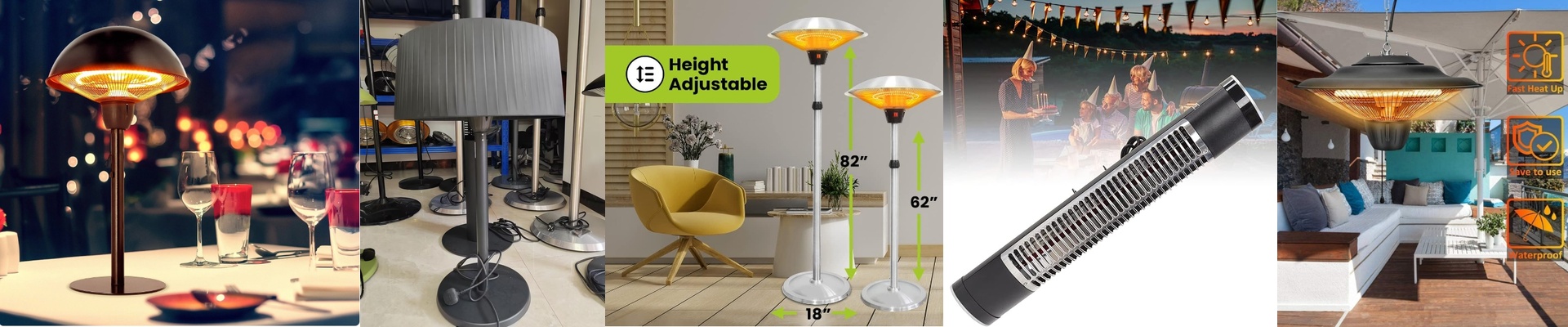
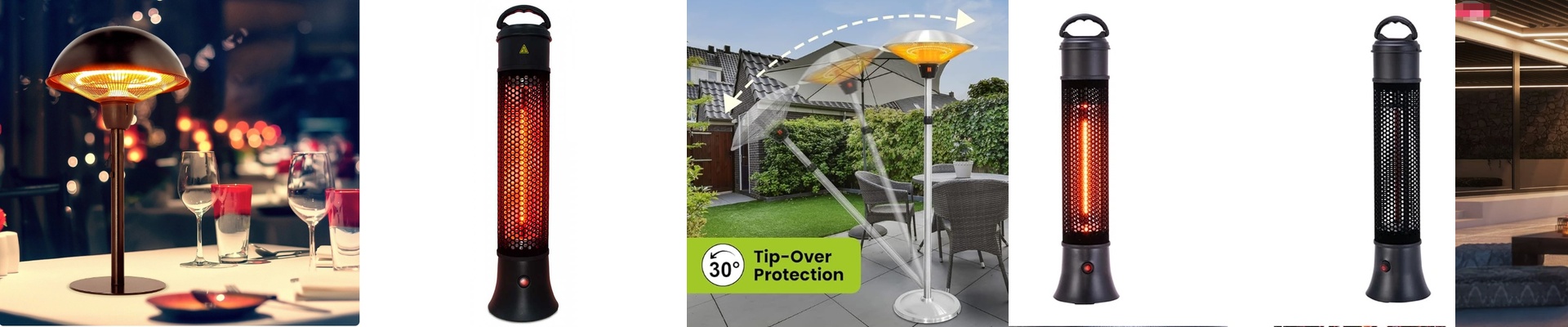
Here is the secret: we aren’t heating the air. We’re heating you. These lamps send out electromagnetic waves that go straight through the air and soak right into your skin and clothes. It feels like stepping into a beam of sunlight on a crisp autumn day. There is no “warm-up period.” You don’t stand around waiting for the room to reach a certain temperature. You just step under the light, and you’re warm. Period.
Built for the rough stuff
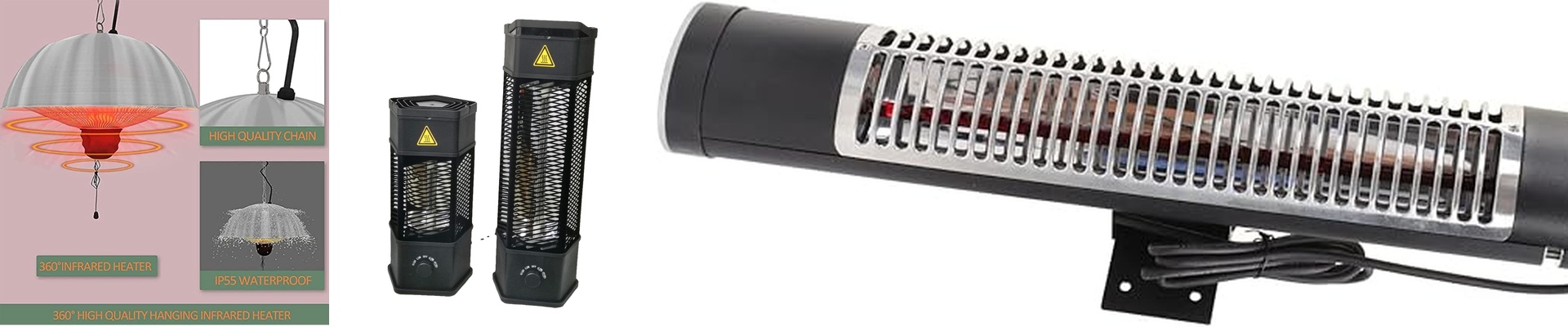
Outdoor heaters—especially in gardens or transition zones—take a real beating. Rain, salt air, dust, you name it. We build ours to IP65 standards because, frankly, that’s the only way they’ll last. We use heavy-duty sealed gaskets and housings that won’t rust or corrode. Whether you’re installing these in a humid locker room or right on the coast, the guts of the machine stay dry. It’s the difference between a heater that lasts a few seasons and one that actually survives the elements without frying the circuitry.
A few things to keep in mind
Now, these things pack a punch. Because the heat is so intense, you have to be smart about where you hang them. If they’re too low, it’s too hot—almost like standing too close to a campfire. Too high, and the heat fades before it ever reaches you. We usually suggest a staggered layout. It keeps the warmth even and gets rid of those annoying “cold pockets” where you’re still shivering despite the heaters. One last tip: check your wiring. These units pull a lot of power when they first kick on. Make sure your breakers can handle the peak load, or you’ll be spending your afternoon resetting the power box.