
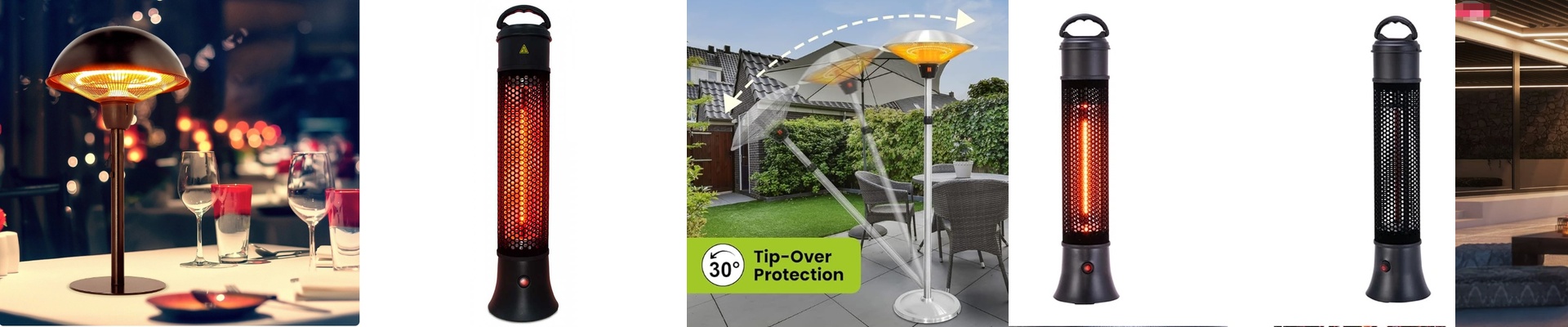
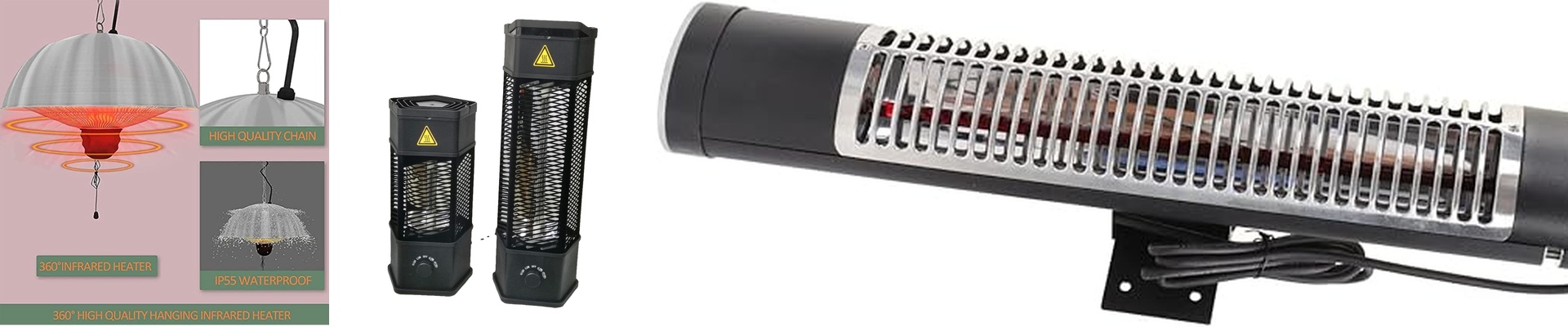


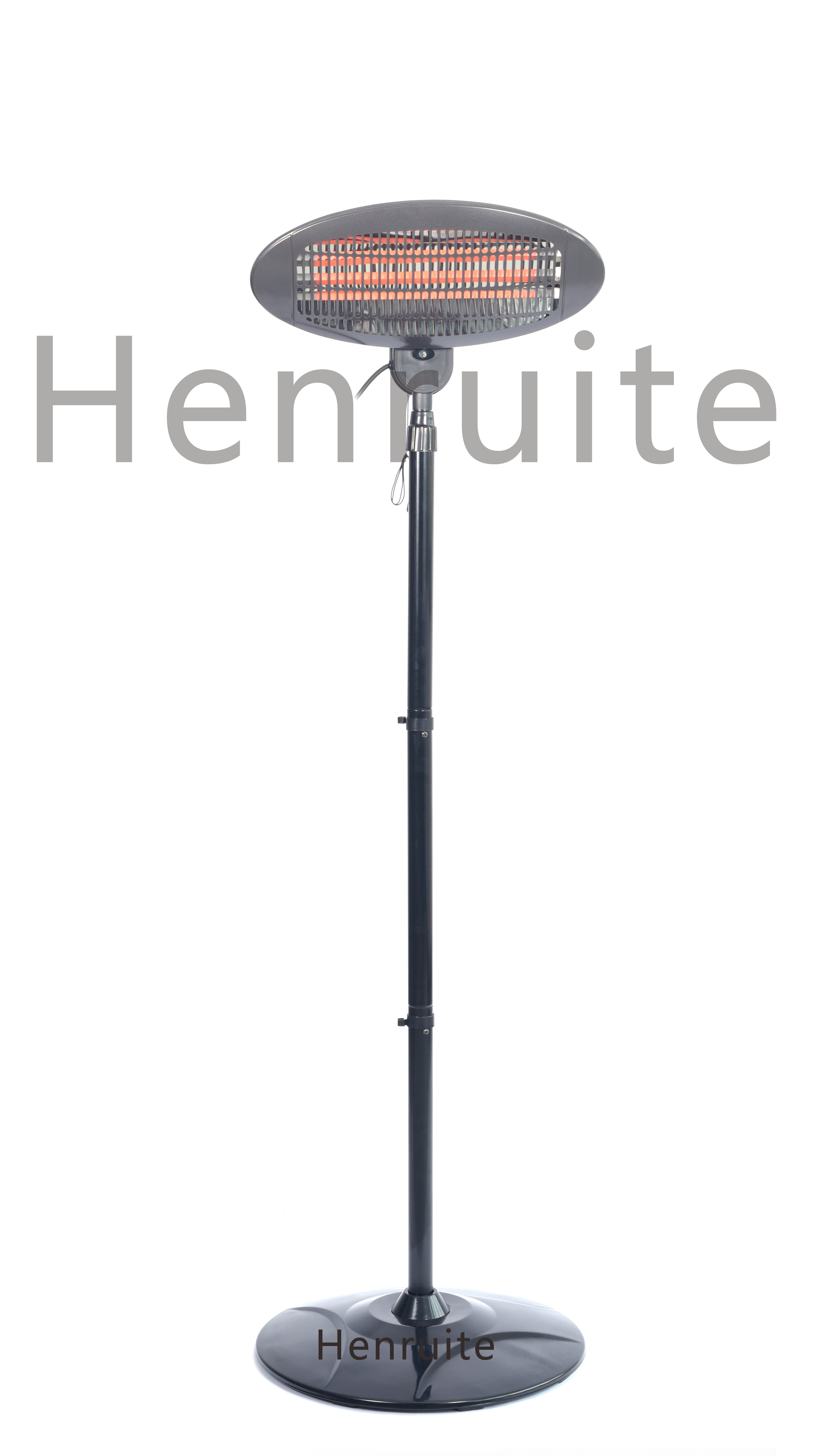
Out in the shop, we sweat the small stuff. I remember chasing a 0.1mm variance in gold coating thickness because, with infrared heating, that thin band sets the spectrum and how evenly the warmth lands. That same mindset now lives under your desk: a personal infrared heater built for steady, focused comfort without the fuss. What matters under the hood We run a quartz-based infrared element tuned for near-instant radiant heat, paired with a low-profile reflector to shape the beam and cut glare. It pulls 400–800W from a standard outlet, so it won’t trip a typical circuit. A built-in thermostat keeps output steady, and tip-over protection shuts the unit off if it gets bumped. The housing stays cool to the touch, and the footprint is small enough to sit beside a keyboard without crowding your workspace. Here’s why it works at a desk. When you need to keep your hands moving, waiting on ambient air heat gets in the way. Infrared warms you directly—your desk-side air stays calm, and your focus stays intact. The payoff is consistent comfort that helps steady circulation and eases the stiffness that creeps in after long sessions. For engineers, designers, and students, that means fewer little interruptions, less repositioning, and a steadier pace through the day. It only draws power when needed, so you get warmth without watching the meter. A few things to keep straight. This is a radiant solution, not a room heater. It warms the person and the immediate surfaces in its path; air temperature a few feet away may not shift much. For the best feel, set it 24–36 inches from your torso and tweak the angle until the warmth is even. Keep the unit clear of papers and cords, and don’t run it in damp spots unless the model is rated for it.