Why we put our bathroom lamps through the “steam torture test”
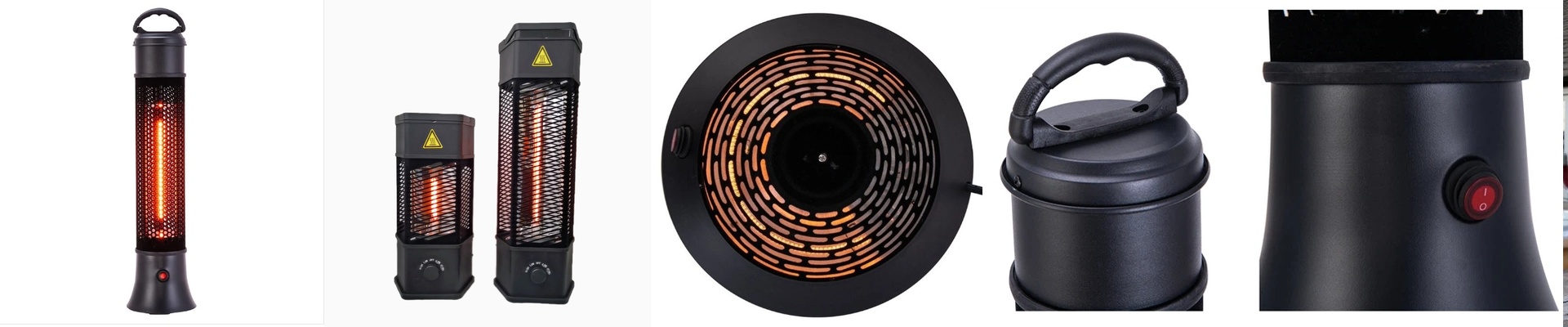
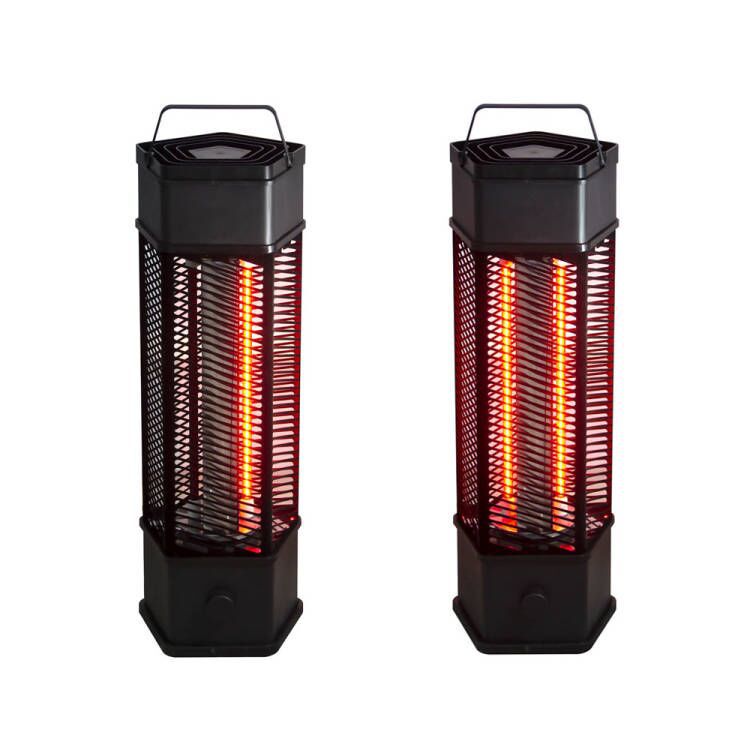
Let’s be honest: bathrooms are a nightmare for electronics. You’ve got thick steam, crazy temperature jumps, and humidity that just hangs in the air. If we just tested these lamps in a dry, comfortable lab and called it a day, they’d be dead within a few weeks of hitting a real bathroom. Nobody wants to deal with a burnt-out heater two weeks after installing it. That’s why we put every single batch through damp-heat aging tests. The battle against moisture Here is how it actually works. Most of these infrared lamps use a tungsten filament inside a quartz tube. The glass itself is tough, but the real trouble starts where the wires enter the tube. In a steamy bathroom, water vapor finds its way into those seals. Once that moisture touches a white-hot filament, things go south fast. It causes oxidation, which thins out the wire and creates hot spots. Eventually? Pop. The lamp is gone. To stop this, we throw our lamps into chambers that push heat and humidity to the absolute limit. We aren’t chasing some theoretical ideal. We just want to find exactly where the seal gives up so we can make sure it doesn’t happen in your ceiling. It’s not just about the bulb Moisture is sneaky. It doesn’t just kill the filament; it messes with the electrical contacts too. While we’re aging the lamps, we’re constantly checking for leakage currents. If a seal is sloppy, moisture creeps into the base. That’s how you end up with a short circuit or a tripped breaker in the middle of a shower. Not a great experience. The trade-off Now, making a seal this airtight isn’t free. Using higher-grade quartz and tighter seals bumps up the cost. It also means these tubes are rigid. You can’t really bend them during installation without risking a crack. But honestly, that’s a trade we’re happy to make. I’d much rather have a lamp that’s a bit stiffer to install than one that dies the second the hot water turns on. Better to have a rigid seal and a lamp that actually lasts.