
Why we put our heaters through “the torture chamber”
If you’ve ever put an infrared heater in a bathroom or on a patio, you know it’s a brutal environment. One minute it’s steaming hot and humid, the next it’s bone-dry and cold. That constant switching makes materials expand and shrink. It’s a recipe for disaster. If a seal slips even a tiny bit, moisture creeps in, hits the electrical contacts, and—pop—your heater is a paperweight.
The problem with “ratings”
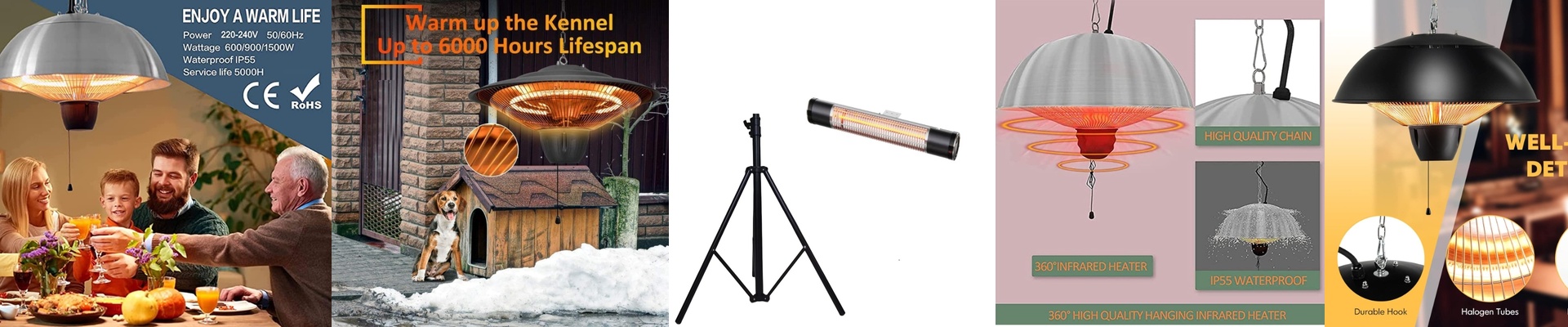
You’ll see “IP55” on the box. That basically means the housing can handle dust and a bit of a water spray. But here’s the thing: a static rating doesn’t tell you how a product will actually hold up after two years in a real home. That’s why we don’t just trust the spec sheet. We put every batch through damp-heat aging tests. We basically lock the heaters in a high-humidity chamber and force moisture into every single crack and gap we can find. It’s an intentional stress test. We’re hunting for oxidation on the terminals or insulation that’s starting to flake. I’d much rather find a leaky gasket in our lab than have a customer find it in their shower.
Dealing with the heat
Infrared lamps get incredibly hot. When you place that intense heat right next to cold, damp air, you get a massive temperature swing. We use these tests to make sure the housing doesn’t warp under the pressure. If the frame bends, the seal breaks. Simple as that. We aren’t chasing some impossible version of “perfection.” We’re chasing reliability. We want to know, with total confidence, that the wiring isn’t going to corrode and short out after six months of heavy steam.
The balancing act
Designing these things is a bit of a tug-of-war. If we seal the unit too tight to keep the moisture out, the internal driver can’t breathe and it overheats. But if we leave it too open for airflow, the humidity kills the circuit board. It’s a delicate balance. These aging tests are the only way we can find that sweet spot where the electronics stay cool, but the water stays out.