
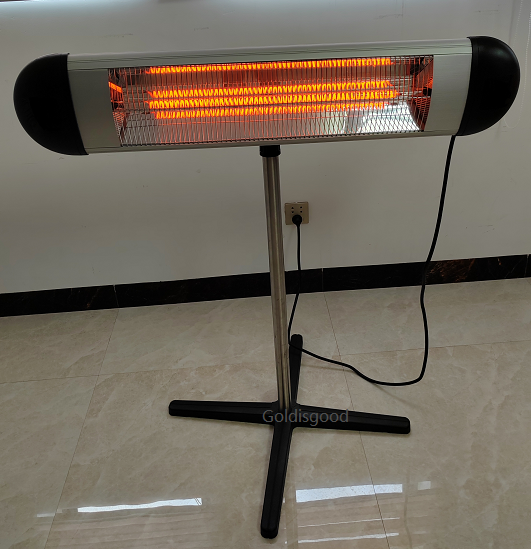
Keeping Your Bathroom Infrared Heaters Safe (And Not Dangerous)
Putting infrared heaters in a bathroom is a bit like playing with fire—literally and electrically. You’ve got steam everywhere and water splashing around. In a place like that, a basic heater isn’t just a bad choice; it’s a risk. You need a setup that keeps the electricity where it belongs and doesn’t turn the heater’s frame into a shock hazard. The problem with steam Here is the thing about water vapor: it gets into everything. It sneaks through standard housings and settles right on the electrical terminals. Once that happens, you’ve basically built a bridge for electricity to jump from the live wire straight to the metal frame. To stop this, we don’t just “seal” it. We use high-temp silicone potting or epoxy resin to completely bury those connections. It creates a physical wall that blocks water from ever touching the wire-to-lamp interface. Picking the right parts If you want a heater that actually survives a wet zone, you can’t cut corners on the materials. We use EPDM rubber for the gaskets. Why? Because the heat from a quartz lamp will chew through cheaper rubber in no time. The wiring needs a bit of extra love, too. We wrap silicone-insulated leads in braided fiberglass sleeves. It keeps the wires from melting or burning out when they’re pressed against a scorching hot housing. The balancing act Now, here’s the tricky part. If you seal a unit too tight to keep the water out, you trap all the heat inside. The internal temperature spikes, and suddenly your wiring starts to melt or your lamp burns out way too early. It’s a tug-of-war. You have to find that sweet spot where the unit is sealed enough to be safe, but still has a heat-sink or a vented chassis that lets the unit breathe without letting droplets in. And please, for the love of everything, wire it into a dedicated GFCI breaker. Even if your insulation is perfect, a GFCI is your safety net. It’s the only thing that will kill the power the second it senses a leak.