
Keeping Things Safe When You Put Infrared Heaters in Wet Zones
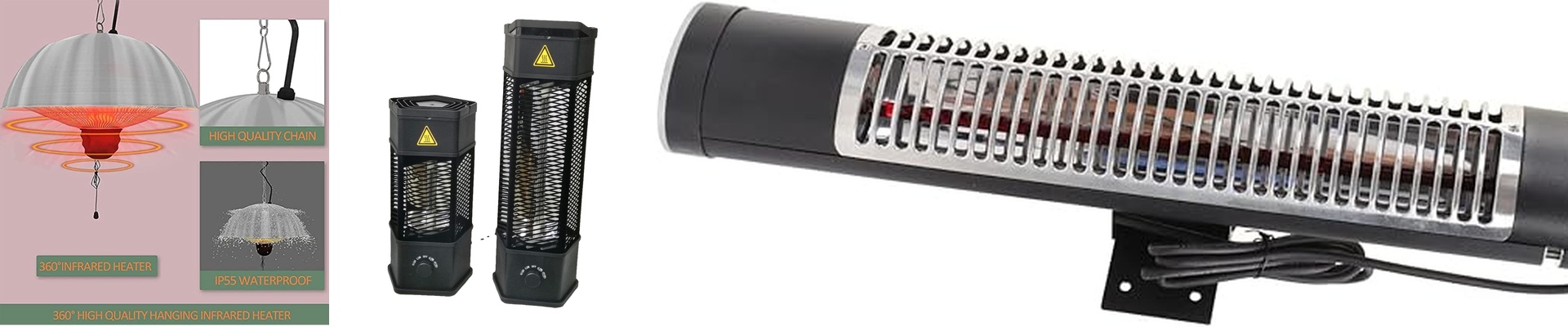
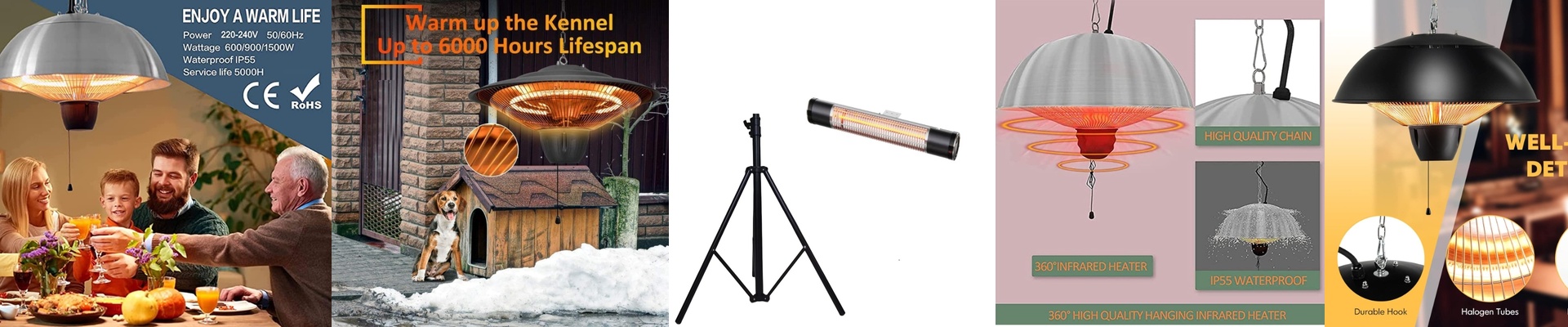
If you’re putting infrared lamps in a bathroom or outside, a “waterproof” shell isn’t enough. You’ve got high-wattage heat on one side and steam or splashing water on the other. That’s a dangerous mix. To actually hit an IP66 rating, the real battle happens where the power supply meets the quartz tube. That’s where things usually go wrong. The problem with steam Here’s the thing about water vapor: it finds a way in. It creeps through housings using capillary action, and once that moisture hits the terminals, you get “tracking.” Basically, the electricity starts leaking across the insulator. We stop that by using high-dielectric ceramic insulators and tight gaskets at the lamp bases. It keeps the power where it belongs—inside the wire—even if you’re hitting the unit with a water jet. The gear that actually works We don’t mess around with the wiring. We use sealed cable glands and IP66-rated junction boxes so moisture can’t crawl its way back into the system. Now, we usually go with shortwave halogen tubes. They heat up fast, which is exactly what you want in a chilly bathroom. But there’s a catch: they get incredibly hot. Cheap seals will just crack and fail under that kind of heat. That’s why we use high-temperature silicone gaskets. They can handle the constant heating and cooling without giving up. The balancing act There’s a bit of a trade-off here. A perfectly sealed IP66 box is great for keeping water out, but it’s basically an oven. If you cram too much wattage into a tiny space, you’ll cook your own components. You have to find the sweet spot between a tight seal and letting the heat escape. If you’re using a high-wattage lamp, the mounting bracket needs to act as a heat sink, or you need enough internal air space so the wire insulation doesn’t just melt. And please, for the love of everything, wire it up with a dedicated GFCI. The IP66 rating keeps the water out, but the GFCI is there to save your skin if something goes sideways.