Getting Your Poultry Heating Smart (Without the Headaches)
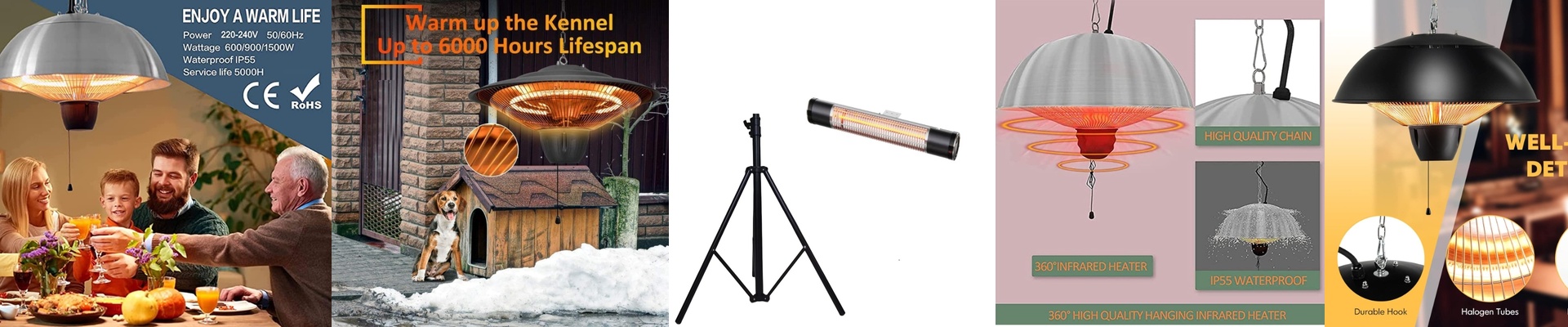
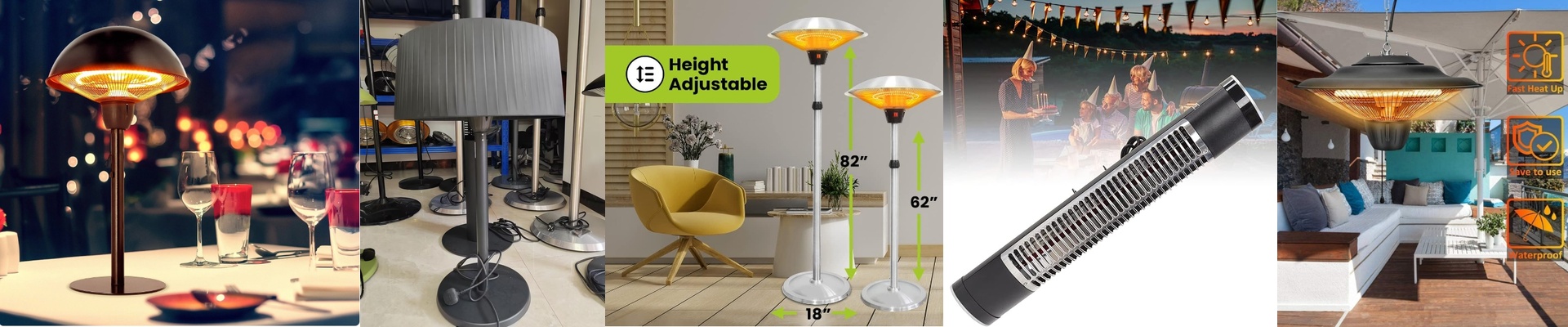
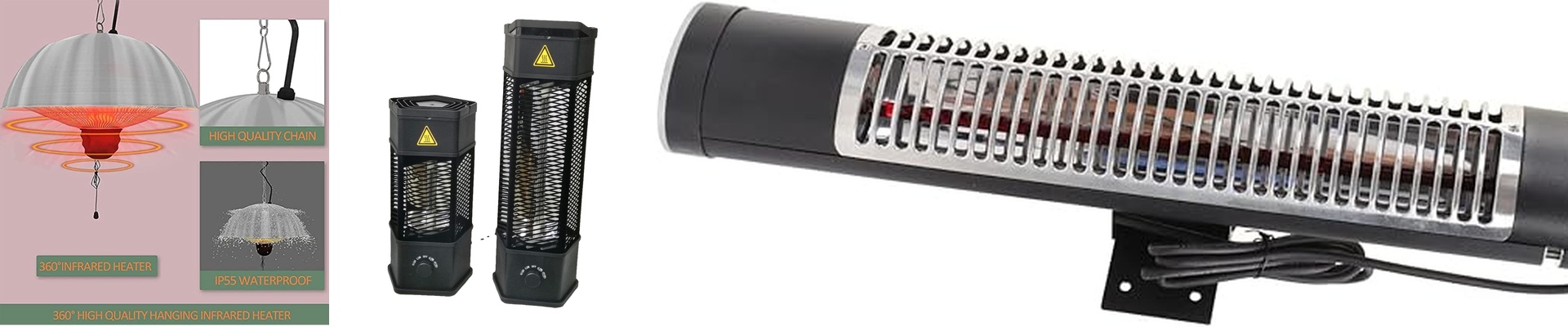
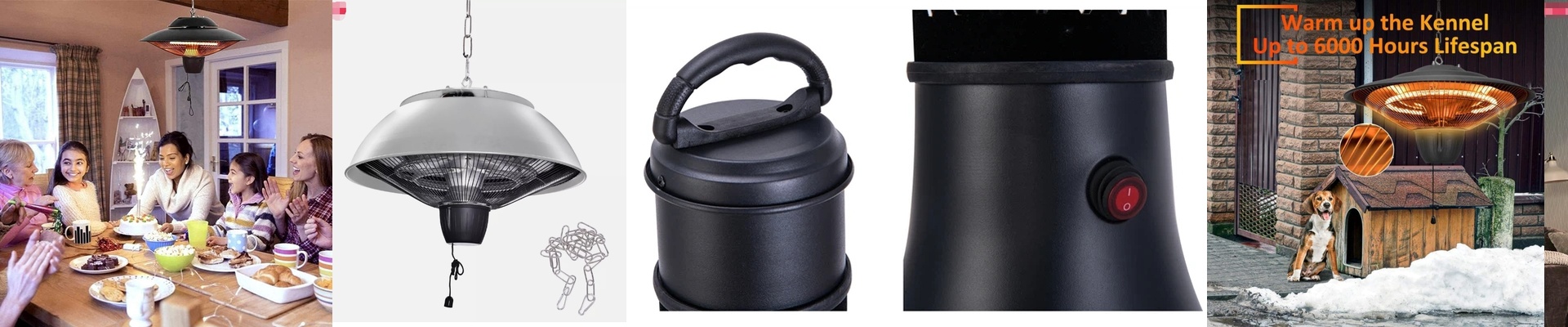
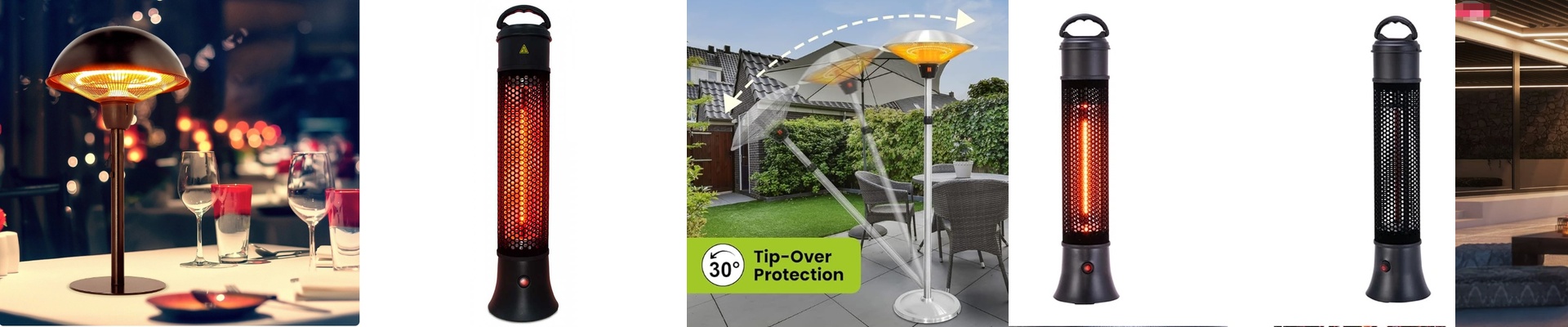
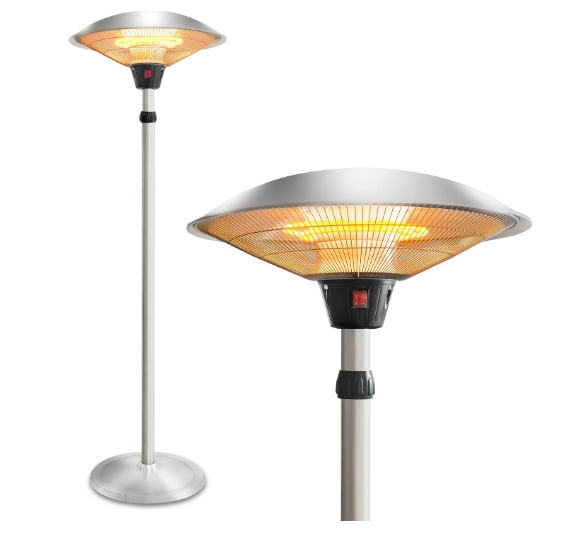
Let’s be honest: chicken coops are brutal on equipment. Between the humidity, the dust, and the occasional spray-down, most electronics just give up. That’s why we build our infrared heaters to be waterproof. We use short-wave infrared tech, which is a fancy way of saying it heats the birds and the floor directly. It’s not like those forced-air systems that just blow warm air around the room while the floor stays ice-cold. This is direct, cozy heat.
Making it “Smart”
Now, here is where it gets interesting. If you hook these heaters up to a smart home or an IoT gateway, you stop guessing about your thermal loads. We usually use Wi-Fi or Zigbee relays to link the heater to a central controller. This means you can trigger the heat from an app on your phone or just set a schedule and forget it. The best part? The moment you hit “on,” the filament glows. No waiting around for the air to warm up. It’s instant.
The Gear You Actually Need
If you’re setting this up, listen closely:don’t skimp on the relay. These heaters pull a lot of power. If you try to use a cheap, undersized smart switch, the contacts will likely weld shut or just burn out completely. It’s a mess. The way we do it is by using a heavy-duty contactor. The smart switch just tells the contactor to flip, and the contactor handles the heavy lifting of the electrical load. And about the water… it’s a non-negotiable. We use IP65-rated housings because moisture is everywhere in a coop. We also seal the heating elements in quartz glass so they don’t corrode and die after a few months.
The “What If” Factor
Remote control is great, but relying 100% on the cloud is a gamble. If your internet goes down in the middle of a cold snap, your birds are in trouble. We don’t do that. We always build in a local hardware override. By wiring a physical thermostat in series with the smart relay, you get a safety net. Even if the app glitches or the Wi-Fi cuts out, the heater will automatically shut off once the coop hits 25°C. You get the luxury of starting the heat from your living room, but the peace of mind knowing the birds won’t overheat if the tech fails.