
Making Recessed Infrared Ceiling Heaters Actually Work
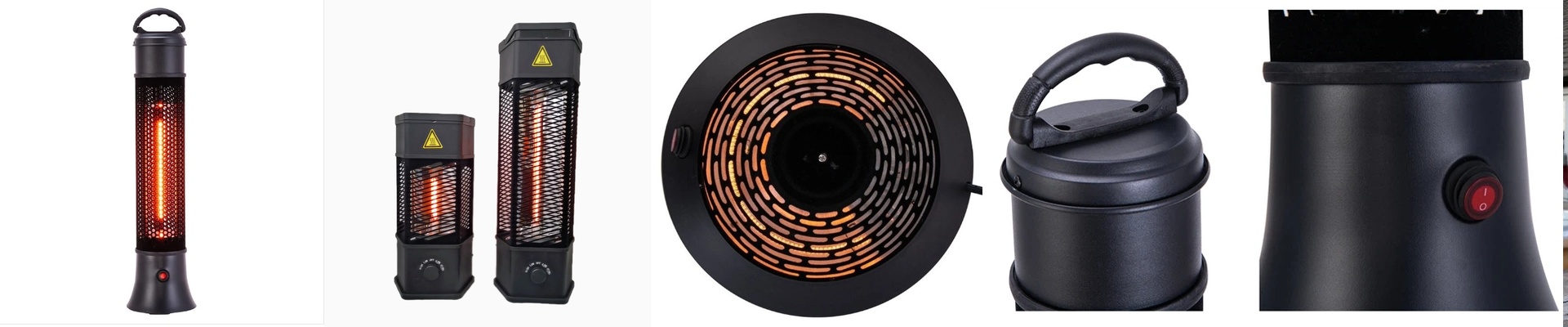
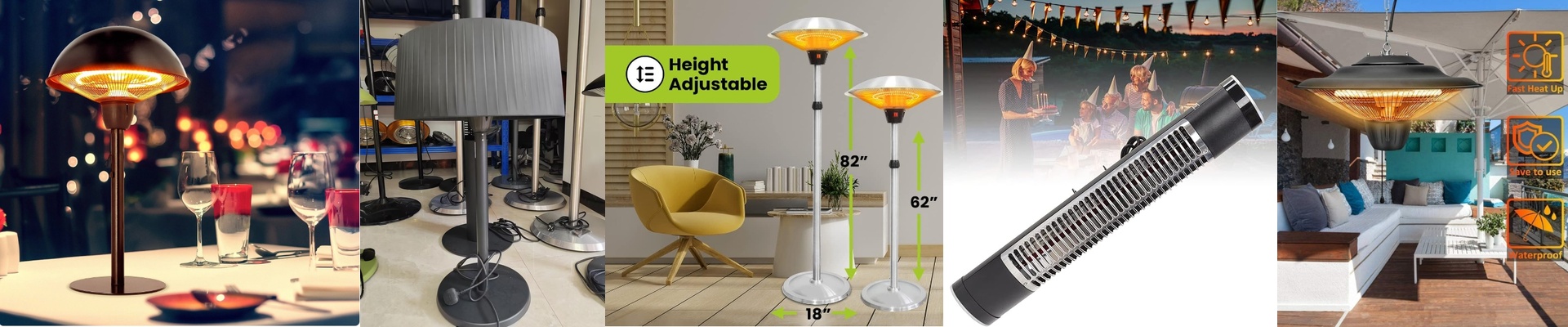
Ever walked into a freezing changing room and felt that instant wave of warmth hit you? That’s not magic. It’s just how infrared works. Most heating systems try to warm up the air, which is a slow process. These ceiling units do things differently. They send heat straight to you and the floor around you. No waiting around for the air to warm up and sink.
Why it feels so fast
We use short-wave emitters for these setups. Long-wave systems take a while to get going, but short-wave lamps hit their peak temperature almost the second you flip the switch. The energy moves in a straight line. When it hits your skin or the ground, it turns into heat. It’s direct. It’s immediate.
The trick to getting the height right
Tucking the heater into the ceiling is great because it stays out of the way and nobody can bump into it. But you have to be careful with the power. A high-wattage lamp feels like a luxury—that “instant cozy” feeling—but it creates a very intense heat zone. If you mount them too low, you’re going to bake whoever is standing right under the lamp. You’ve got to find that sweet spot where it’s warm, but not oppressive.
The boring (but important) installation stuff
We design these so you can swap them out quickly. We use standard connectors, so if an element burns out, you just pop it out and put a new one in. You don’t have to tear down the whole ceiling. One heads-up: recessed housings trap more heat than the ones you bolt to a wall. Make sure you’ve got plenty of ventilation or some solid heat-resistant insulation. Otherwise, you might end up scorching your ceiling materials over time. And please, put these on a dedicated circuit. These units pull a lot of power the moment they kick on. If your wiring is too thin, you’ll get voltage drops and the heat just won’t be there.