Stop Fighting the Cold in Your Changing Rooms
If you’ve ever stepped into an industrial locker room or a gym changing area, you know the struggle. You’ve got these massive ceilings and doors that never seem to stay shut. You crank up the heat, but it doesn’t matter. The warm air just floats up to the rafters or blows right out the door, leaving everyone shivering on the floor. Standard heaters just can’t keep up. That’s why we stop trying to heat the air and just heat the people.
How it actually works
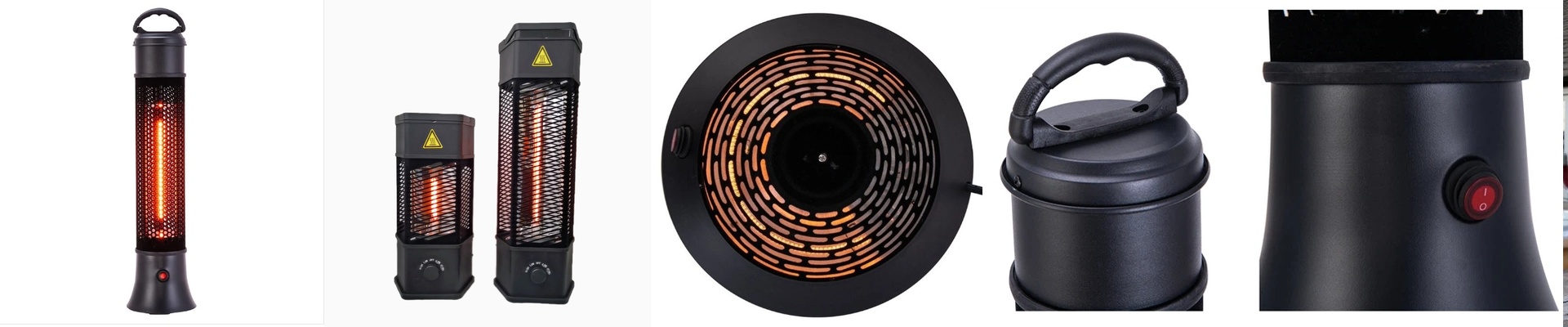
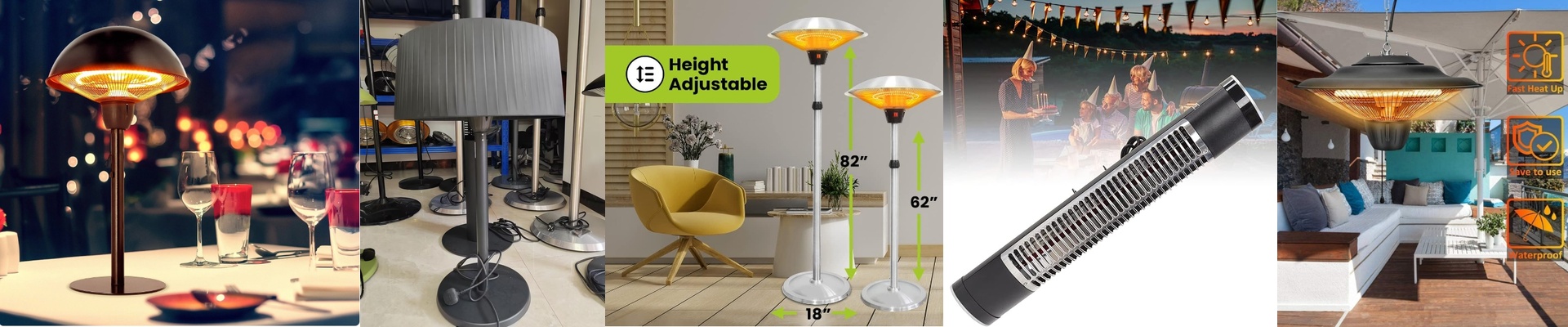
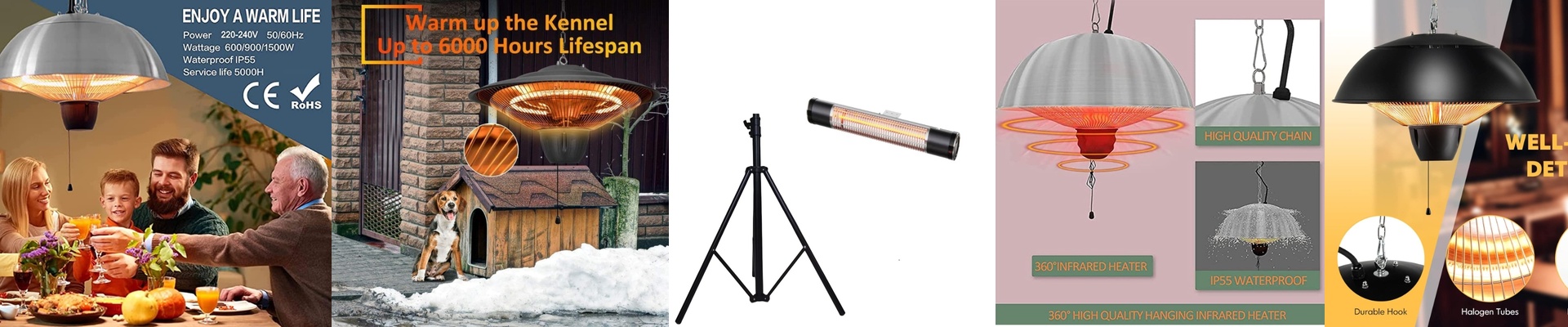
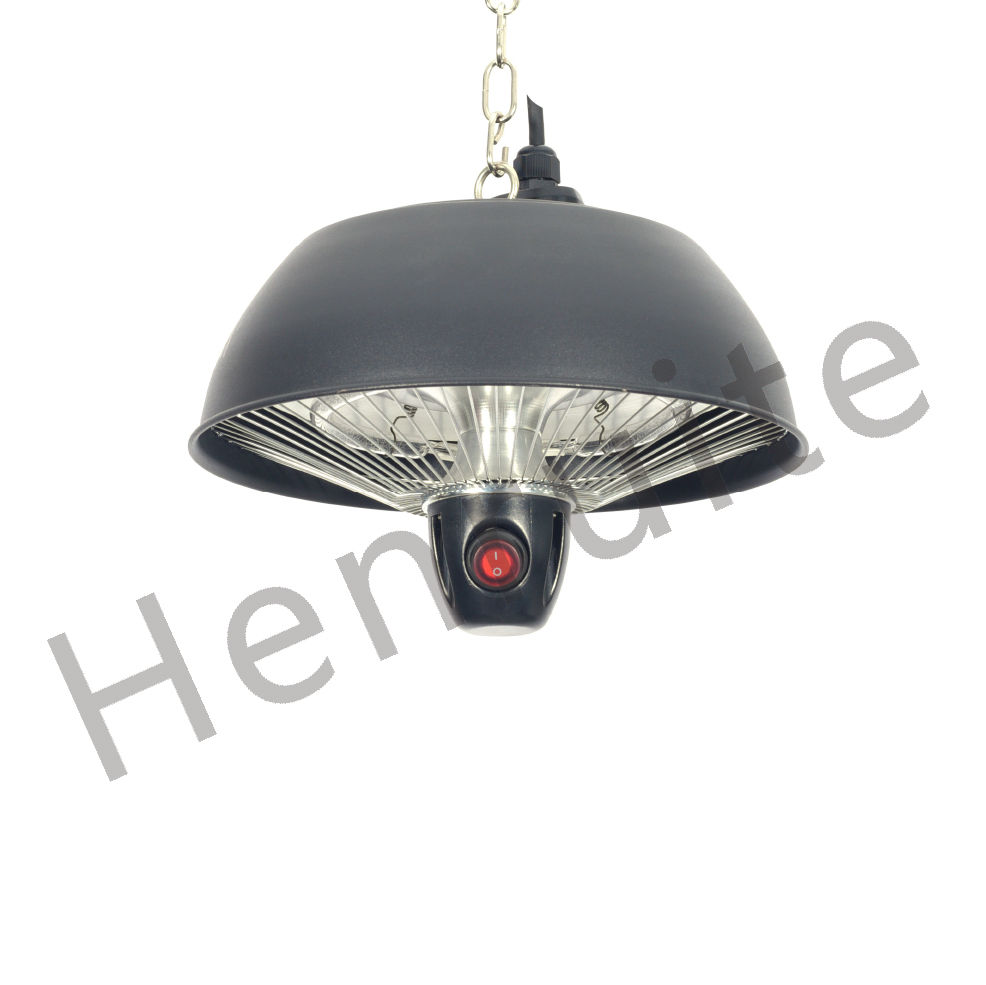
We use ceiling-mounted infrared heaters. Instead of warming the room, these units send out waves of energy that hit you—and your clothes—directly. It’s nearly instant. The second you step under one, you feel it. No waiting for the room to “warm up” while you’re freezing in your socks. We focus all that energy on the “occupied zone”—basically the first six feet off the ground—so you aren’t paying to heat a ceiling you can’t even touch.
Picking your gear
Most of the time, we go with quartz halogen elements. They’ve got the muscle needed to warm up a big space fast. You’ve got two main choices here. You can go with medium-wave if you want the heat to soak in a bit deeper, or short-wave if you just want that immediate “hit” of warmth on the surface. One heads-up: these things pull a lot of power. If you’re putting in a row of 2kW heaters, don’t just plug them in and hope for the best. You need to make sure your wiring and breakers can handle a heavy, constant load. Otherwise, you’ll be spending your afternoon resetting tripped breakers.
The reality of installation
You can’t just slap these on the ceiling and call it a day. You have to be smart about the angles, or you’ll end up with “cold spots” where people are still shivering. We usually suggest a staggered grid. And remember: infrared is line-of-sight. It’s like a flashlight. If a big locker or a structural beam is in the way, the heat stops there. That spot stays ice cold. Do yourself a favor and map out exactly where people will be standing before you start drilling holes. It saves a lot of headaches later.