Putting Infrared Heaters in the Bathroom: Let’s Talk Safety
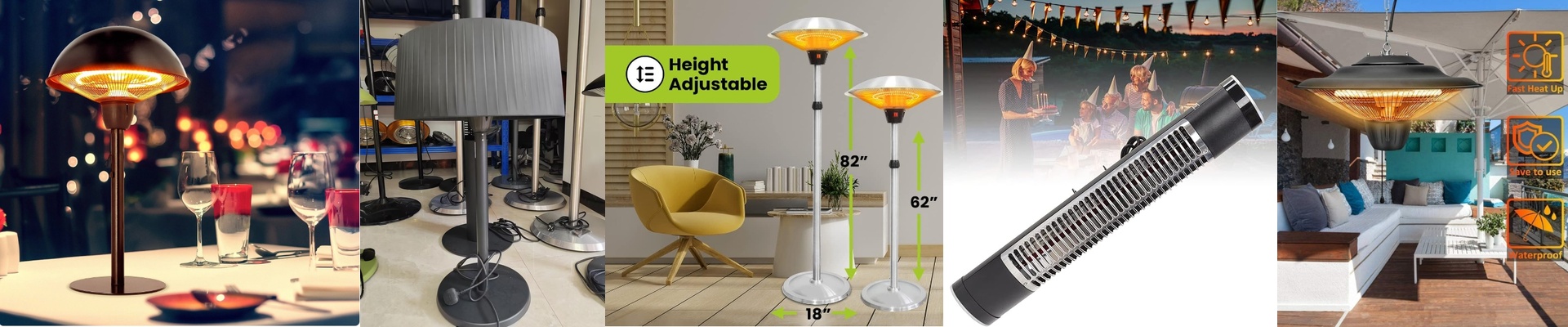
Putting a heating lamp in a bathroom is a bit like playing with fire—literally and electrically. You’ve got steam everywhere and the constant risk of a stray splash of water. That’s a recipe for a short circuit or a nasty ground fault if you aren’t careful. To keep things safe, you can’t just throw any heater in there. You need a solid IP65-rated housing and the right kind of insulation.
The IP65 Shield (And What’s Actually Inside)
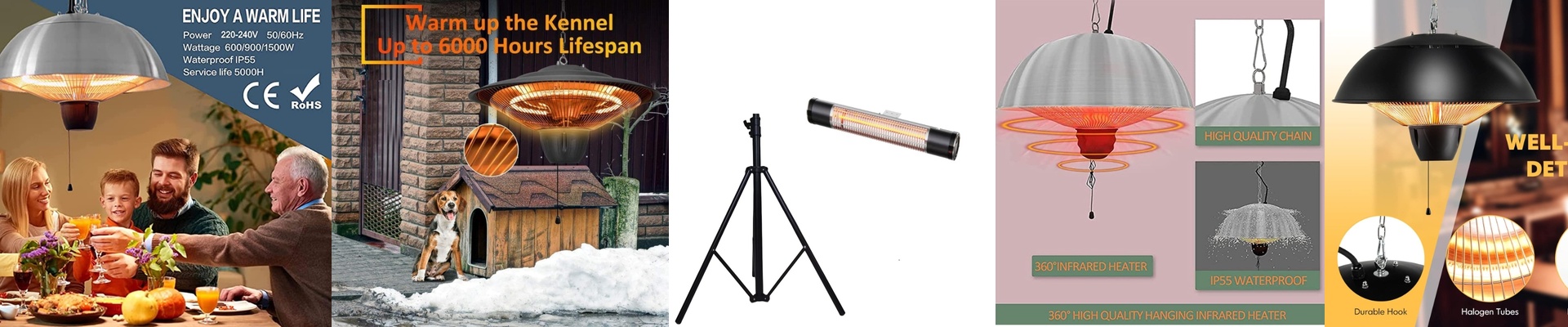
When you see “IP65,” it basically means the unit is dust-tight and can handle a blast of water without blinking. We use heavy-duty gaskets and sealed cable entries to make sure moisture never even gets close to the live terminals. But the box is only half the battle. Inside, the lamp itself needs to be totally isolated. We use high-temp ceramic insulators and reinforced silica sleeves to keep the current exactly where it belongs: in the filament. If you try to use a standard lamp without this stuff, moisture can bridge the gap between the element and the chassis. Then? Your breaker trips, and you’re left in the cold.
Dealing with Steam and Heat Stress
Here’s the thing: water doesn’t just splash. It lingers. When the heater clicks off, the temperature drops fast, and all that ambient moisture settles right on the electrical contacts. It’s a recipe for corrosion. That’s why we use gold-plated or nickel-coated connectors. They just hold up better against that constant cycle of heating and cooling. Plus, there’s the heat itself. Since the unit is sealed to keep water out, the heat gets trapped. It’s a trade-off. If you use cheap wiring, the insulation will crack or melt over time. We stick with silicone-jacketed wiring rated for 200°C so it can handle the expansion and contraction without breaking a sweat.
A Couple of Pro Tips for Installation
Because an IP65 system is so tightly sealed, the internal parts run a bit hotter than they would in an open-air setup. It’s just the nature of the beast. One last thing to watch out for: the startup current. Infrared lamps can pull a lot of power the second they kick on. Make sure your circuit breaker is spec’d correctly for that initial surge, or you’ll spend your morning resetting the power every time you want a warm bathroom.