Why You Should Ditch the Old Lamp Warmers for High-IP Infrared Heaters
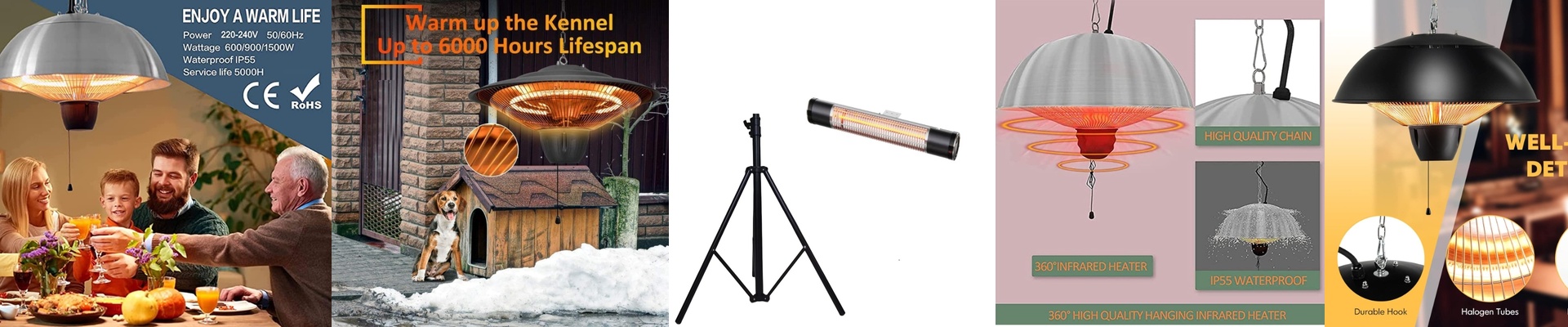
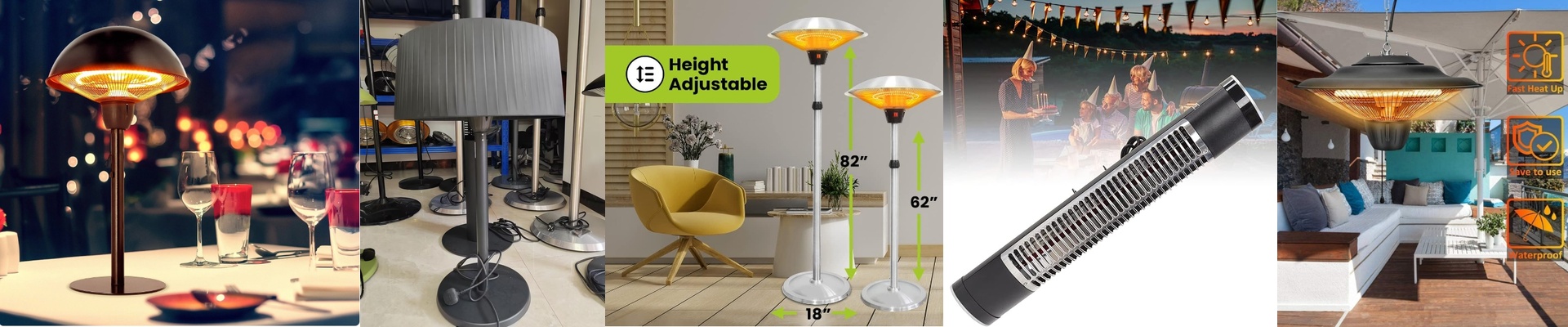
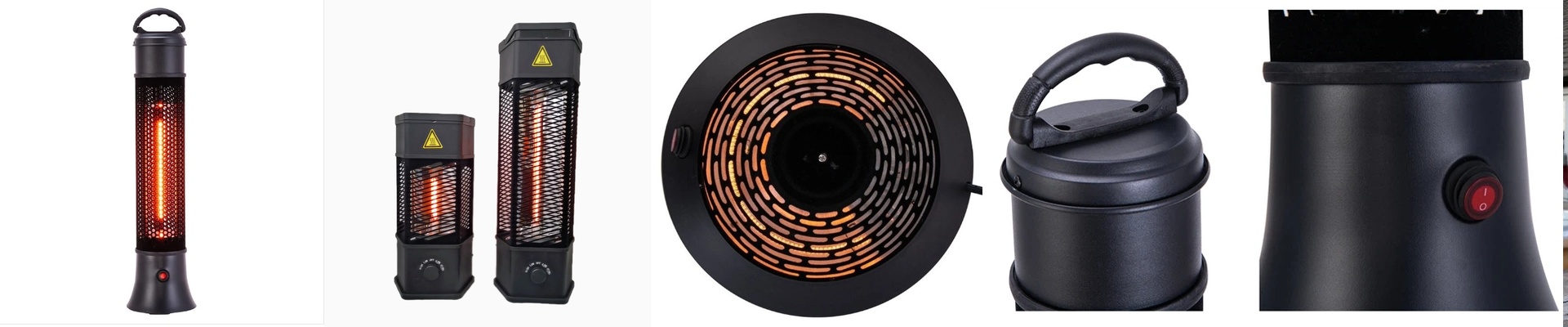
Let’s be honest: those old-school lamp heaters usually struggle the second things get damp. If you’ve ever used one in a steamy bathroom or a foggy gazebo, you know the drill. Water droplets get where they shouldn’t, things start flickering, and eventually, the whole thing just gives up. That’s why we’re seeing everyone move toward 1500W ceiling-mounted infrared heaters with high waterproof ratings. They just handle the moisture without burning out. The magic of 1500W Why 1500W? Because if you’re standing in a tiled bathroom or an open-air gazebo, you need heat that actually hits you. Most heaters try to warm up the air, but in a drafty spot, that warm air just floats away. Infrared is different. It goes straight for the target—you. You feel the warmth the second you flip the switch. We stuck with 1500W because it’s the sweet spot. It heats up fast, but it won’t blow your residential circuit breakers the moment you turn it on. Actually staying dry The problem with cheap heaters is the “open” design. In a bathroom, that’s basically asking for trouble. The better units use sealed quartz tubes and housings that are actually rated for water. We use specific gaskets and coatings that keep the moisture away from the electrical bits. No more annoying flickering. No more wondering if the heater is about to die mid-shower. A few things to watch out for during install Here’s the thing: you can’t just plug a 1500W unit into a cheap power strip and hope for the best. You’ll trip the breaker in no time. These need their own dedicated circuit to run safely. The good news? They’re compact. You can usually swap out an old fixture for one of these without any drama. One last tip: because these units are sealed so tightly to keep water out, they can get pretty hot on the inside. Just make sure your ceiling can handle the heat. If you’re worried about scorching the mounting surface, just toss in a thermal spacer. It’s a simple fix that saves you a lot of headache later.