


Why Fast-Response Infrared is the Way to Go for Online Glass Annealing
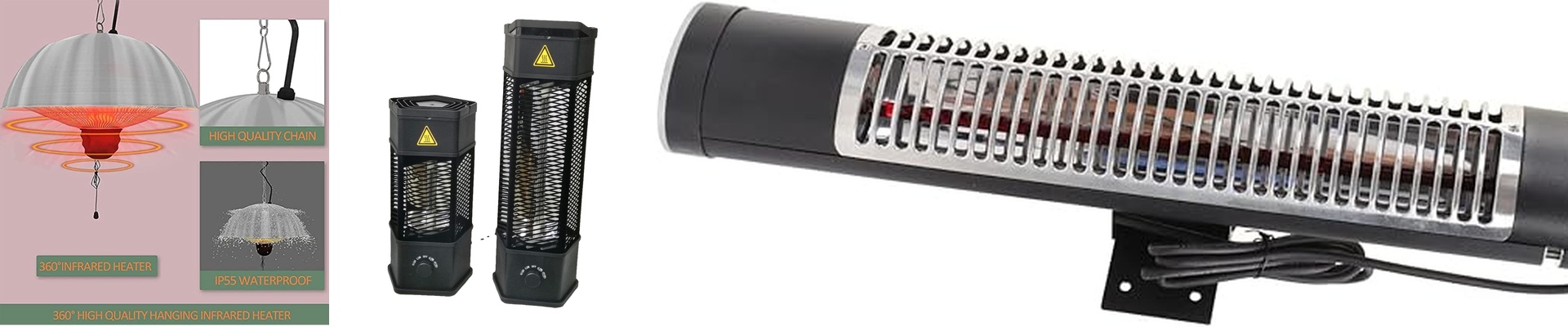
If you’re running a glass production line, you know the drill. You can’t just hit “pause” and wait for a giant oven to warm up. Every second the conveyor stops is money leaking out of the building. When you need to get rid of those internal stresses without killing your momentum, you need heat that hits the glass now. That’s where shortwave infrared (SWIR) lamps come in. Instead of wasting time heating up the air around the glass, these lamps beam energy directly into the material. It’s direct. It’s fast.
The magic of a quick response
Think about a conventional heating element. It takes forever to reach the temperature you actually need. But these shortwave lamps? They hit full power in a few seconds. This gives you a lot of freedom. You can set up different zones along your line. If a thicker piece of glass comes through, you crank the heat. When a thinner piece follows, you drop it instantly. No over-heating, no warping, and no guessing games.
Dealing with the raw power
To get annealing done while the glass is moving, you need a ton of power packed into a small space. We use high-voltage quartz tubes to push a massive amount of energy right into the surface of the glass. This creates the kind of sharp heat jump you need to relieve stress quickly. But here’s a heads-up: this much energy creates a lot of ambient heat. You’ve got to get your cooling and venting right. If you don’t, you’ll end up frying your sensors or warping the frames holding the lamps. It’s a simple fix, but it’s one you can’t afford to skip.
Keeping the line moving
The best part is that you can finally ditch the “stop-and-heat” batch process. It just becomes a continuous flow. Since the lamps react instantly to your PLC triggers, the heat profile shifts in real-time as your line speed changes. And let’s be honest, things break. When a lamp eventually goes out, you don’t have to spend hours recalibrating a whole oven. You just pop the old tube out, drop a new one in, and you’re back in business. It keeps the downtime low and the output steady. Simple as that.