


Why you should ditch those old bathroom lamp heaters for infrared
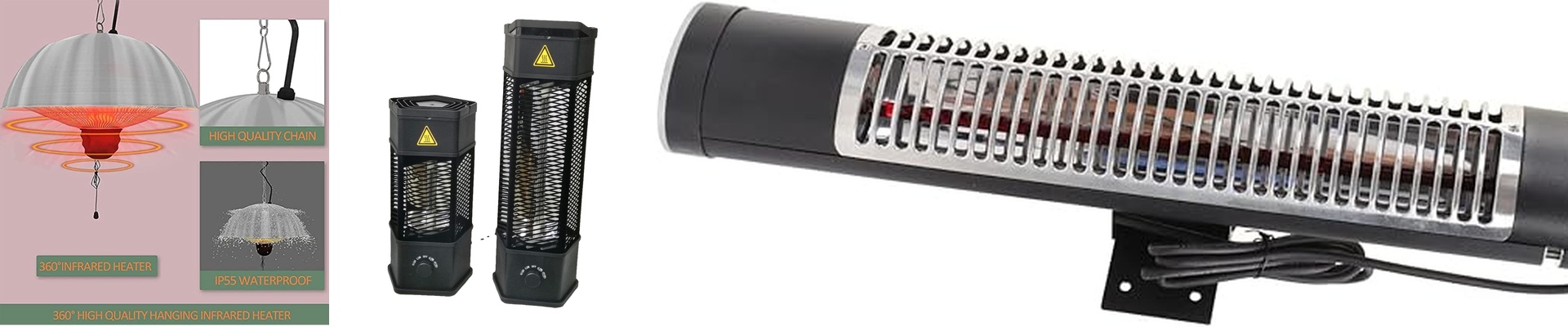
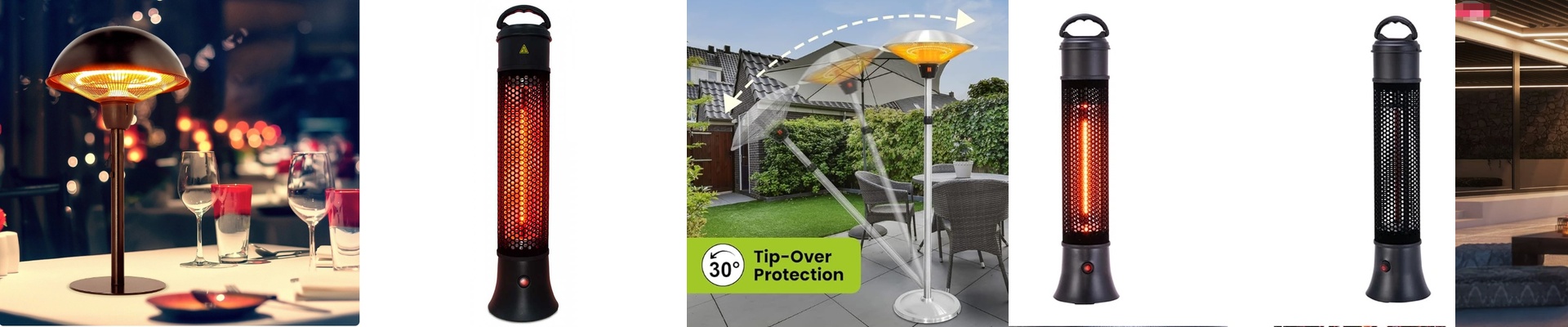
We’ve all been there. You step out of a steaming hot shower, only to be hit by a blast of freezing air the second you move away from the water. Those old-school “lamp heaters” with the glowing quartz tubes? They’re kind of a joke. They break the moment a bit of steam or a stray splash hits them, and honestly, they just don’t do the job. That’s why more people are switching to high-waterproof infrared wall heaters. They actually handle the humidity without shorting out or rusting away in a couple of years. The difference in how you actually feel the heat Here is the thing about traditional heaters: they try to warm up the air. But warm air is lazy—it just floats straight to the ceiling. You end up with a hot ceiling and freezing toes. Infrared is different. It doesn’t bother with the air. Instead, it sends out waves of heat that travel in a straight line until they hit something—like your skin or the bathroom floor. You feel it instantly. Even if there’s a draft in the room, you’re still warm. It’s a much more “instant” kind of comfort. Keeping the water out Bathrooms are brutal on electronics. If a heater isn’t built for it, the moisture just eats through the wiring in a few seasons. To stop that from happening, we seal the heating elements behind tempered glass or tough polymers. We also use reinforced gaskets and sealed cable entries. It basically creates a fortress around the electricity. The best part? You won’t have to keep running to the electrical panel to flip your GFCI breaker every time someone takes a long, steamy shower. Getting it on the wall If you’ve already got wall-mounted fixtures, these are pretty easy to swap in. You just wire them into your existing circuit, as long as your amperage can handle the load. But a quick heads-up: because these heaters are so powerful, they create a lot of intense, localized heat. If you mount them too low or put them too close to something that could burn, you might actually scorch your wall. Just double-check the wattage and give the unit some breathing room to keep everything safe.