

The Real Struggle with Glass Annealing
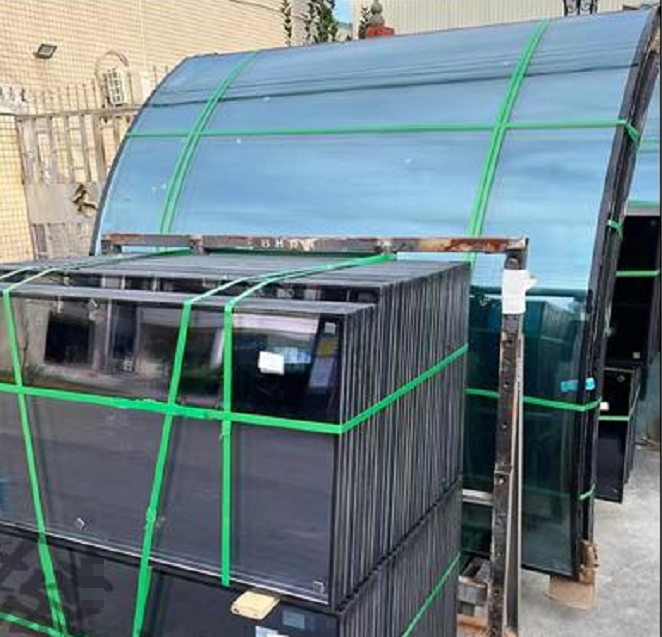
Here is the truth: buying a bunch of infrared lamps isn’t the same thing as actually getting your glass to heat evenly. In this business, a tiny 5°C difference across a sheet is all it takes to create internal stress. Then, snap. The glass breaks. We see it all the time—plants spend a fortune on high-wattage lamps, only to end up with “hot spots” that turn perfectly good product into scrap. That’s why we stopped just selling parts. It doesn’t help you. Instead, we get on your floor and do the actual thermal diagnostics.
Getting the Heat Right
Getting a uniform soak requires more than just cranking up the power. We spend our time obsessing over how the infrared curves overlap. If your lamp spacing is off by just a few millimeters? You’ve got cold zones. Simple as that. We use specific reflector shapes to push that short-wave radiation back into the glass. It saves energy, sure, but it also creates a massive amount of ambient heat. If your cooling blowers aren’t sized right, your lamp housings will warp or your electronics will just fry.
Why We Need to See Your Floor
A datasheet is just a piece of paper. It can’t tell us how the draft in your factory is messing with your heat distribution. When we come visit, we’re looking for the stuff that actually breaks the process: **Thermal Lag.**We watch how the glass temperature reacts as it crawls through the tunnel. **Dirty Reflectors.**If they’re oxidized, you’re losing 15-20% of your efficiency right there. **Power Dips.**On those long electrical runs, voltage drops can leave some lamps weaker than others, giving you a patchy heat profile. We use pyrometers to map the whole thing out. Once we see where the system is lagging, we tweak the lamp angles or the power zoning until the heat is flat and consistent.
The Balancing Act
It’s tempting to just pump in more power to speed up the line. More speed equals more money, right? Not exactly. Pushing the power density too hard risks overheating the surface. You’re basically gambling with your scrap rate. We help you find that sweet spot—where the line moves as fast as possible without ruining the glass.