Why 0.1℃ Actually Matters for Lab Glass
Ever had a piece of lab glass just… shatter? No impact, no obvious reason, just a sudden crack. It’s a nightmare. Usually, it happens because of internal thermal stress that didn’t get sorted out during the annealing process. That’s why we’re obsessed with 0.1℃ precision.
The struggle with temperature swings
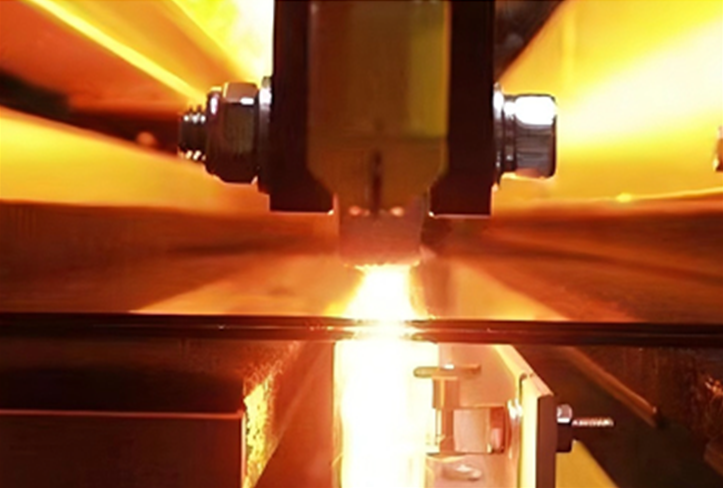
Most heaters are a bit clumsy. They overshoot the mark, then dip too low. In the world of high-end glass, a swing of just a few degrees is enough to leave “invisible” stress in the walls of your vessel. We use infrared emitters and high-frequency PID control to keep the temperature in a tiny, tight window. It stops that “thermal shock” from happening. By sitting exactly at the annealing point, the molecular structure of the glass gets to relax and stabilize without the whole thing warping.
The gear behind the heat
We don’t use convection ovens here. Those just move hot air around. Instead, we use quartz-halogen tech because infrared energy goes straight into the glass. It’s direct. It’s fast. The second a sensor picks up a 0.1℃ drift, the element reacts. One heads-up, though: this level of precision is hungry for clean power. If your voltage is jumping around, that 0.1℃ tolerance goes right out the window. You’ll want a dedicated stabilized power source, otherwise, the heaters will just drift.
Playing the long game with stress control
The real magic happens during the ramp-down. We program the heaters to let the temperature bleed off in tiny, minute increments. It’s a slow crawl. This ensures the inside and outside walls of the glass cool down at the exact same pace. Is it slow? Yeah. You’re definitely trading speed for reliability. But when you’re making high-end lab gear, that’s just the price of doing it right. It’s better to take the extra time now than to have a vessel fail in the field.