

Stop Fighting Your Oven: A Better Way to Handle Glass Annealing
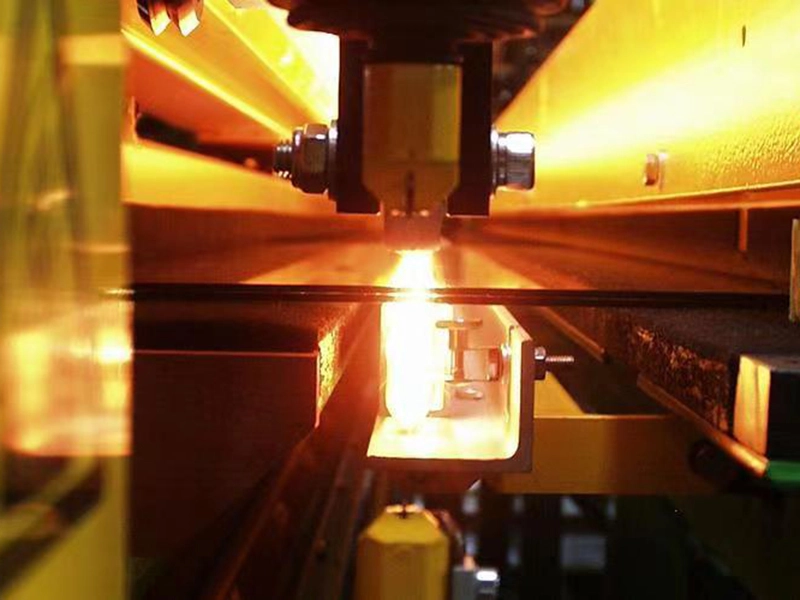
If you’ve ever worked with glass molding, you know the headache. You’re constantly balancing on a knife-edge trying to stop the glass from stressing or cracking, but your ovens just can’t keep up. They’re slow. They lag. It’s frustrating. That’s why we switched to shortwave infrared (SWIR) lamps for inline annealing. Instead of wasting time heating up all the air around the glass, these lamps shoot energy straight into the surface. You can keep your line moving fast without worrying about thermal shock ruining your batch. Speed that actually keeps up Here’s the thing about shortwave lamps: they hit hard and they hit fast. Unlike those old longwave heaters that take forever to warm up, SWIR radiation sinks into the glass almost instantly. This is huge because it means you can tweak your temperatures on the fly. If you speed up the line, you just bump up the power. If you go with a high-wattage quartz tube, the heat is there the second you flip the switch. No more waiting around for a convection system to “catch up.” Built for the grind We use high-purity quartz for the envelopes because, frankly, anything else would snap. These lamps go through brutal cycles of heating up and cooling down, and quartz can handle that stress without breaking a sweat. Inside, there’s a halogen cycle that keeps the filament from burning out too early. It basically lets the lamp work harder for longer. We also wire them with R7s or SK15 connectors. Why? Because industrial floors vibrate. A lot. You need a connection that stays put and won’t rattle loose while the machines are humming. The trade-off (because nothing is perfect) The best part is the space. You can ditch those massive, clunky heating chambers and shrink your machine’s footprint. But look, there’s a catch. All that energy is packed into a tiny area, which means things get hot—really hot. If your cooling system isn’t up to the task, you’re going to have a bad time. We’re talking melted wiring or warped brackets. Just make sure your airflow is dialed in and your controllers can handle the rapid switching needed to keep your temperature zones precise. Get that right, and the whole process just flows.