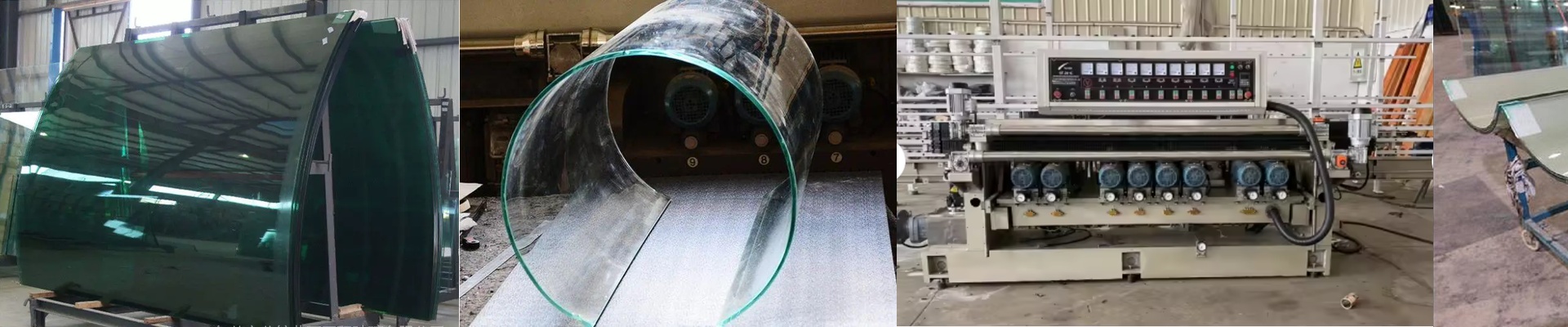
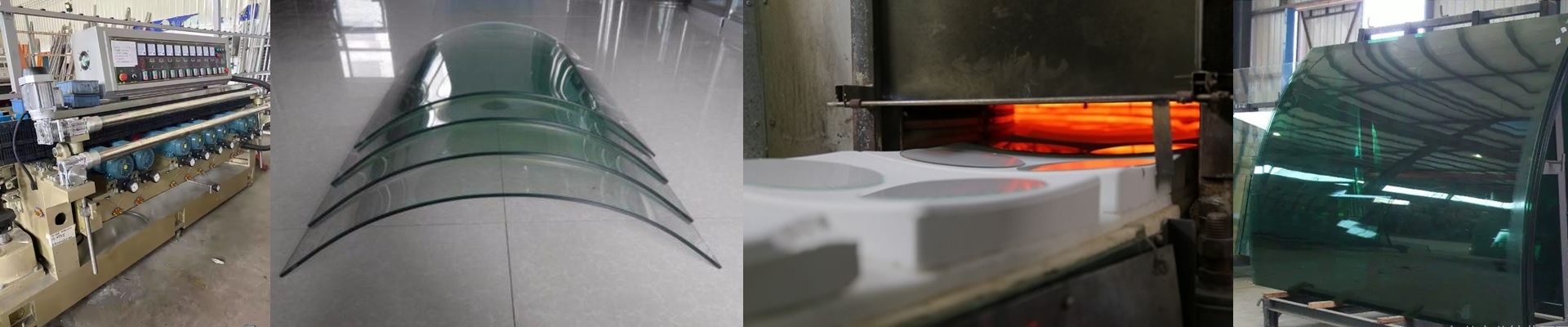
Getting Wine Glass Annealing Right with Ultra-Long IR Heaters
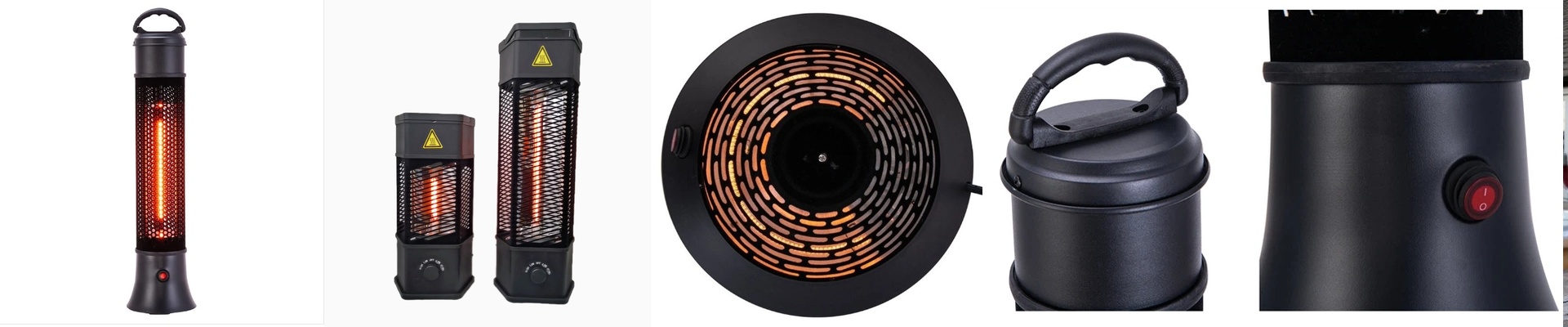
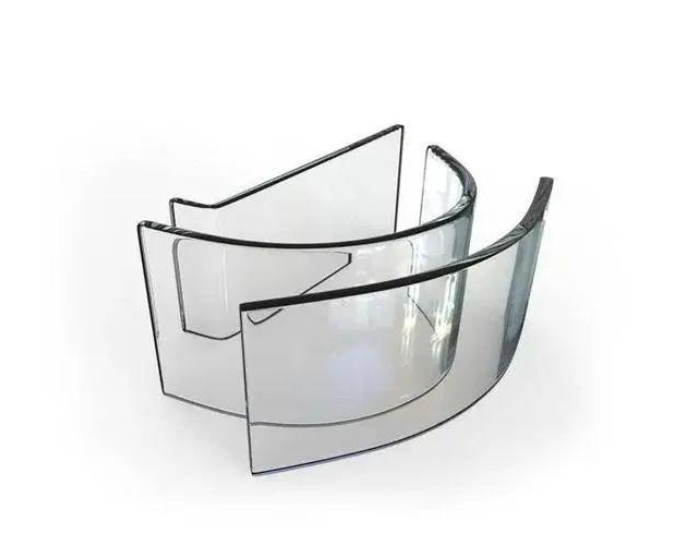
If you’ve ever worked with wine glass production, you know the struggle. You need a perfect temperature gradient to get rid of internal stress, or you’re just making expensive scrap. The problem is that standard infrared lamps usually can’t keep up once you move into those ultra-long tunnel kilns. That’s where we come in. We build custom continuous IR heating units—some over 2 meters long—so your heat stays steady and uniform across the entire conveyor. No surprises.
The struggle with length and power
Building a heater that’s over 2 meters isn’t as simple as just stretching out a filament. If you do that, you run into voltage drops and thermal expansion issues. It’s a mess. Instead, we carefully map out the wattage and voltage. We make sure the heat density is the same every single centimeter. To handle the stress, we use heavy-duty quartz tubing. It’s tough. It takes the high thermal load without bowing or warping. One tip: make sure your power supply is balanced across the whole array. You don’t want those annoying cold spots popping up in the middle of your tunnel.
What’s actually inside
We go with a continuous layout of heating elements. Why? Because modular setups leave gaps, and gaps mean uneven heating. We use high-purity quartz and specific alloys that “talk” to the glass, targeting the exact absorption bands needed. And since this is industrial gear, we ditched the flimsy connectors. We use reinforced terminals that can handle constant heating and cooling cycles without burning out. It’s built to last.
Making it work in your shop
The best part is that these long units give you more active radiation surface area, which actually shrinks the footprint of your heating zone. If you’re still running old gas-fired sections, these usually drop right in. But here’s the thing: pushing high wattage through a 2-meter unit creates a lot of ambient heat. A lot. You’ve got to make sure your tunnel chassis and cooling fans are up to the task. If you don’t manage the airflow, your control electronics will bake, and your filaments will fail way sooner than they should. Keep it cool, and the system will hum along perfectly.