

Keeping it Safe: Why Your Bathroom Heater Needs More Than Just a Basic Seal
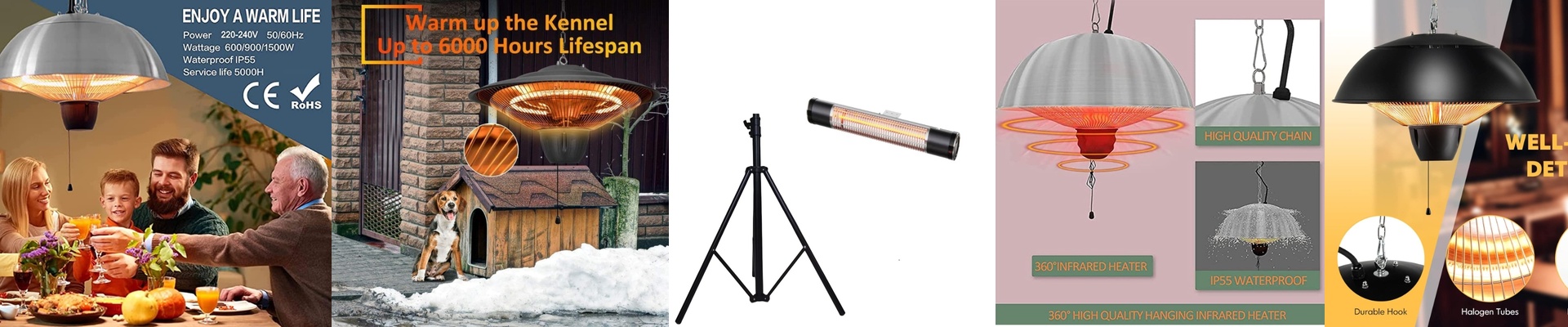
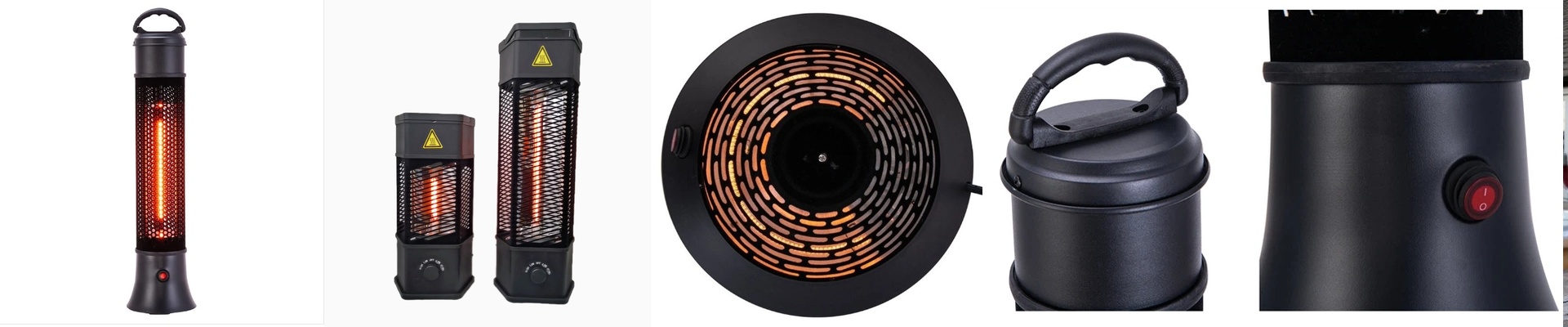
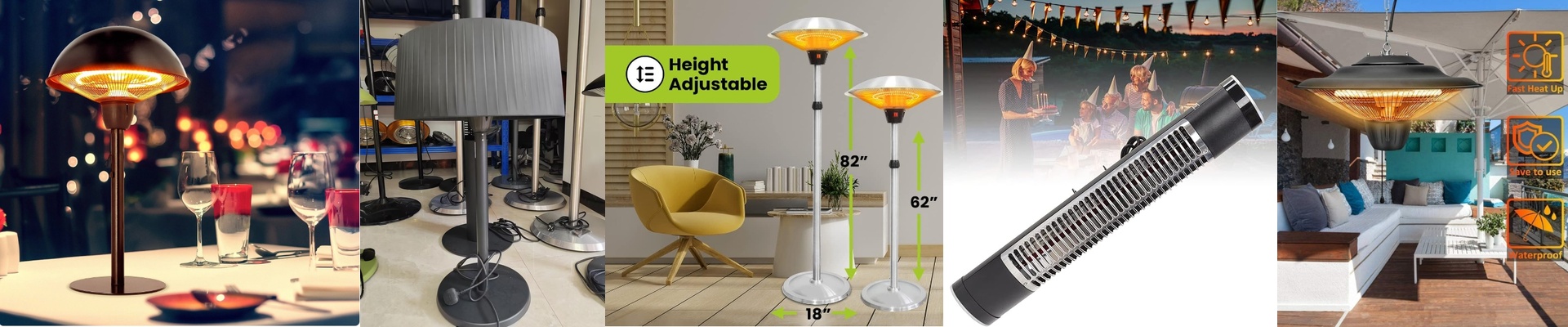
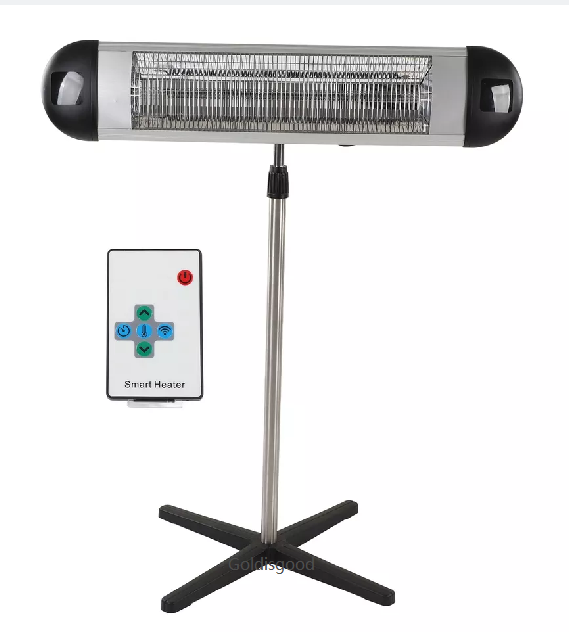
If you’re putting heating elements in a shower or bath area, you’re basically fighting a war against two things: steam and sudden temperature drops. Most standard infrared lamps just can’t hack it in there. They’ll burn out or break way too fast. That’s why we stick with IP55-rated housings and explosion-proof quartz tubing. It’s the only way to stop the headaches before they start.
The deal with “Explosion-Proof” Quartz
Imagine a quartz tube glowing at 800°C. Now imagine a single, cold drop of water hitting it. In a normal lamp, that’s a recipe for disaster. The glass shocks, cracks, and—pop—it’s gone. We use explosion-proof quartz because it can handle those wild temperature swings without shattering. It keeps its cool (well, its structure) even when the outside is drenched and the inside is scorching. It’s not about adding some fancy feature for the sake of it. It’s about making sure you don’t end up with glass shards in your bathtub.
Why IP55 actually matters
You’ll see “IP55” on the spec sheet, but here is what that actually means for you: the enclosure keeps out dust and stands up to water jets coming from any direction. We make sure the wiring junctions and lamp sockets are sealed tight. Why? Because steam loves to sneak into contacts and corrode them. Once moisture hits those terminals, you get arcing, which leads to a short circuit. The IP55 seal keeps the electricity dry, while the quartz handles the heat. Simple as that.
A few things to watch out for during install
These units are powerful and safe, but they aren’t magic. They run hot. Don’t try to mount them flush against cheap plastics or anything that could catch fire. You need to leave a decent air gap so the heat can move. If you cram them into a tight ceiling space without any ventilation, you’re just going to trip the thermal cutout. Just use high-temp leads, make sure your grounding is rock solid, and the system will handle the daily humidity without breaking a sweat.