

Stop Fighting Your Heaters: A Better Way to Handle IP65 Maintenance
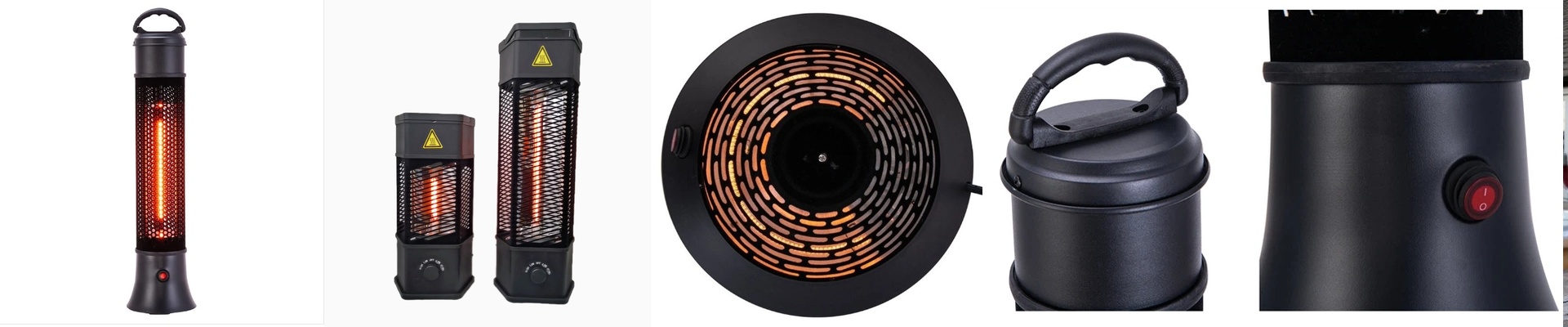
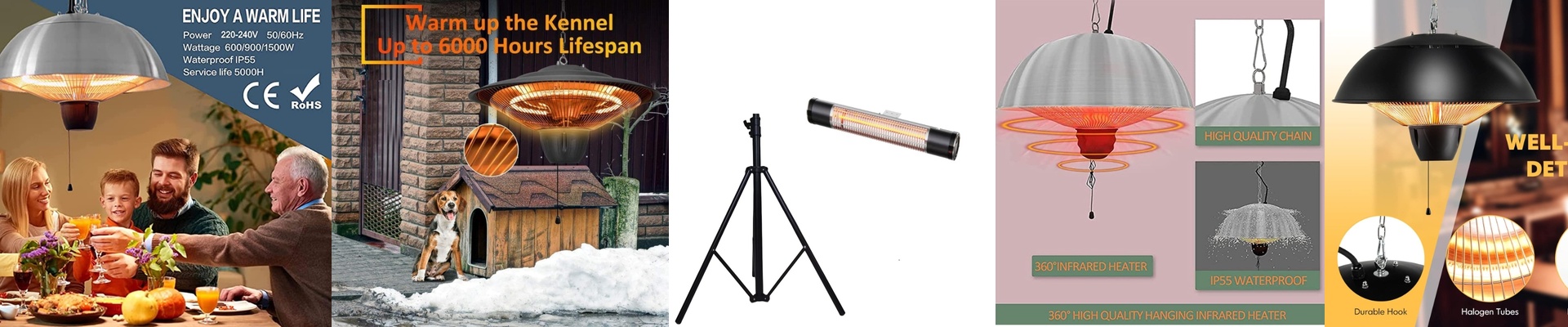
Most IP65 heaters are built like tanks. They’re great at keeping out dust and water, but they’re usually a total nightmare to actually fix. Think about it: a heating element finally burns out after five years of heavy use. Now you’re stuck. You have to tear down the entire chassis and risk breaking a waterproof seal that you probably can’t even replace. It’s frustrating.
The “Drop-In” Fix
We decided to do things differently. Instead of hard-wiring the tubes directly into the housing, we built a modular rail system. It’s simple. When an element goes, you just slide it out and snap a new one in. You don’t have to dismantle the whole enclosure, which means that primary weather seal stays exactly where it belongs: untouched.
The Waterproofing Struggle
Getting that IP65 rating isn’t free. You need tight gaskets and sealed cable entries, but that creates a new problem: heat gets trapped. Inside a sealed box, the temperature climbs way faster than it would in an open-frame heater. To stop the seals from cracking or degrading under all that stress, we switched to high-temp silicone. It handles the constant expanding and contracting without giving up.
Real Talk for the Shop Floor
If you’re managing a bunch of these units, you just want to spend less time with a wrench in your hand. With a modular setup, your techs don’t need to be master electricians to swap a tube. They pull the module, check the connectors for any carbon buildup, and slide the new one home. Done. Just a heads-up: don’t get sloppy. If you pinch a gasket because you’re rushing the job, your waterproof rating is gone. Do a quick visual check or a pressure test before you flip the power back on. Just to be safe.