
Getting Your Glass Bending Heat Right
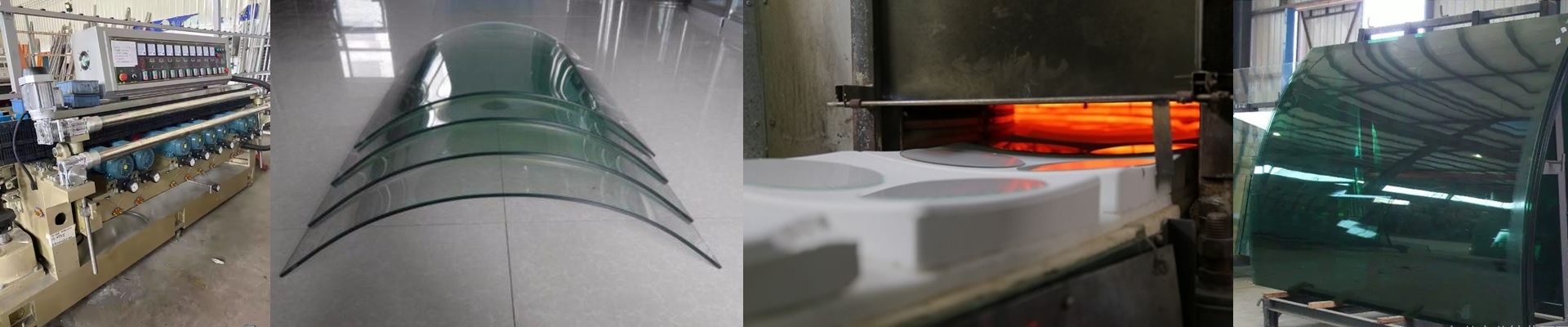
If you’ve spent any time bending glass, you know the struggle. One wrong hot spot or a bit of uneven heat, and you’ve got stress points or a piece of glass that just won’t shape. Most of the time, it comes down to the reflector. It’s the piece doing the heavy lifting, pushing that infrared energy back into the glass where it actually belongs.
No More Vendor Lock-In
Here is the thing: too many shops are stuck with proprietary lamp housings. You buy one brand, and suddenly you’re married to them because nothing else fits. It’s frustrating. We decided to fix that. We made our reflectors work with just about everything. Whether you’re dealing with spiral heads or those weirdly shaped connectors, our housings just slide right in. **No rewiring. No hacking away at your chassis. No expensive custom fabrication.**You just swap them out and get back to work.
Heat Where You Want It (And Not Where You Don’t)
The goal is simple: stop wasting heat at the edges. We use coatings that kick the IR radiation forward. This means the glass gets the heat, and your machine frame doesn’t soak it up. Plus, we know that every minute your machine is down is money lost. We standardized the mounting points so you aren’t fighting with the alignment for an hour. You pull the old unit, slide the new one in, and you’re done. It’s fast.
A Few Real-World Warnings
Now, there’s a catch. When you use a high-reflectivity surface, you’re putting a lot more heat density on the glass. That’s great for speeding up your cycles, but it puts a lot of pressure on your cooling fans. Check your airflow. If your cooling system can’t keep up, the housing itself can warp over time. We build these things to be tough, but physics always wins—that heat has to go somewhere. One last tip: keep your interfaces clean and your connections tight. Most of the failures we see in high-wattage lamps come from arcing at the terminals. A little bit of housekeeping goes a long way in keeping your gear running.