
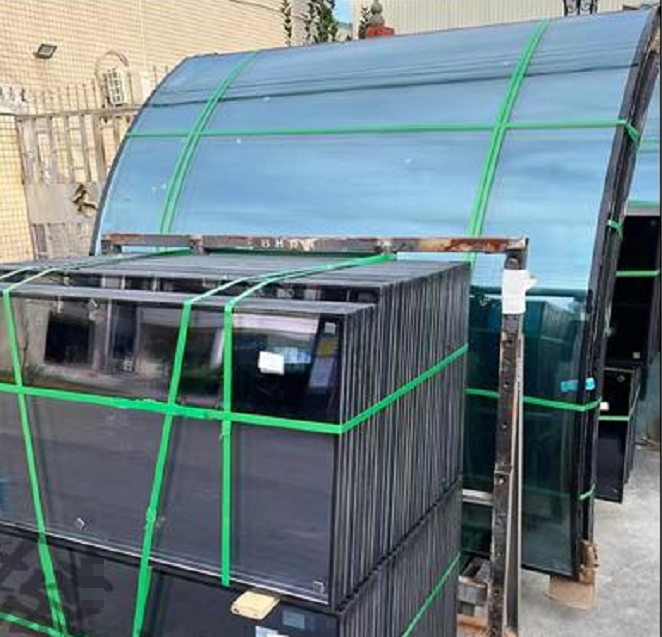
Stop the Chipping: Why We Preheat Our Glass
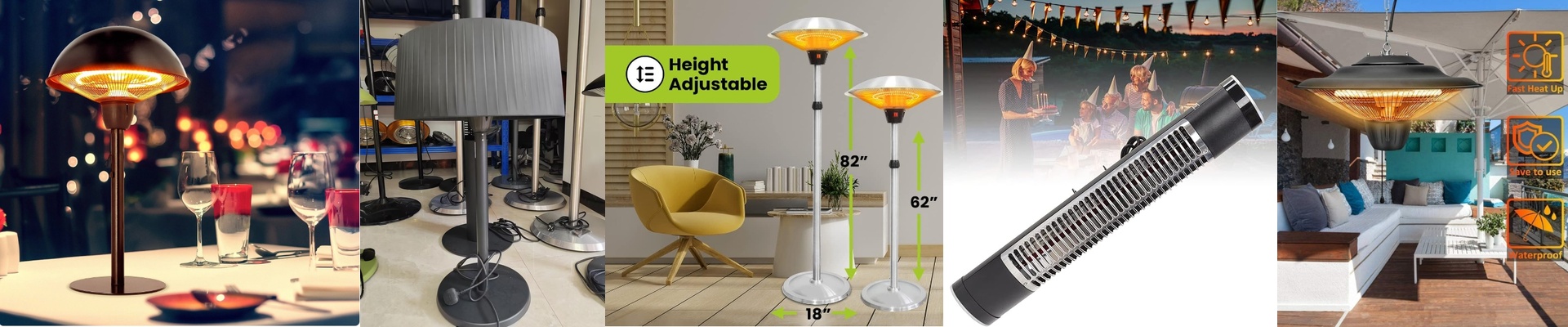
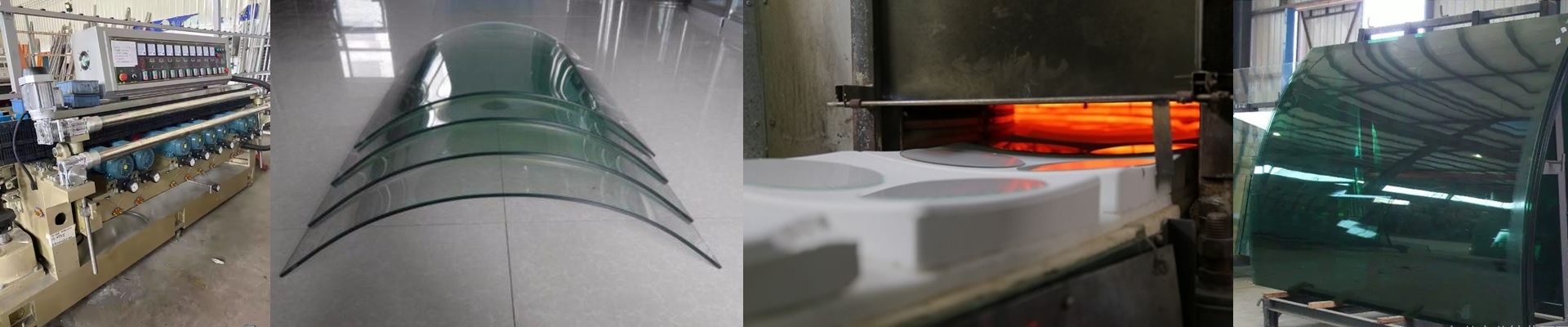
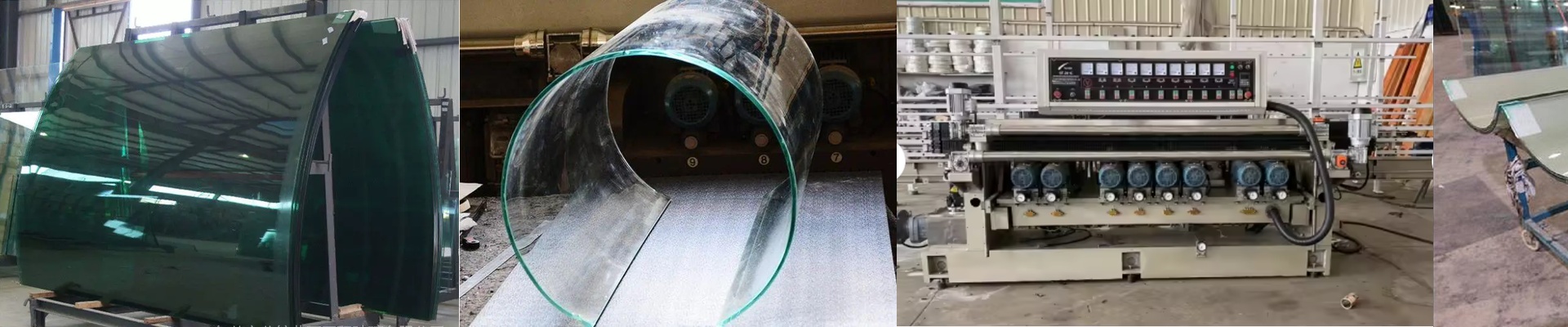
Glass is a pain to work with because it’s so brittle. The second you hit it with a cutting wheel, you’re basically creating a tiny explosion of stress in one spot. If that glass is cold, it doesn’t handle the pressure well. You end up with those annoying chips or “blowouts” along the edges that ruin a perfectly good piece. That’s why we use infrared (IR) preheating.
How it actually works
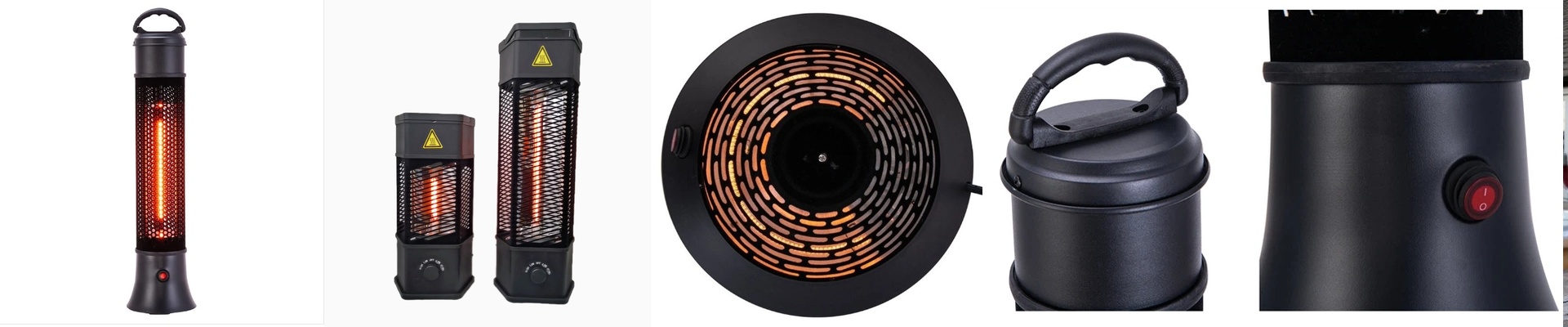
Think of it this way: IR lamps get the molecules in the glass moving. By warming up the surface quickly, the material relaxes. The internal stress drops, and when you finally make that cut, the crack travels in a straight, clean line. It’s a satisfying feeling. No jagged edges, no guesswork. And the best part? Your scrap pile gets a whole lot smaller.
Getting the heat right
Now, you can’t just blast the glass with heat and hope for the best. If the middle is cold and the edges are scorching, the glass will just snap from thermal shock before it even reaches the cutter. It’s all about the balance. We spend a lot of time tweaking the lamp distance and power to make sure the heat soaks in evenly. We stick with shortwave IR. It hits the surface fast. You don’t have to sit around waiting for a massive slab of glass to warm up; it just happens.
The messy reality of the shop floor
Setting this up isn’t just “plug and play.” It’s a bit of a balancing act. Mount the lamps too close? You get hot spots. Too far? You lose your efficiency and your production line crawls to a stop. And let’s be real—glass shops are tough environments. They’re loud, they vibrate, and they’re dusty. Those IR lamps are fragile, so you’ve got to secure your fixtures or they’ll shake loose. A few other things to watch out for: Keep an eye on your power supply. If it flickers or spikes, you’ll burn through your elements way too fast. Also, don’t skimp on the cooling fans for the lamp housings. If those things overheat, your wiring is toast.