Getting Infrared Heating Right for Silk-Screened Train Glass
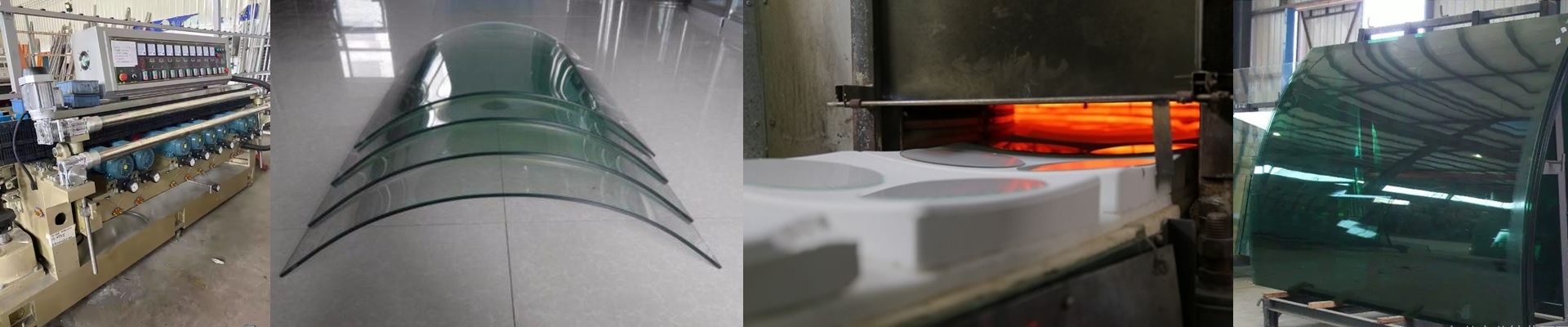
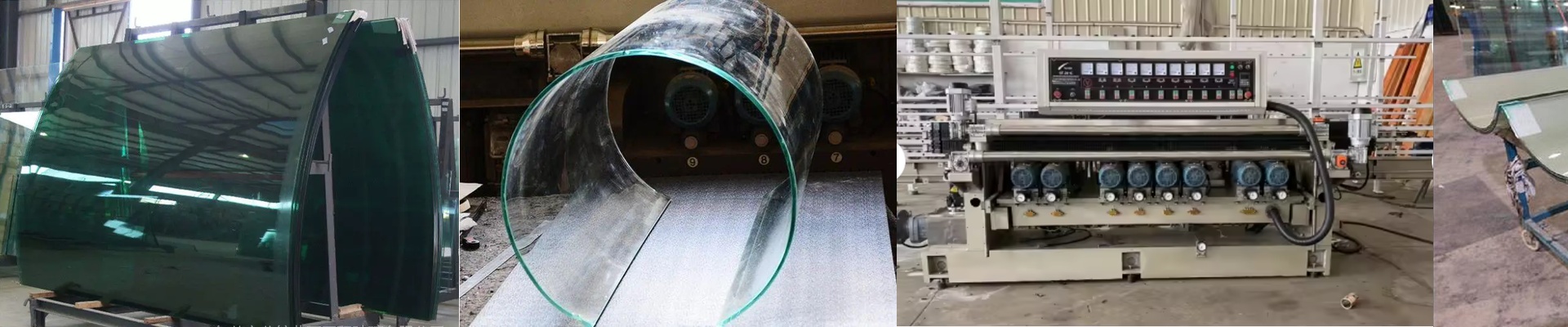
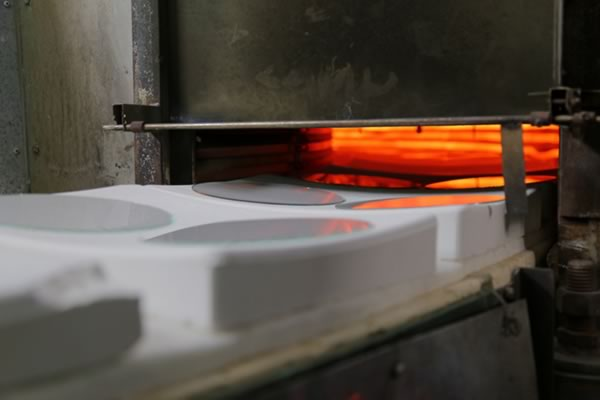
Here is the struggle when you’re tempering train windows with silk-screening: you’re fighting a war with heat. You need it hot enough to stress the glass so it’s safe, but if you go overboard, you’ll fry the ink. One wrong move and your crisp patterns start bleeding or burning, and suddenly you’ve got a pile of scrap. The trick is using precision-tuned infrared (IR) lamps to keep that heat exactly where it needs to be. The battle for pattern clarity You want the glass to hit its transition temperature, but you have to keep the surface ink from melting. That’s why we go with short-wave IR lamps. They dive deeper into the glass and work faster than the long-wave stuff. It lets the core of the glass get hot while the surface stays safe. But be careful. If you crank the wattage and forget to speed up the conveyor, the ink will blister. It’s a tiny window of error. The gear and the heat load We usually stick with high-density quartz tubes. They ramp up fast, so you aren’t standing around waiting for the system to warm up. To make sure a massive train window heats up evenly, we overlap the lamp footprints. If you leave “cold spots,” the stress gets uneven. And uneven stress usually means the glass snaps during the quench phase. Not a great way to start the morning. Speed vs. Strength: The big trade-off Here’s the thing: you can’t have it all. You can’t max out your speed and keep perfect edges at the same time. If you push the lamps too hard to move the line faster, you’ll get “ghosting” on the edges of your screen. It’s all about the balance between lamp voltage and belt speed. And a quick tip? If you’re running a high-wattage setup, make sure your cooling blowers are actually up to the task. You don’t want your oven chassis overheating. Wire it for stability. Raw power is great, but only if the machine can handle it.